

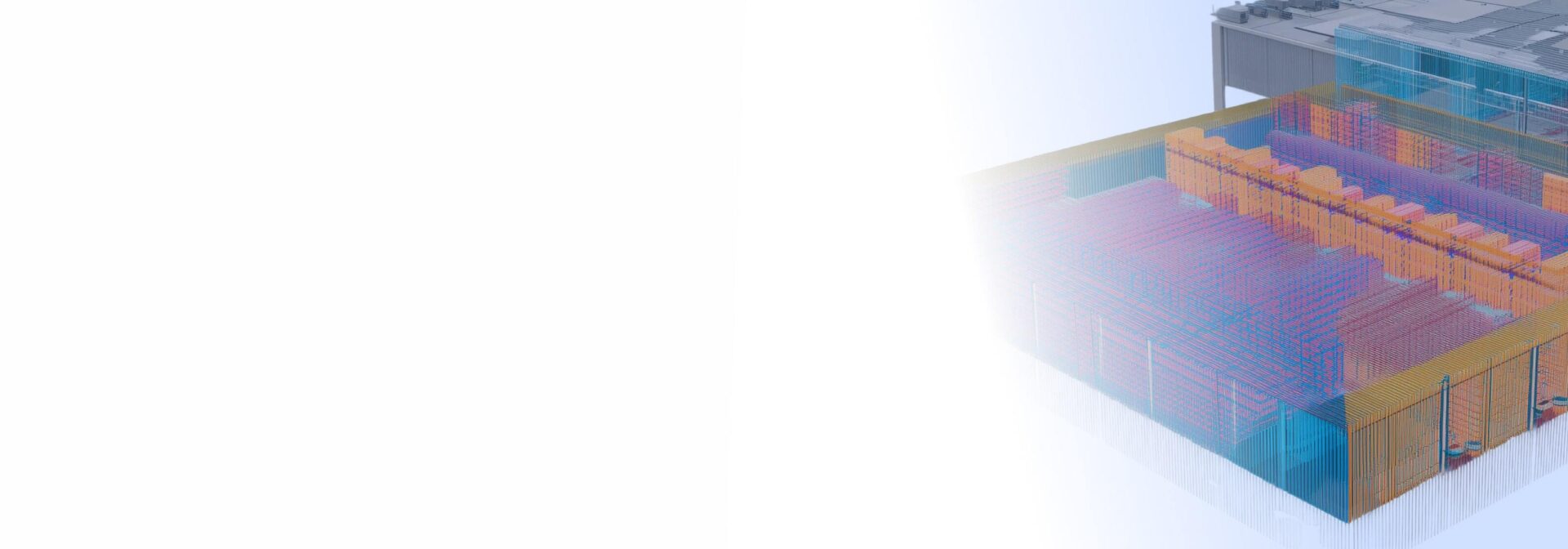
Custom Digital Twin Development Services
Yalantis provides end-to-end Digital Twin development, constructing high-fidelity, data-rich virtual models of your entire operation. Turn raw data into a living simulation, providing data-backed certainty for your most critical decisions.








Challenges Digital Twin Development Solves
-

High-stakes capital decisions based on guesswork
Instead of committing millions to a new facility or robotic automation system based on static blueprints, a Digital Twin validates the vendor’s ROI. We model the system’s true impact on your entire workflow, preventing underutilized assets and ensuring your investment delivers the promised throughput.
-
Hidden operational bottlenecks that kill efficiency
Forget trying to find the root cause of a peak season throughput drop with spreadsheets. Our Digital Twin simulates your entire process as a whole, using real-world data to expose the true constraints, whether it’s a congested warehouse aisle, an inefficient pick path, or insufficient packing stations, allowing you to fix the right problem.
-
Inability to test new processes without disrupting operations
You believe a new slotting strategy or manufacturing layout could boost efficiency, but the only way to test it is by halting operations. A Digital Twin allows you to model and compare dozens of “what-if” scenarios in a virtual environment, identifying the mathematically optimal process with zero operational risk.
-
Data silos that create a fragmented view of operations
Your WMS, ERP, MES, and PLC data are trapped in separate systems, making it impossible to see how they truly interact. A Digital Twin integrates and harmonizes these disparate data sources (including WCS, RTLS, and IoT sensors) into a single, living model that shows how your systems actually perform together in real-time.
-
Inability to prepare for peak season volatility
Instead of hoping your operation survives Black Friday, our Digital Twin stress-tests your entire facility against projected peak volumes. We find the exact breaking point before it happens, allowing you to build a data-driven plan to guarantee throughput.
-
Rising labor costs and inefficient workflow design
Forget relying on a stopwatch to optimize workflows. Our Digital Twin models the exact travel paths and work queues of your staff and equipment. We test new layouts or picking strategies to find the design that minimizes wasted motion, reduces worker frustration, and maximizes the productivity of your existing team.

Yalantis Digital Twin Development Services


End-to-End Digital Twin Development


Digital Twin Development with AWS IoT TwinMaker


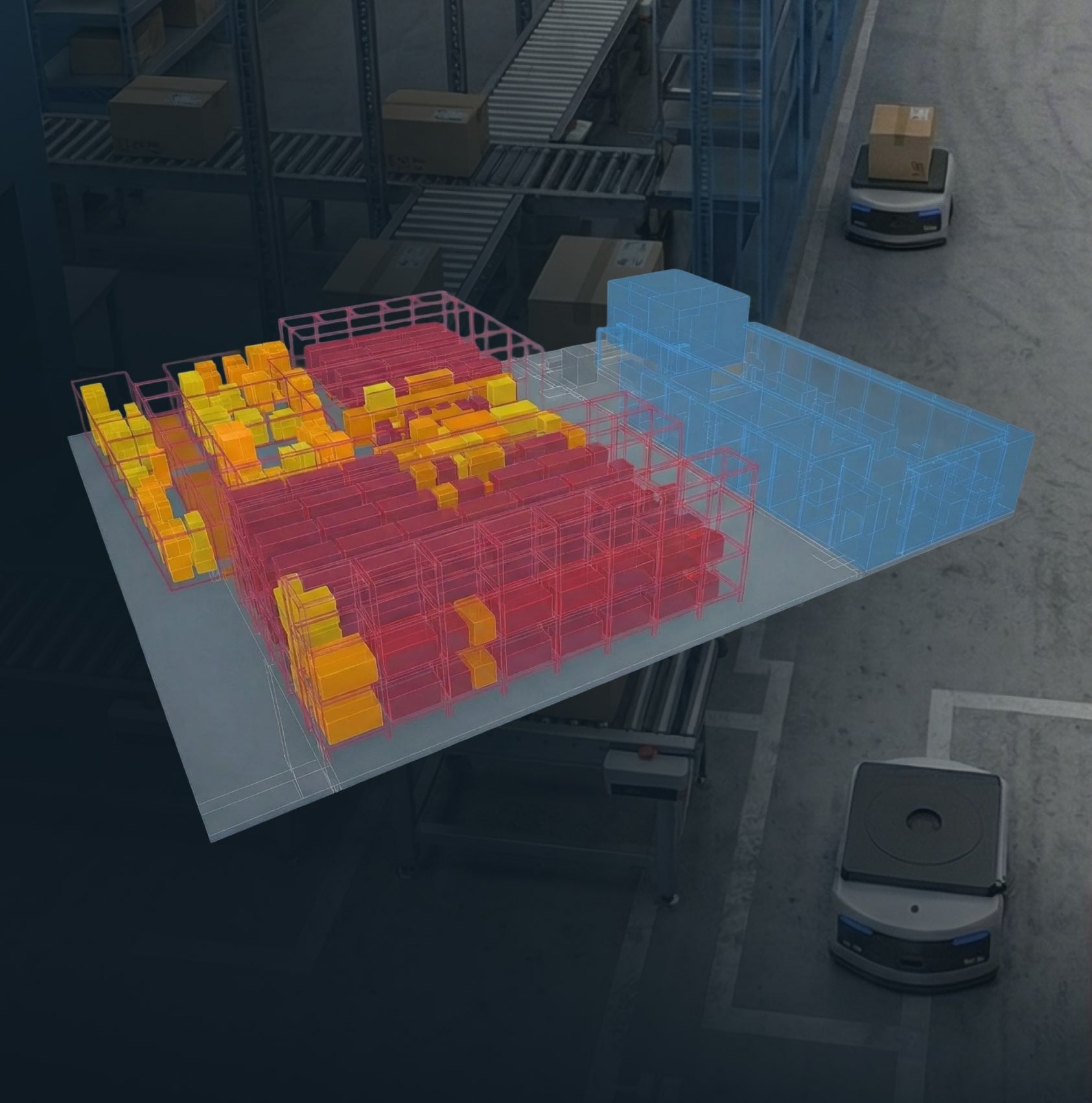
Facility Modelling and Optimization with Digital Twin


Supply Chain Network Digital Twin Development


Industrial Machinery & Fleet Digital Twin Development
Yalantis Digital Twin Development Process
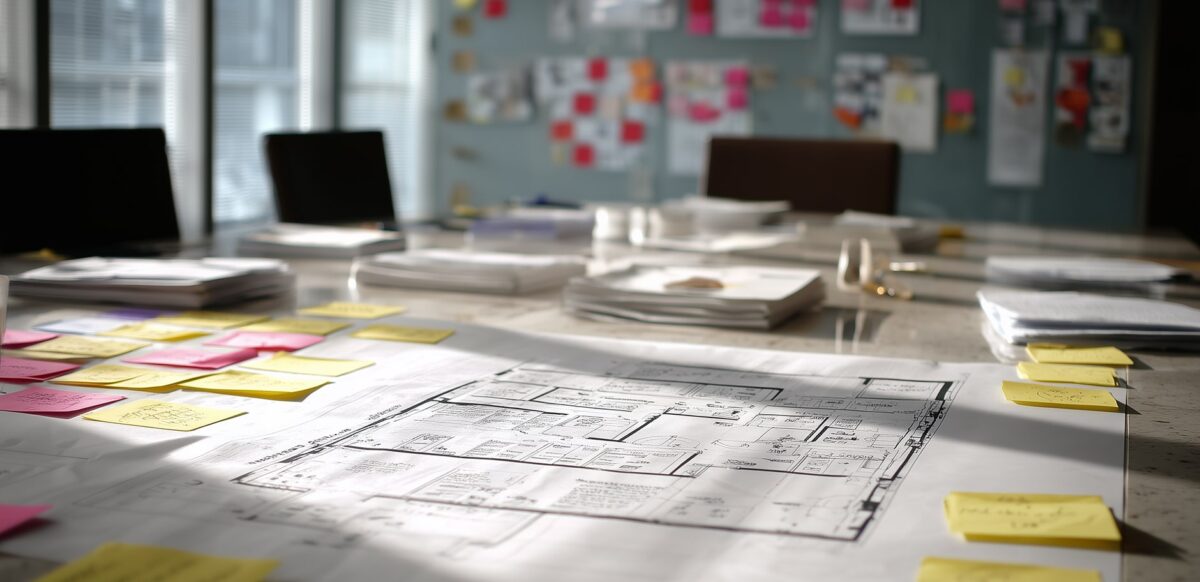
Facility/Object Discovery
Our process begins with a deep audit of your data landscape and interviews with key stakeholders. A clearly defined pilot scope and a robust business case for the twin emerge from this phase.
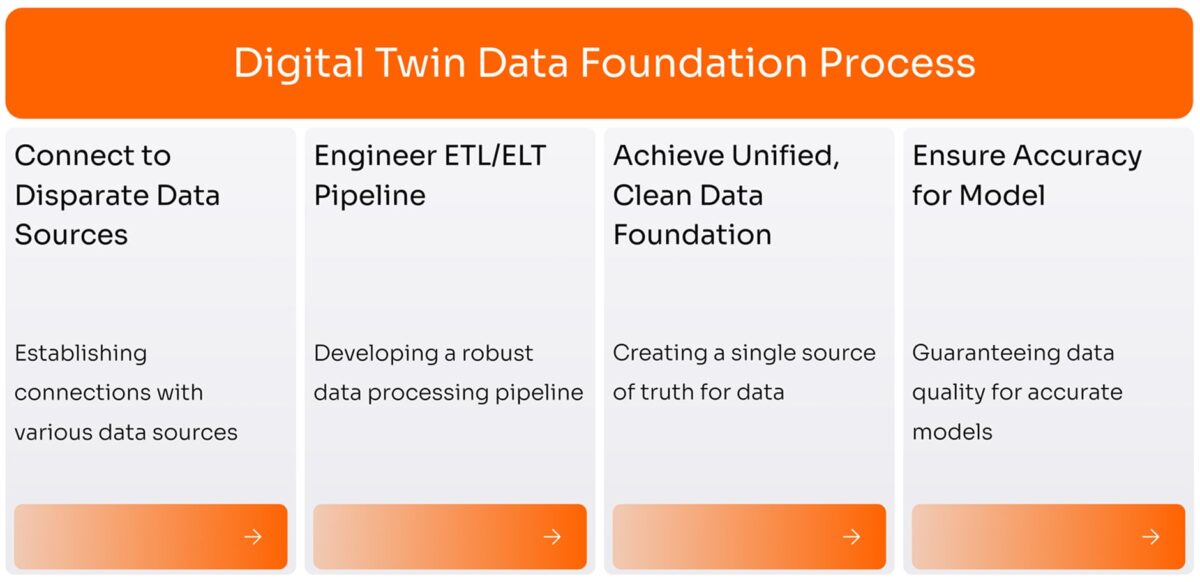
Data Integration
Robust ETL/ELT pipelines are engineered to connect disparate data sources. The outcome is a unified, clean data foundation, which is essential for an accurate model.
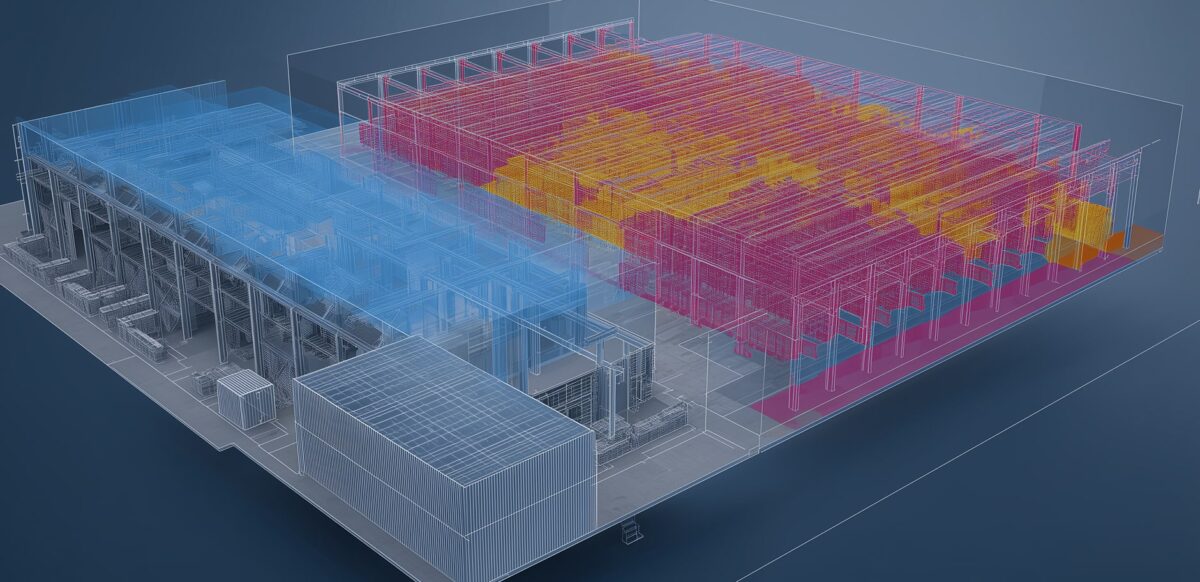
Model Development
An agent-based model is constructed to mirror your real-world operational logic and constraints. Creating this core simulation engine allows for comprehensive testing and future validation.
Digital Twin Validation
Your own historical data is run through the simulation to precisely calibrate and match past performance. Proving the model’s accuracy against reality is how we build complete trust in its predictive results.
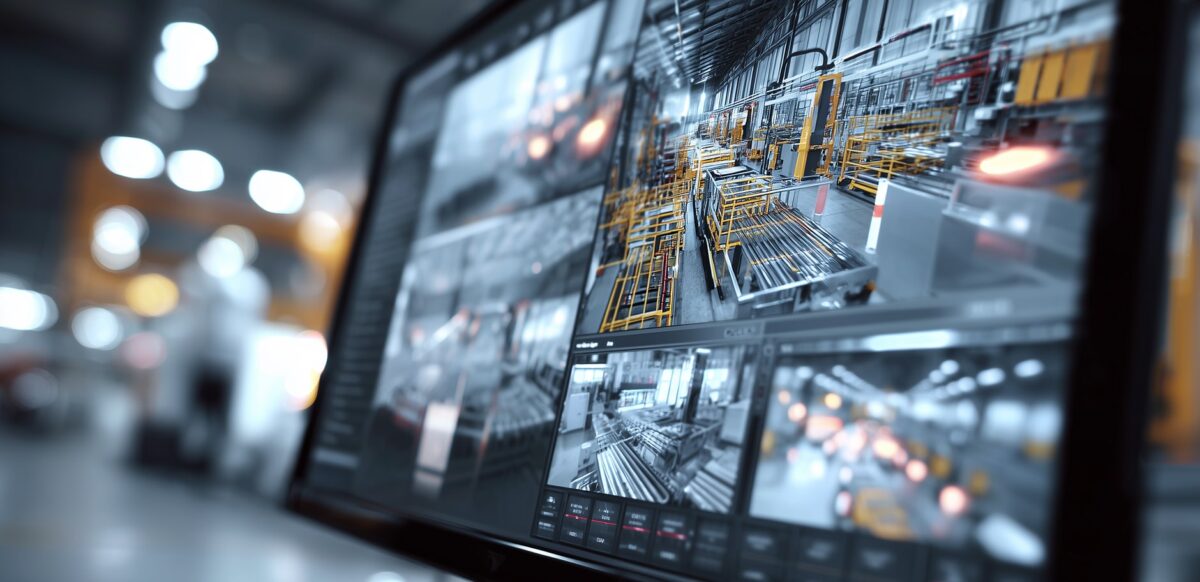
Digital Twin Simulation
Complex “what-if” scenarios, such as new layouts or automation, are tested virtually. Data-backed certainty is the key deliverable, allowing you to de-risk multi-million dollar investments.
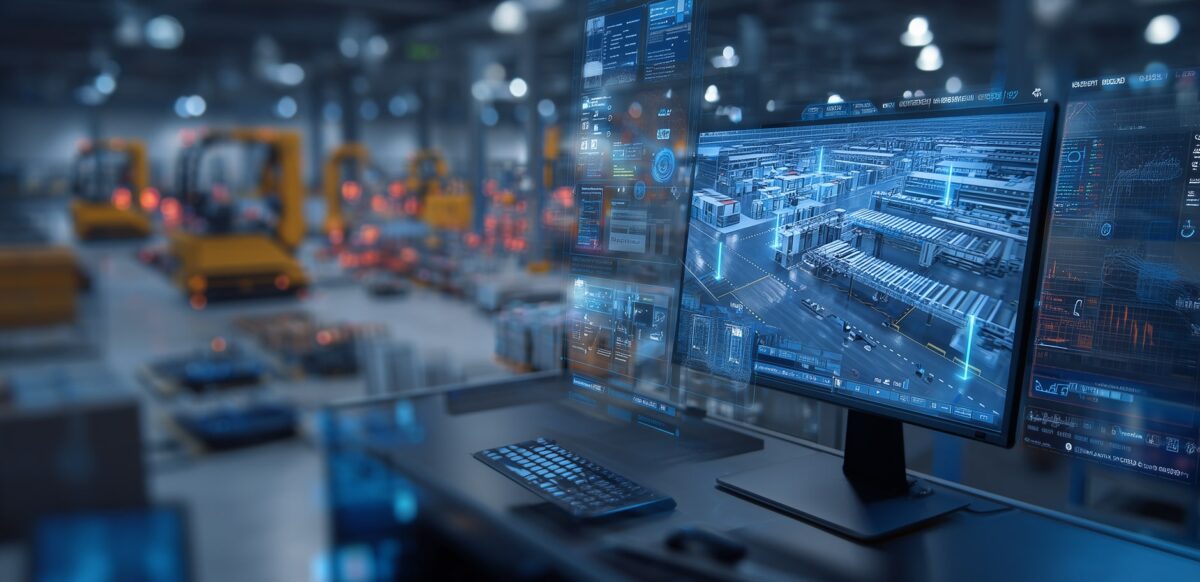
Integration
Validated simulation outputs and optimal parameters are fed back into your live WMS or ERP. Operationalizing these new insights is the final step to driving tangible, real-world efficiency gains.
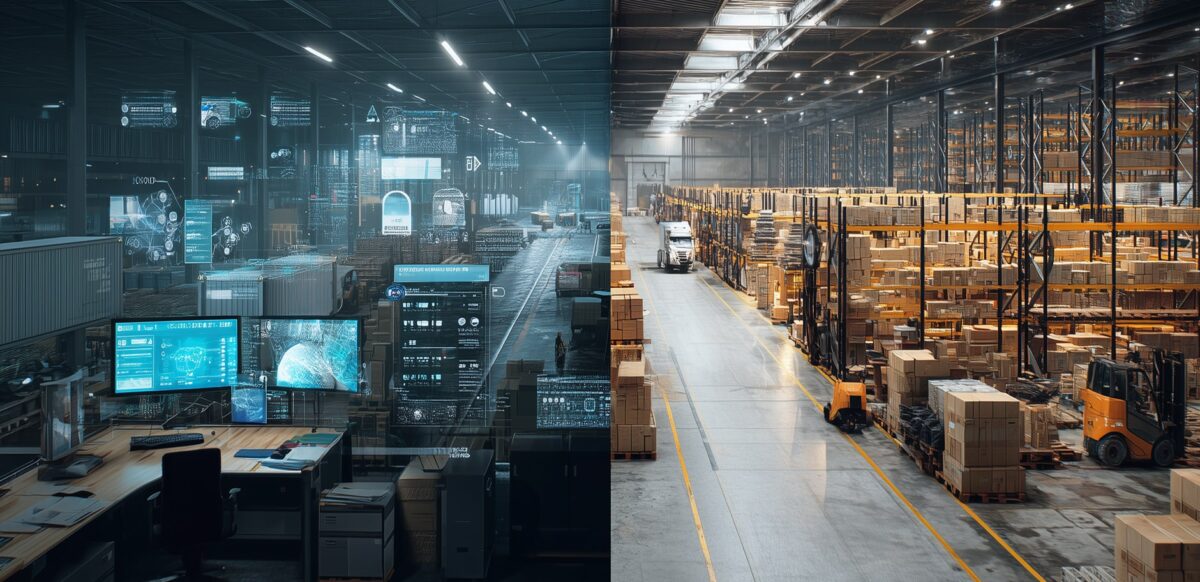
Flexible Digital Twin Solutions for Your Industry
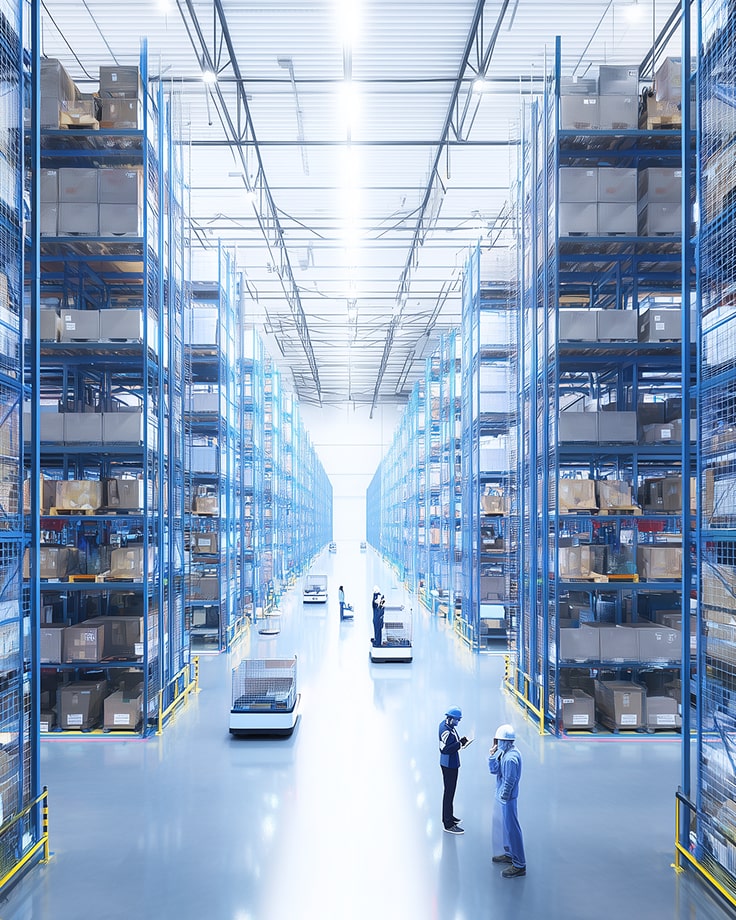
Logistics & Supply Chain
De-risk warehouse automation, optimize slotting and pick-paths, and stress-test your facility for peak season readiness to meet SLAs.
Manufacturing & Automotive
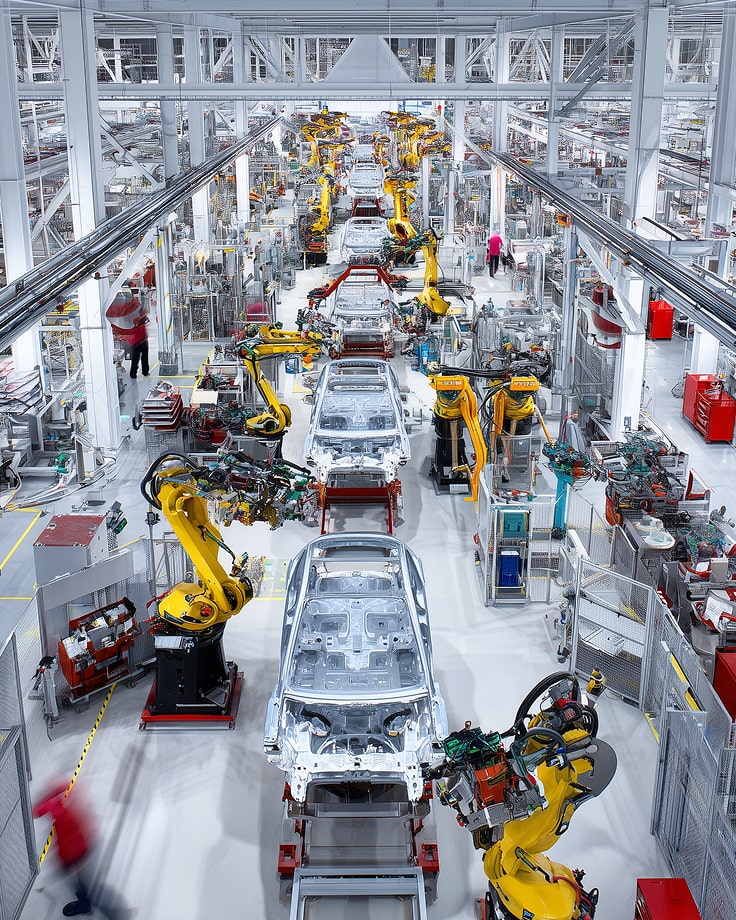
Model your production line to identify bottlenecks, test robotic cell integrations, and predict the impact of supply chain disruptions.

Urban Planning & Infrastructure
Simulate traffic flow, pedestrian movement, and public transit schedules to optimize urban design and plan for emergencies.

Energy & Utilities
Create a model of a power grid, wind farm, or processing plant to optimize energy distribution and improve operational safety.
Healthcare & Life Sciences
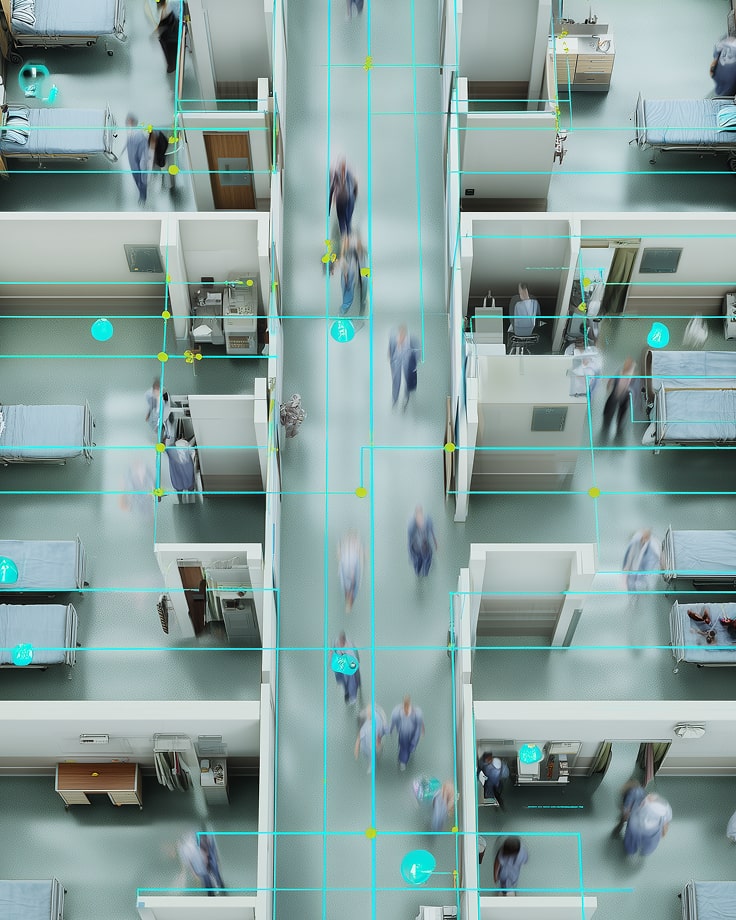
Simulate patient flow to reduce wait times, optimize room allocation, or model the layout of a pharmaceutical warehouse.
Case studies



Benefits of Developing a Digital Twin with Yalantis
-
De-Risk Multi-Million Dollar Capital Investments
Make decisions on new facilities and automation with data-backed certainty, eliminating guesswork and validating vendor claims before you sign the check.
-
Maximize Throughput and Efficiency
Identify and eliminate the hidden bottlenecks in your current processes to increase throughput by 15-30% with the same equipment and headcount.
-
Optimize Your Existing Footprint
Use intelligent layout and process simulation to unlock 10-20% more capacity from your existing footprint, delaying the need for costly new construction.
-
Reduce Operational Costs
Optimize worker, vehicle, and equipment travel paths to lower labor costs, reduce fuel and energy consumption, and minimize wear and tear on machinery.
-
Build Operational Resilience
Test your operation’s response to any disruption, from peak season surges to supply chain shocks, in a safe virtual environment to build a more resilient and agile business.
Technologies we work with
-

Rust
-
C
-
C++
-
Kotlin
-
Bootloader
-
Linux Kernel
-
AWS IoT
-
Arduino
-
ESP32
-
STM32
-
NRF52
-
Zephyr
-
LoRaWAN
-
MQTT


Compliance and security support
Security for your supply chain
-

ISO 28000
-
DTLF
-
CISA / NIST


RFID-powered Logistics
-
GS1 EPC/RFID
-
ISO 17363–17365


Testimonials from our clients
The thing that has been unique in my experience working with Yalantis is that they aren’t a factory that you send over some requirements and they develop exactly to those requirements—whether good, bad, or indifferent—and then ship you back some products. It’s a much more interactive process, and the team at Yalantis, from the business analysts to developers, are very good at saying: “There might be a better way of doing this—why don’t you take a look at this?” They bring a really intelligent and dynamic approach to the engagement that you don’t get sometimes with other vendors.
“What fascinated me the most is how invested the Yalantis development team is, and how they often exceeded expectations in what we were trying to accomplish in terms of timeframes.”

“They have very good organization and project management expertise. We’re not just getting the developers, we’re getting a whole support structure. Also, Yalantis cares about their employee satisfaction. And with satisfied employees, we get much better output.”
“What triggered us was their remote collaboration practices as well as their experience in the IoT industry. Their strong technical experience helped us scale our platform and deliver great performance to our customers.”
“One of the biggest values they bring to the table is the way of thinking critically during the whole development process. They’re not just building software, they’re effectively solving your business problem.”
“Yalantis has been a great fit for us because of their experience, responsiveness, value, and time to market. From the very start, they’ve been able to staff an effective development team in no time and perform as expected.”
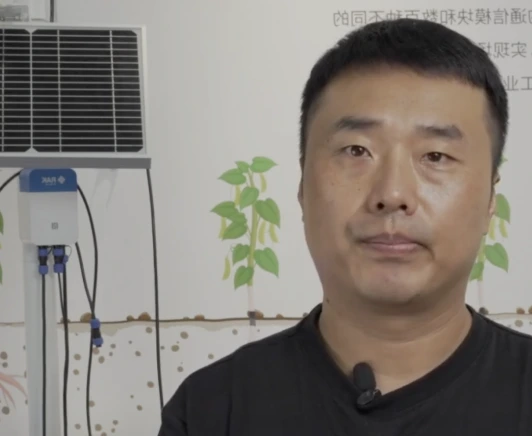
“Established development flows and good communication skills made collaboration with Yalantis very smooth. We appreciate their professionalism and dedication. If you are looking for a solid technical partner and a well-processed software outsourcing company for your project, I’d recommend Yalantis.”

“Working with Yalantis, you get their breadth of experience building hundreds of projects. Their expertise and knowledge were second to none. And that makes the difference between a good product and a great product.”
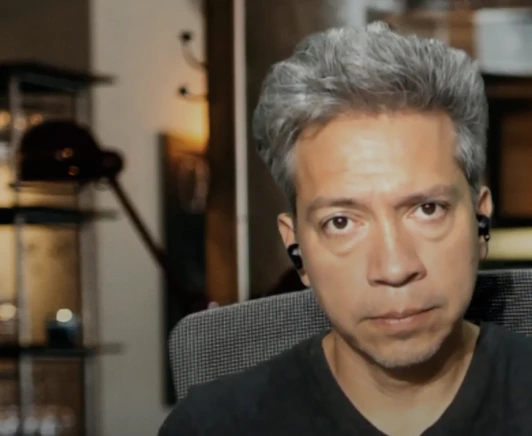
“With the product built by Yalantis, we have a lot of possibilities for growth. They elaborated a great user experience for our operators to work more efficiently and properly deal with troubleshooting. And the architecture of the product is scalable and ready for the future.”
Predictive Maintenance ServicesInsights
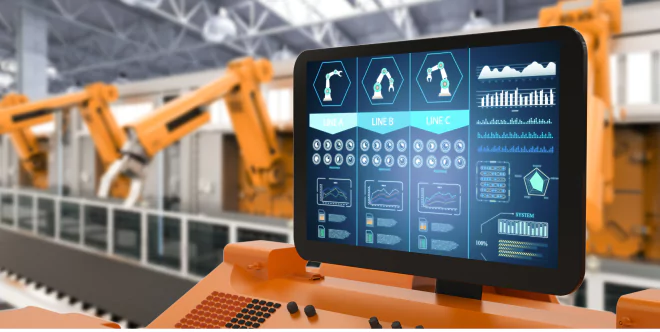
Digital twin solutions: What forward-thinking executives need to know
Digital twins are changing the game for businesses, from predicting equipment failures to optimizing store layouts. See if this tech is right for you.
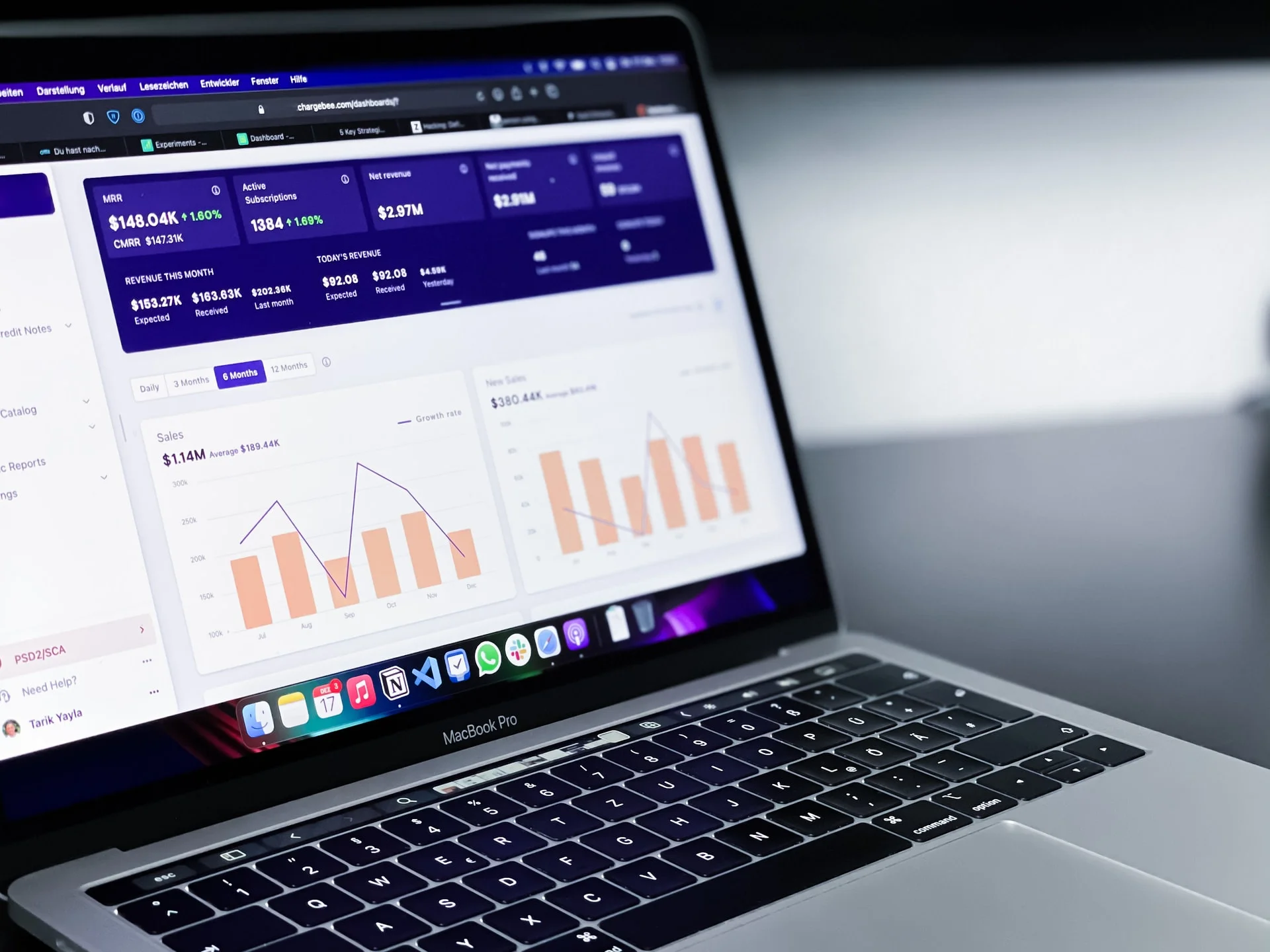
Visualizing supply chain data with logistics dashboards
Learn about different supply chain analytics dashboards and supply chain visibility tools that can help you resolve issues that stop your company from growing.

What to consider to build a successful digital transformation roadmap for your logistics company
Use practical insights from this article to prepare for building a digital transformation roadmap that can help your supply chain business grow.
FAQ
How is a digital twin different from a 3D model or a basic simulation?
A 3D model is just a static drawing. A basic simulation might model one part of a process (like a conveyor) in isolation. A Digital Twin is a living, breathing, holistic model of your entire operation. It’s built from your real-world data (WMS, IoT, etc.), understands all the interdependencies, and is used to test complex, system-wide “what-if” questions. It doesn’t just show you what will happen, but why.
What data do we need to get started with digital twins?
Our service is designed to work with the data you already have. The process begins with a data audit, but we typically integrate data from your core systems: Warehouse Management System (WMS) for inventory and order profiles, Warehouse Control System (WCS) for automation logic, and optional data from Real-Time Location Systems (RTLS) or Labor Management Systems (LMS) if available. We are experts at harmonizing these disparate sources.
How do we know the digital twin simulation is accurate?
This is the most critical step. We mitigate this risk with a mandatory Validation & Calibration Phase. We build the initial model and run it using your historical operational data (e.g., last year’s peak season). We then fine-tune the model’s parameters until its output (simulated throughput, order cycle times, etc.) matches your actual historical performance within a statistically significant margin. We don’t proceed with “what-if” analysis until you have signed off on the model’s accuracy.
Can we start with a pilot digital twin project?
Absolutely. In fact, we recommend it. We offer a fixed-scope “Pilot Simulation & Validation” engagement. We’ll build a Digital Twin of a single, specific process (like your outbound pick/pack/ship area), validate it against historical data, and use it to answer one or two high-impact “what-if” questions. This proves the value and builds a data-driven business case for a full-scale deployment.
What technology do you use to build the digital twin simulation engine?
Our simulation engines are built using advanced agent-based modeling (ABM) and discrete-event simulation (DES) technologies. This allows every entity, whether it’s a worker, a forklift, an AMR, or an individual order, to act as an independent “agent” with its own logic and behaviors. This bottom-up approach is the only way to accurately model the complex, emergent behaviors and hidden bottlenecks of a real-world operation.
Contact us

got it!
Keep an eye on your inbox. We’ll be in touch shortly
Meanwhile, you can explore our hottest case studies and read
client feedback on Clutch.


Nick Orlov
IoT advisor
How to get started with IoT development
-
Get on a call with our Internet of Things product design experts.
-
Tell us about your current challenges and ideas.
-
We’ll prepare a detailed estimate and a business offer.
-
If everything works for you, we start achieving your goals!