


Yalantis delivers full-cycle IoT development services across hardware, firmware, embedded software, and cloud. As an ISO 13485, IEC 62443, and ISO 27001 certified IoT software development company, we build connected products that ship faster and pass audits the first time.
End-to-End IoT Development Services

18+
Years in IoT
400+
Engineers
4
Year average
client retention
What our IoT development services cover
IoT Product Development
We help you bring connected products from idea to market with end-to-end development across every layer.
- Cross-functional teams covering hardware, firmware, cloud, and mobile
- Scalable architectures tailored to your business goals
- Pilot, field testing, and production rollout support

IoT Software Development
Our IoT software development services include cloud platforms, device management, and system integrations.
- Cloud backends for device messaging and data pipelines
- Device management, provisioning, and OTA update services
- APIs and integration with your systems (ERP/CRM/MES)
- Reliability and observability built in, with cost control from day one

IoT Consulting
As a trusted IoT development company, we provide consulting backed by deep IoT expertise.
- Strategy and roadmap aligned to business goals
- Audit of current stack and legacy systems
- Risk and security review, including compliance assessment
- Vendor and component selection with TCO analysis

IoT Security
We build complete IoT solutions with security measures at every layer, from devices to cloud and applications.
- Threat modeling across devices and cloud infrastructure
- Identity, encryption, and key management
- Secure device onboarding and lifecycle management
- Penetration testing and hardening

IoT Compliance & Certification
We simplify market entry by guiding your product through complex regulatory landscapes, building IoT services that pass audits on the first attempt.
- IEC 62443, ISO 13485, and ISO 27001 compliant foundations from the start
- Simulating failure scenarios and attacks to validate system readiness
- Real-time dashboards for continuous regulatory adherence
We deliver services for IoT that include hardware design and prototyping, with full environmental testing.
- Custom PCB design and prototyping in our Warsaw R&D lab
- Component selection and BOM optimization
- Environmental and reliability testing
We design custom software for IoT devices, with a focus on reliable performance and seamless connectivity.
- Development of scalable software for embedded systems
- Expertise in real-time OS and low-level programming
- Wireless protocols support: BLE, Wi-Fi, Zigbee, Thread, LoRaWAN, cellular
We design secure, optimized firmware to extend device life and improve stability.
- Firmware architecture, drivers, and HAL development
- Secure boot and firmware signing
- OTA updates with rollback
- Power optimization and memory tuning
We use Rust to build safer and more reliable custom IoT software development solutions.
- 5+ years delivering in Rust
- Migration paths from C/C++ with mixed-code support
- Training and code reviews for your team
- Performance tuning and memory safety goals
Explore our cases
Benefits of full-cycle IoT software development services

Unified architecture
Hardware, firmware, and cloud engineers collaborate from the discovery phase, so interface contracts and data models are defined before any code is written.
End-to-end connected systems
We deliver everything from architecture design to deployment and long-term support, giving you a single point of accountability across every layer.
Built-in compliance
Regulatory requirements (FDA, CE, FCC, HIPAA, IEC 62443) are addressed incrementally throughout the build, so you avoid the bottleneck of late-stage certification prep.
Cost-aware engineering
Hardware BOM costs and cloud resource consumption are optimized in parallel with firmware efficiency. Your solution makes business sense at mass scale because profitability is an engineering constraint from day one. We run unit economics modeling during the IoT architecture phase so you understand per-device costs before committing to production.
Discuss your IoT project with our engineering team
Tell us about your product goals and we will outline the technical approach, timeline, and team structure.
IoT development success stories
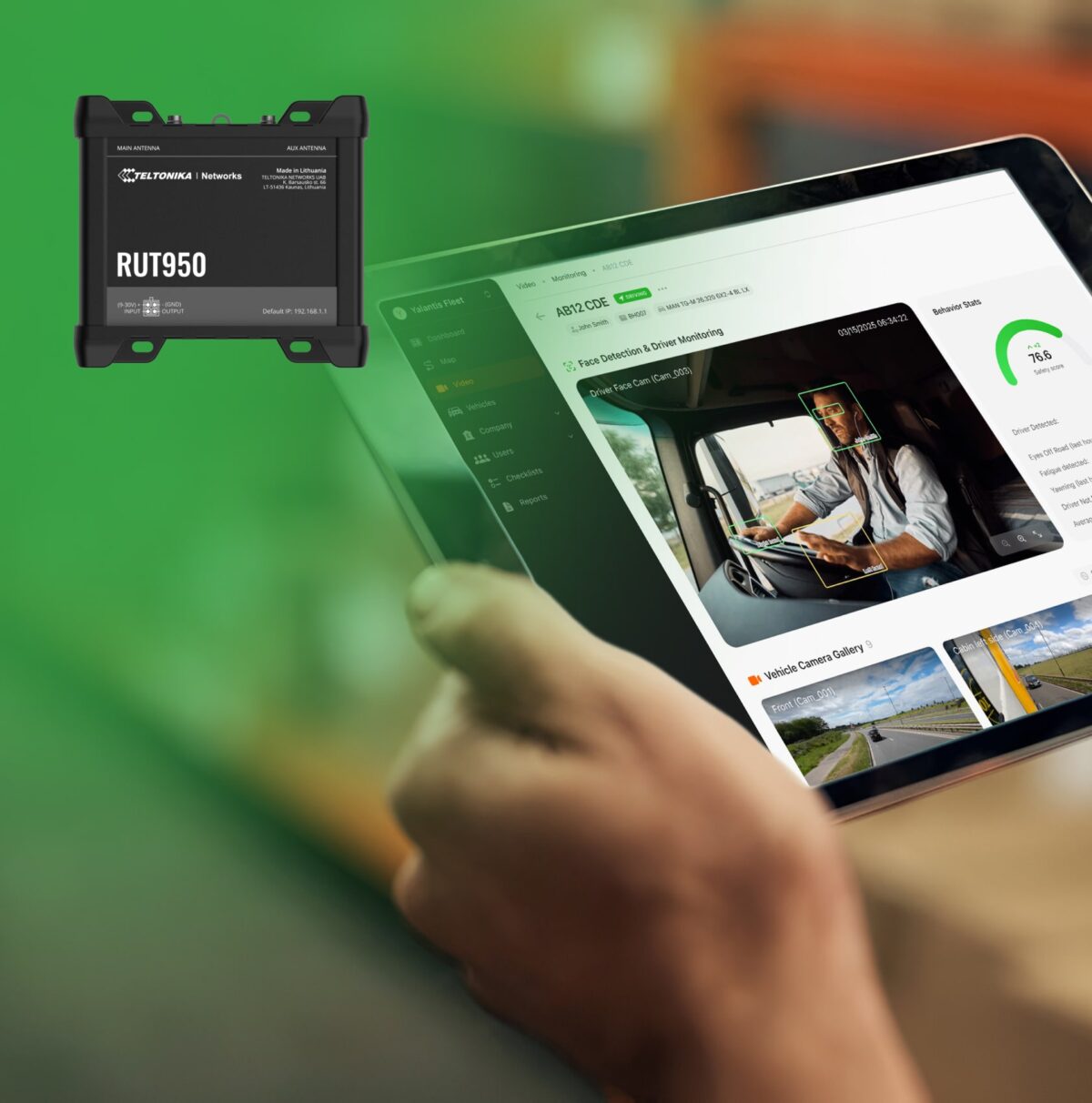
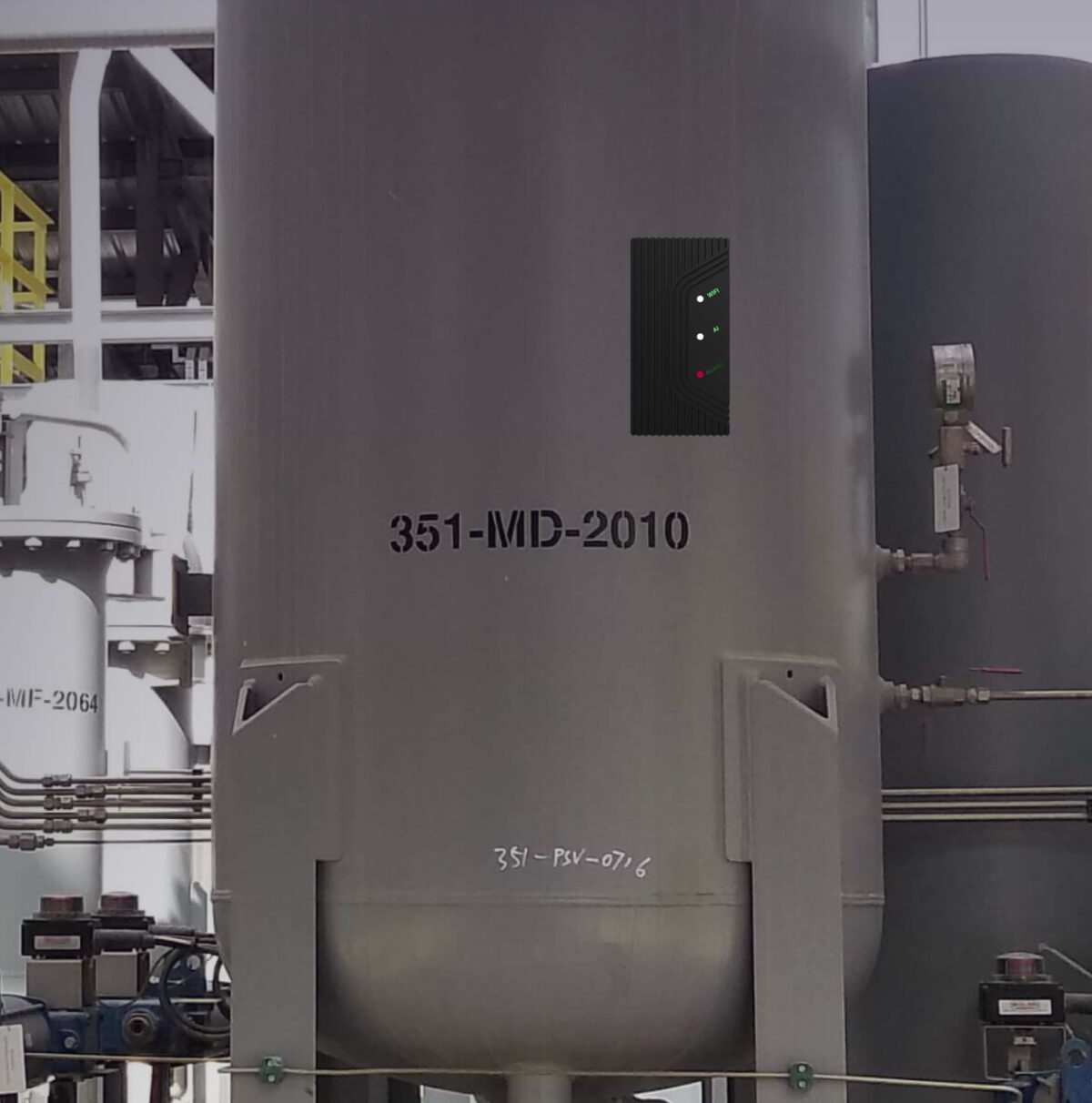
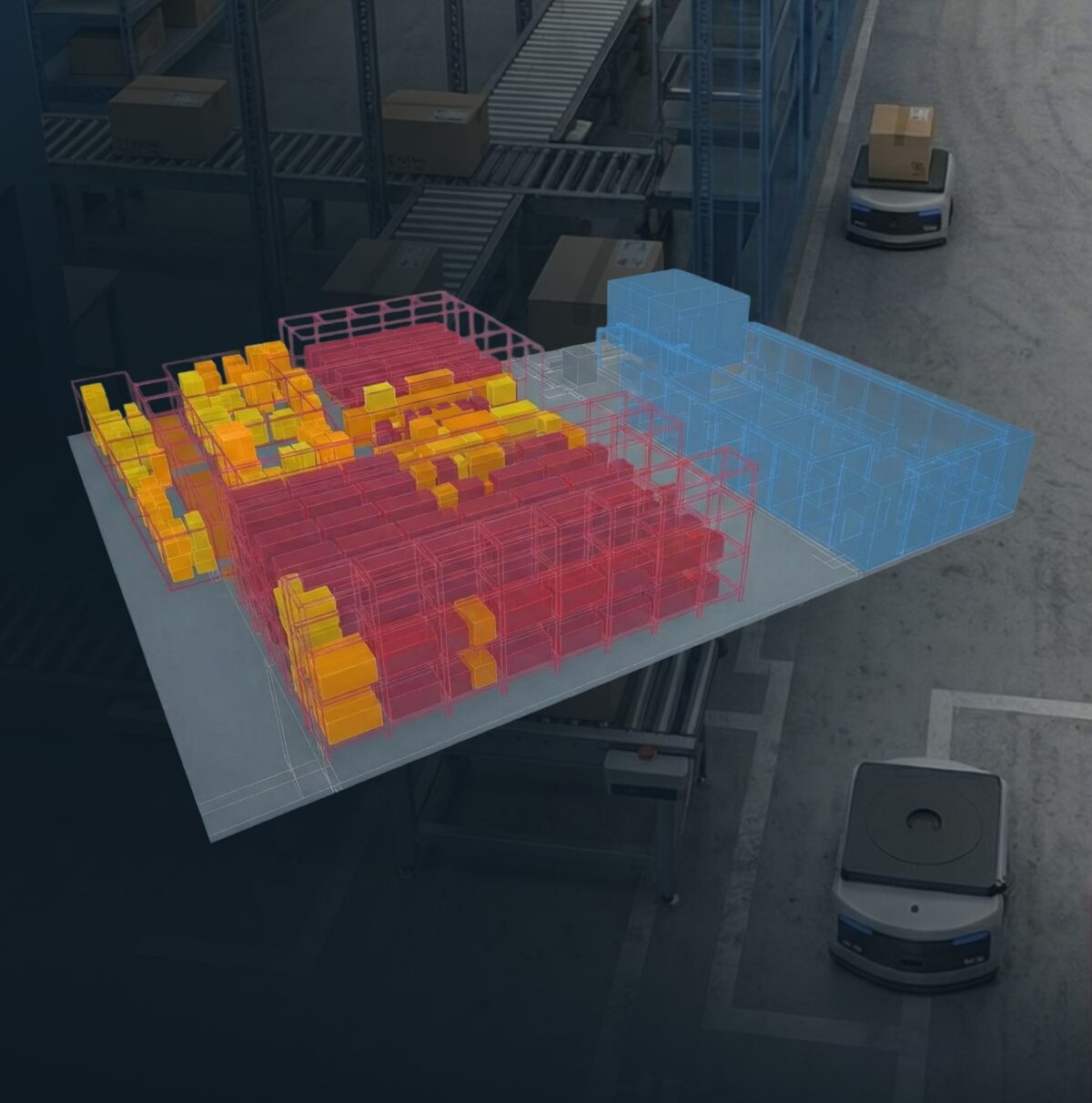
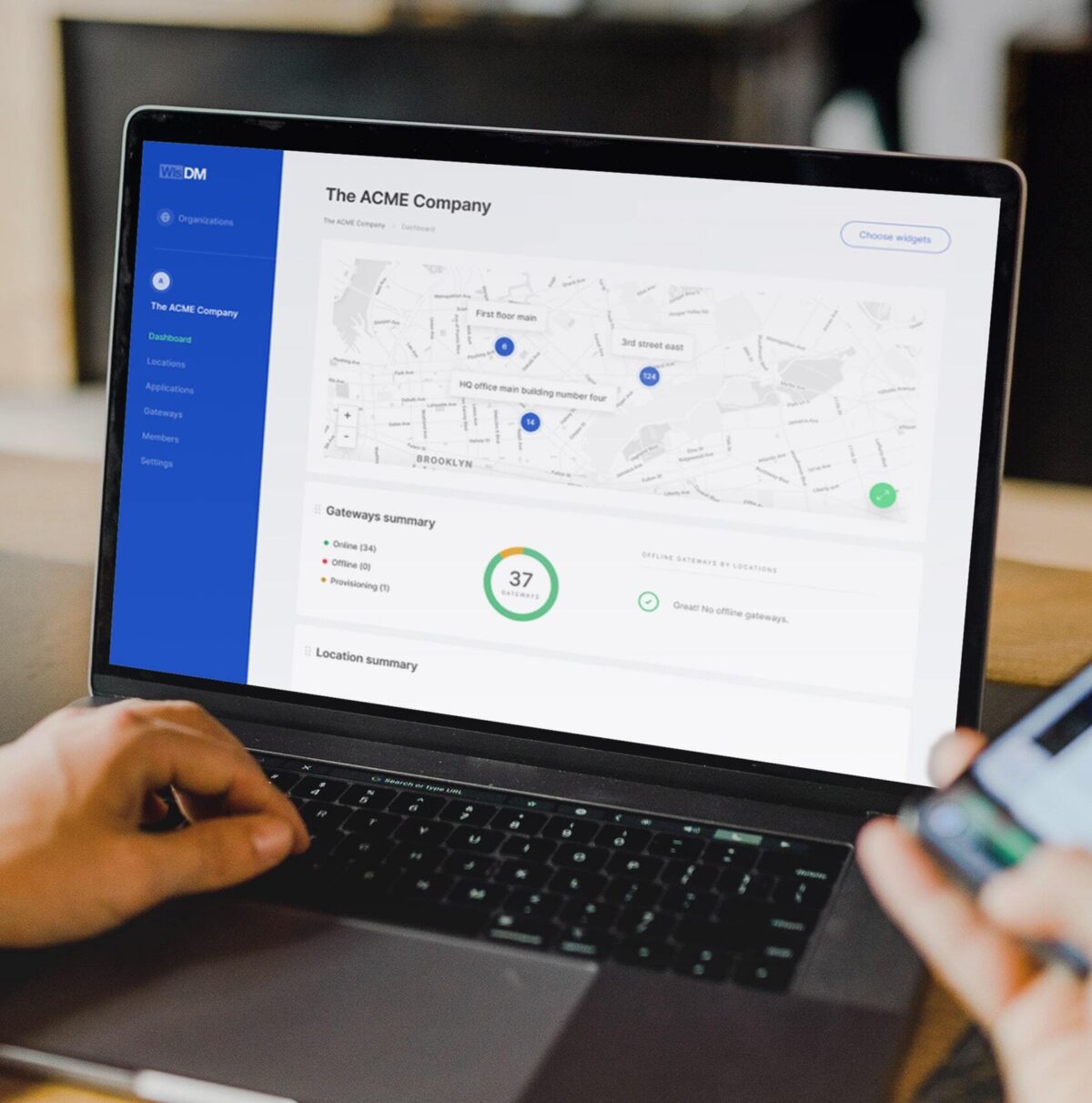
From industrial sensors to fleet management platforms, we build IoT products that solve real operational problems and deliver results clients can measure. The cases below are a sample of what we have shipped.








Reveal and eliminate blind spots in your day-to-day operations
Choose Yalantis as your IoT development company and get solutions that keep pace with your business.

Internet of Things development challenges we solve
Stalled scaling and production costs
Prototypes often fail at scale. We optimize hardware and firmware to ensure stability and profitable unit economics across thousands of devices.
Delayed market entry
Certification delays burn the budget. We integrate regulatory requirements early to ensure you pass FDA, CE, or FCC audits on the first attempt.
Unexpected downtime and liability
System failures cause revenue loss. We implement fail-safe mechanisms and predictive maintenance to guarantee continuity and protect your reputation.
High maintenance costs
Legacy systems inflate expenses. We modernize your architecture to reduce technical debt and ensure roadmap control without vendor lock-in.
End-to-end IoT development solutions we deliver
Remote monitoring systems
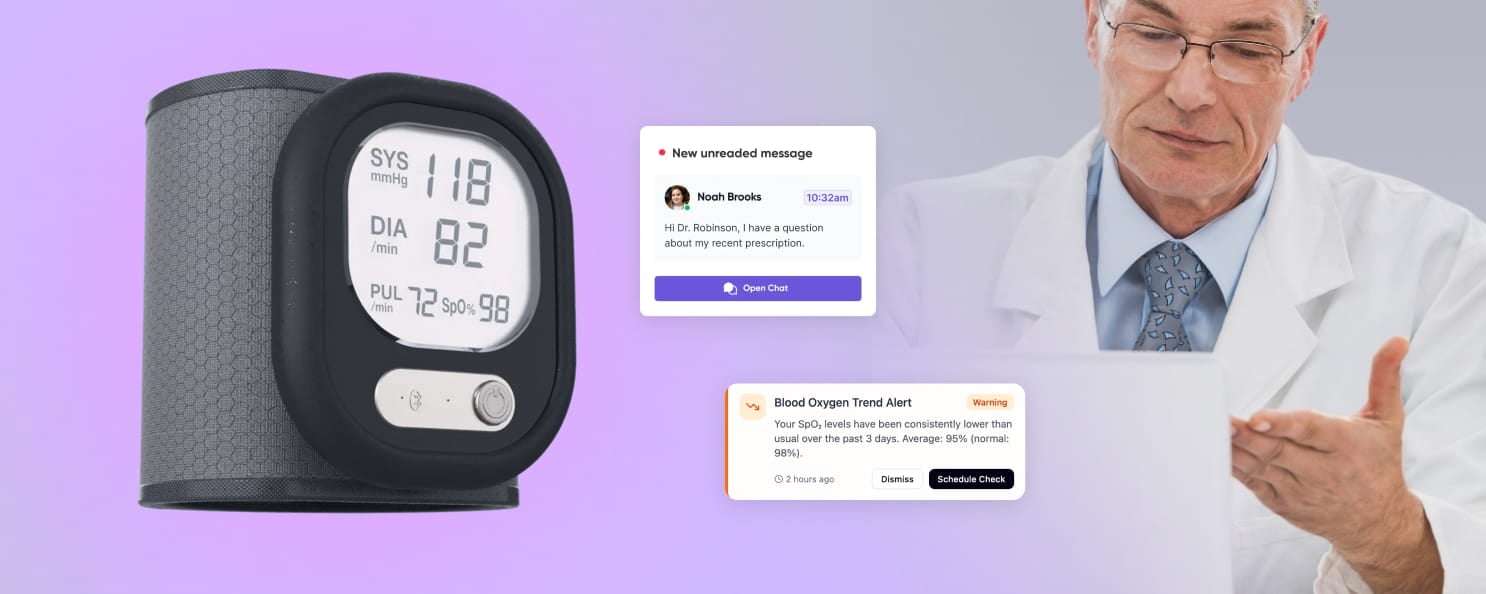
These systems give you a way to monitor what matters without being physically present. Whether it’s a factory line or a medical device, you get timely updates that support day-to-day decisions.
IoT device and network management platforms

Each IoT platform we build lets you register devices, push updates, track activity, and manage the entire network. As an experienced IoT solutions development provider, we make sure everything stays in sync and nothing gets overlooked.
Connected vehicle and mobility solutions
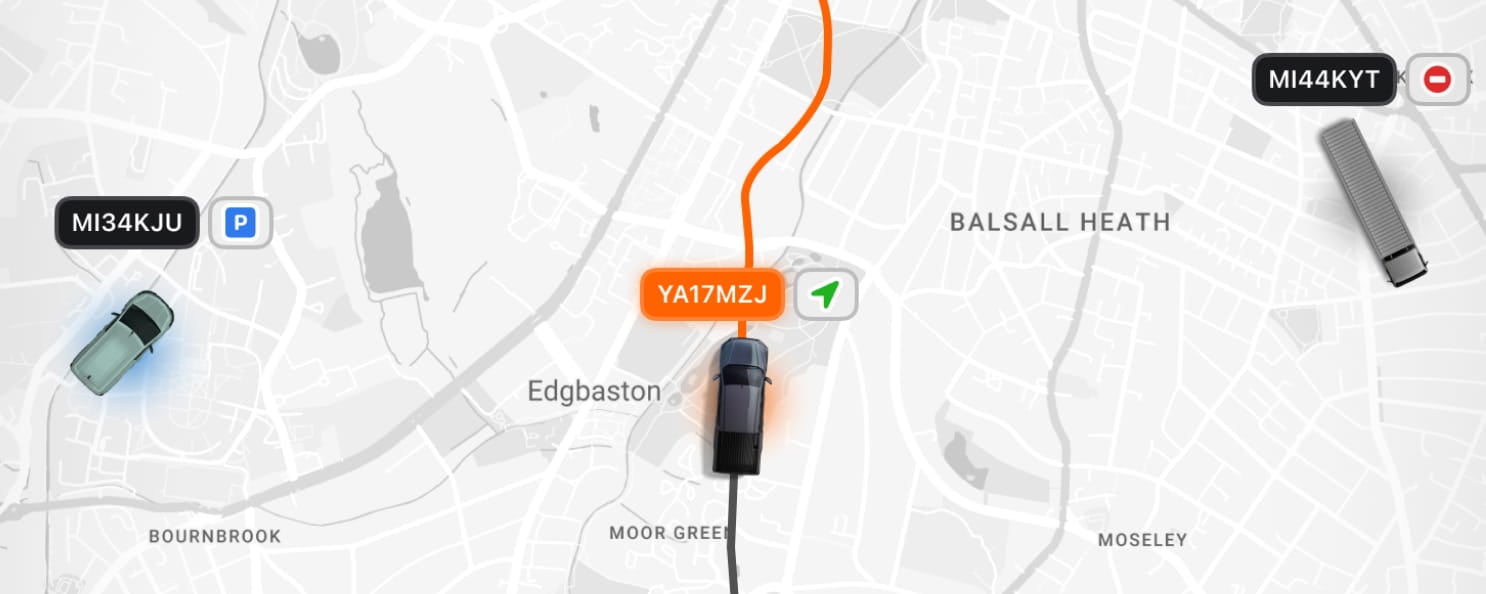
Whether you’re managing a fleet or building smart vehicle features, these solutions for IoT help you stay in touch with what’s happening on the move. You’ll know where things are and how they’re doing.
Smart environment control systems
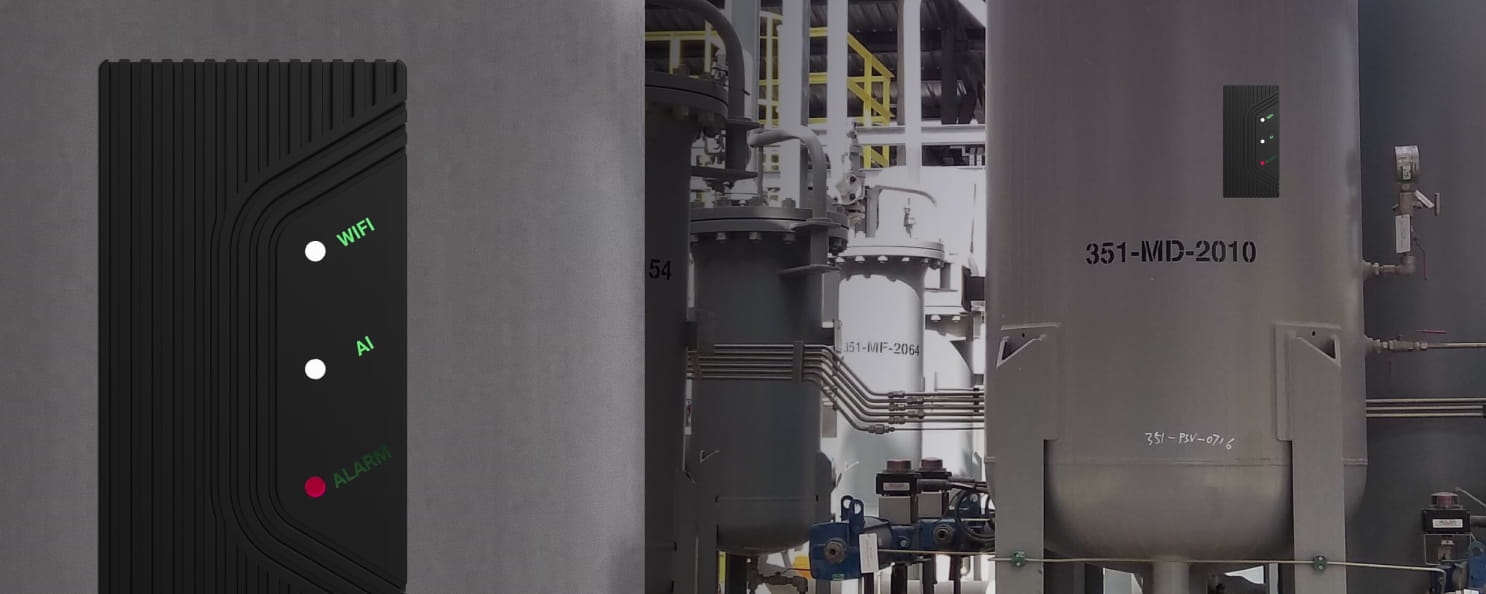
You don’t need to be on-site to adjust lighting or monitor energy use. These custom IoT solutions help you create the right environment either automatically or when you choose to make a change.
Asset and inventory tracking solutions
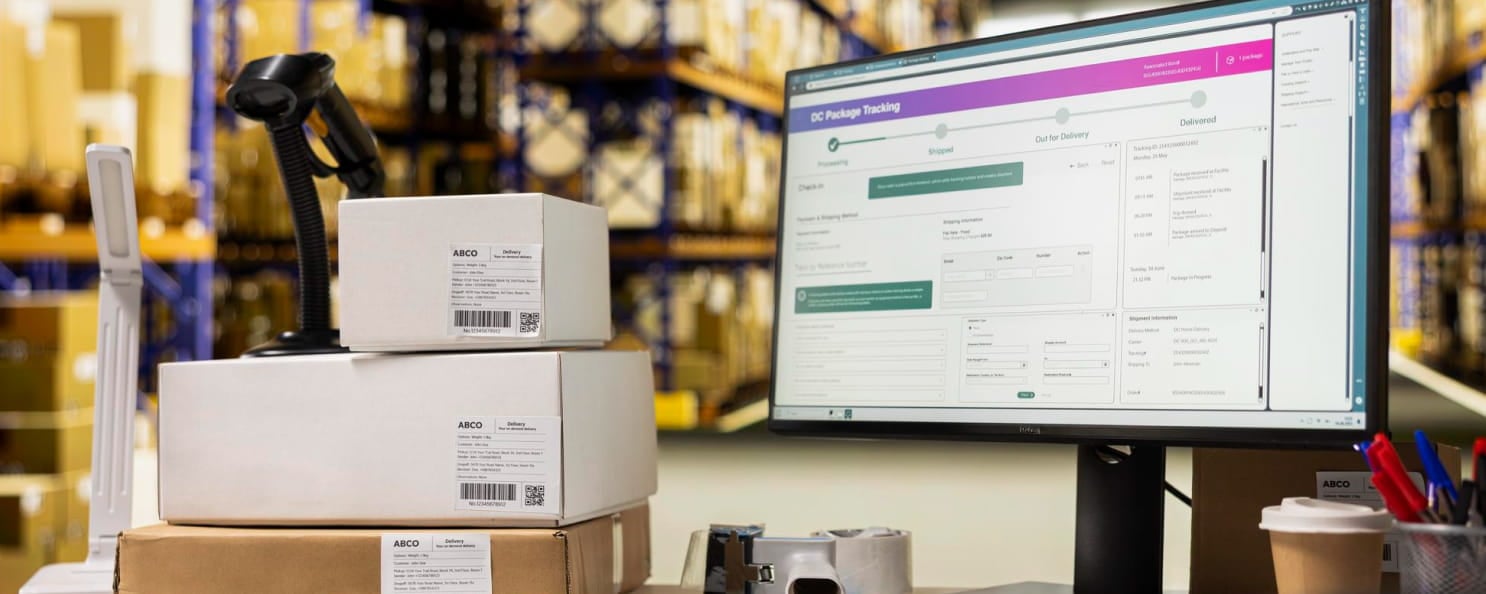 These IoT business solutions help you keep track of where your assets are and how they’re being used. They’re commonly applied across logistics and healthcare settings, as well as industrial environments, to support better resource management.
IoT edge computing solutions
 Instead of sending everything to the cloud, edge solutions let your devices handle data on the spot. That way, you get quicker results and fewer interruptions when the network is slow or unreliable.
Predictive maintenance and operations tools
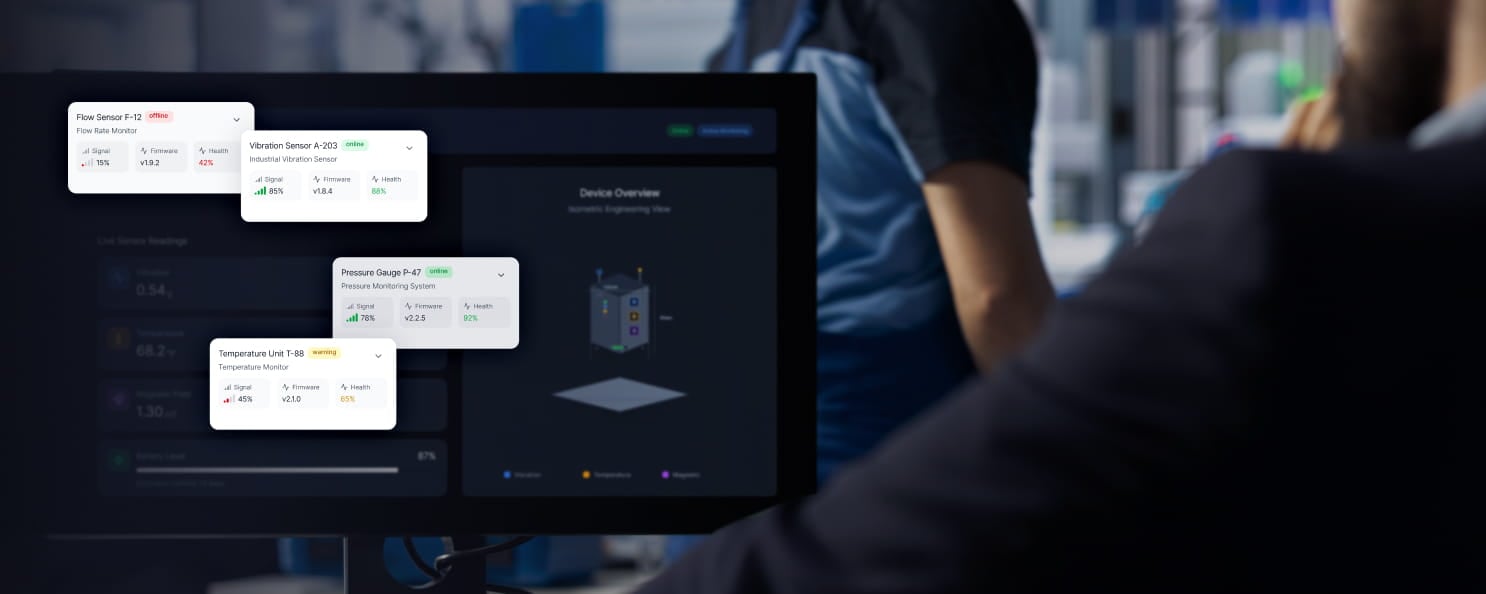
These tools analyze sensor data in real time to detect early signs of equipment wear or failure. By acting on alerts before breakdowns occur, you reduce unplanned downtime and extend the operational life of your assets.
Map out your idea with Yalantis IoT specialists
Get a detailed roadmap of your project with budget and estimates.
Our IoT engineering and development process

Discovery
Every IoT development process starts here. We learn about your product, your users, and the market you’re entering before any engineering decisions are made.

Architecture & planning
With that context in hand, we choose the right hardware platform, connectivity stack, and cloud setup for your specific product and scale.

Hardware and firmware development
We move from schematic to working prototype, catching issues early through reliability testing. Firmware is developed for stability and long device life, using Rust where memory safety is critical.

Software development
Our IoT engineering team builds the cloud infrastructure, device management systems, and API integrations that connect your devices to your business systems.

Testing and validation
Comprehensive testing across hardware, firmware, and software layers. We run failure simulations and load tests to validate system readiness before deployment.

Compliance and certification
Before anything ships, we validate the full system against your required security and compliance standards (IEC 62443, ISO 13485, FDA, CE, FCC) so there are no surprises at audit.

Deployment and support
We support pilot deployments and use real-world data to fine-tune performance before scaling to full production. Post-launch, we remain available for support, updates, and new features as your needs evolve.
Technology stack for IoT development
Rust (our primary language for safety-critical firmware)

C
C++
Python
JavaScript

TypeScript
AWS IoT Core

Azure IoT Hub
custom cloud backends

MQTT
LoRaWAN
BLE
Zigbee

Thread

Wi-Fi
cellular (LTE-M, NB-IoT)

Modbus
OPC-UA

FHIR HL7

Yocto
Buildroot

custom distributions
Arduino

ESP32

STM32
NRF52

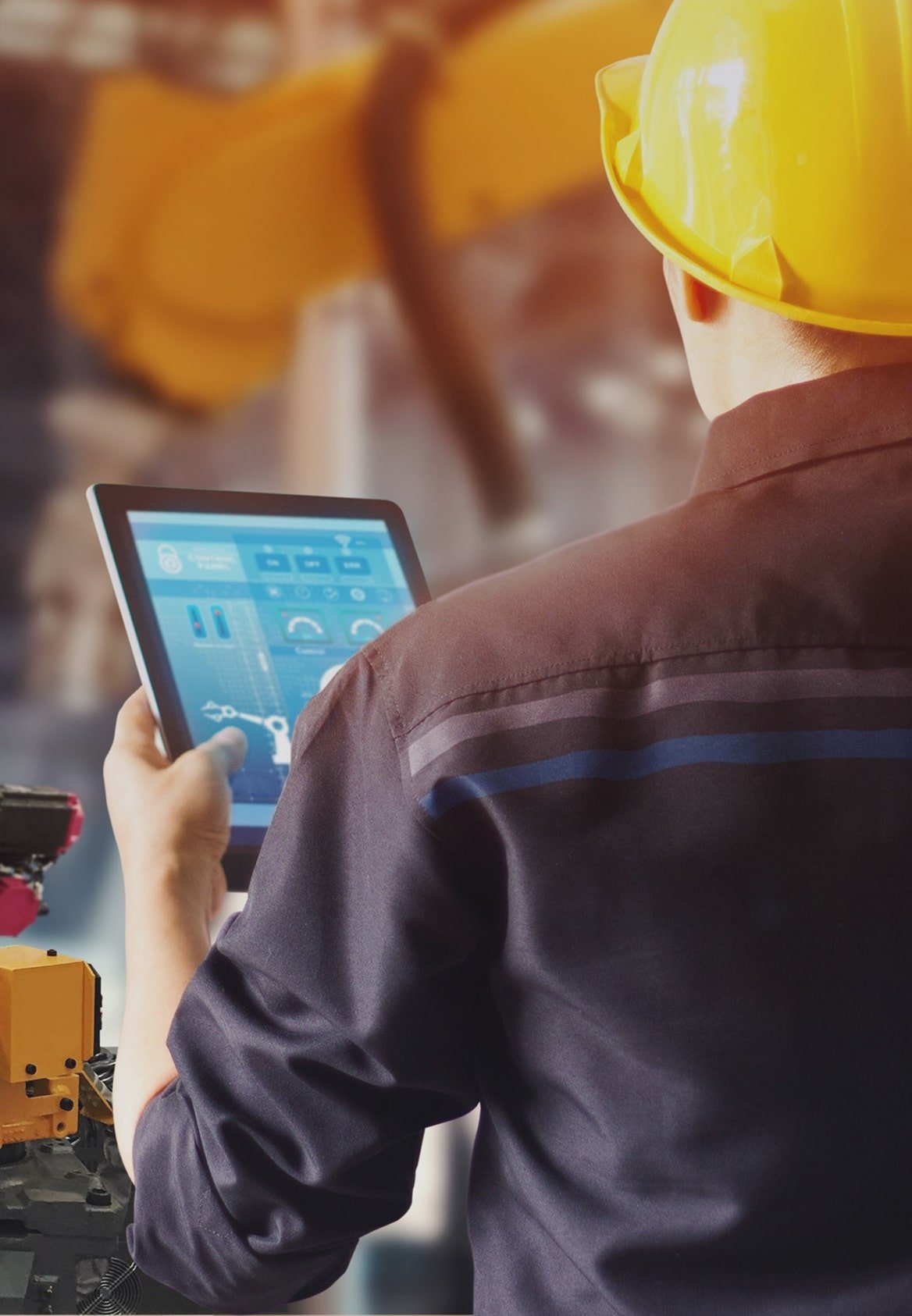

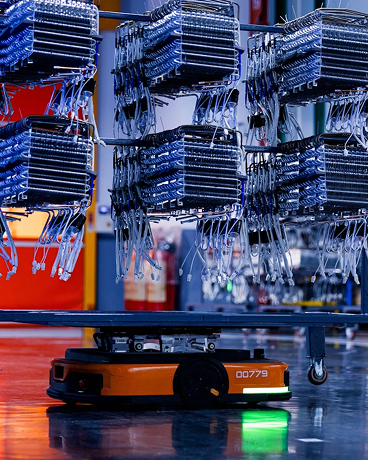
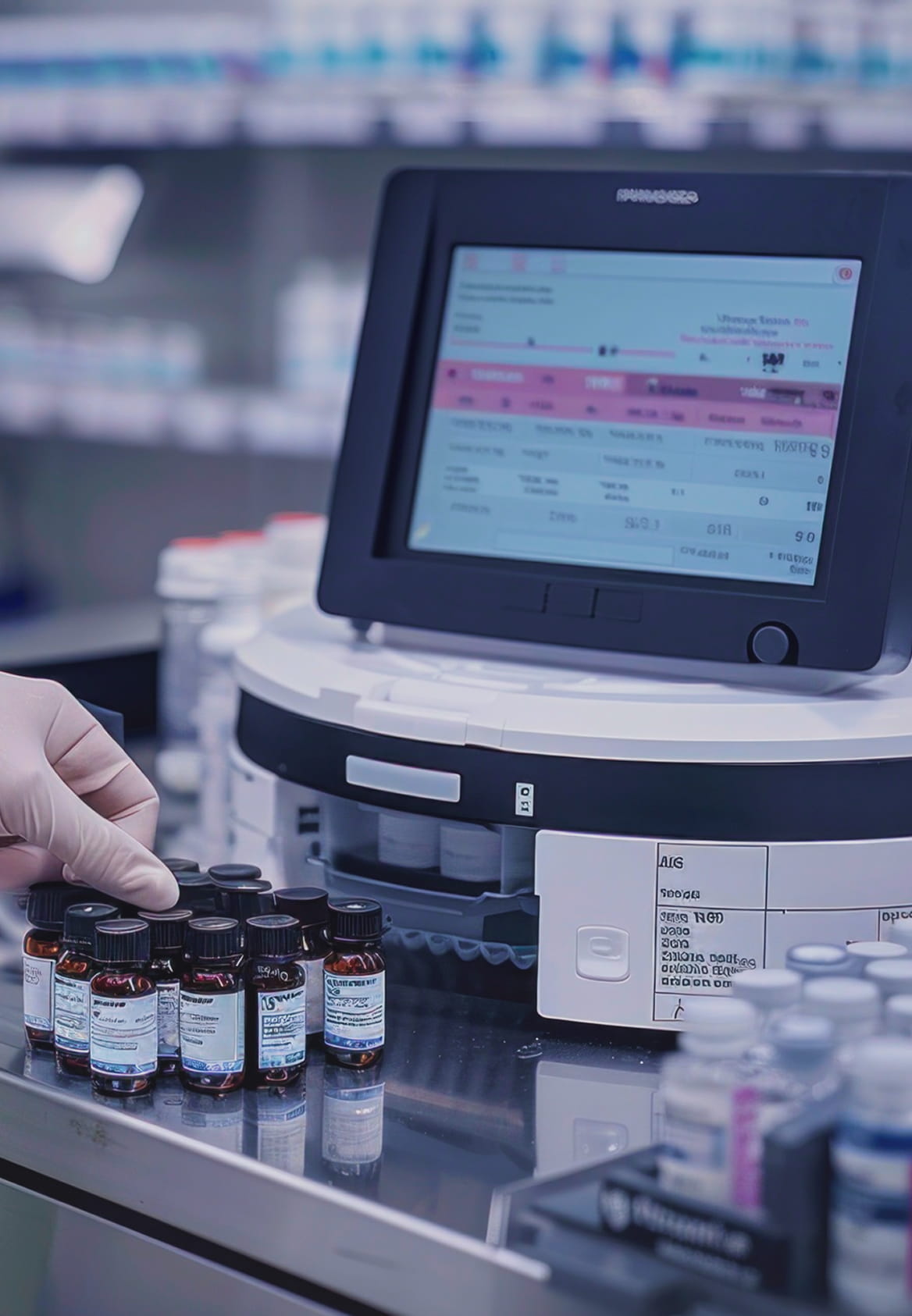
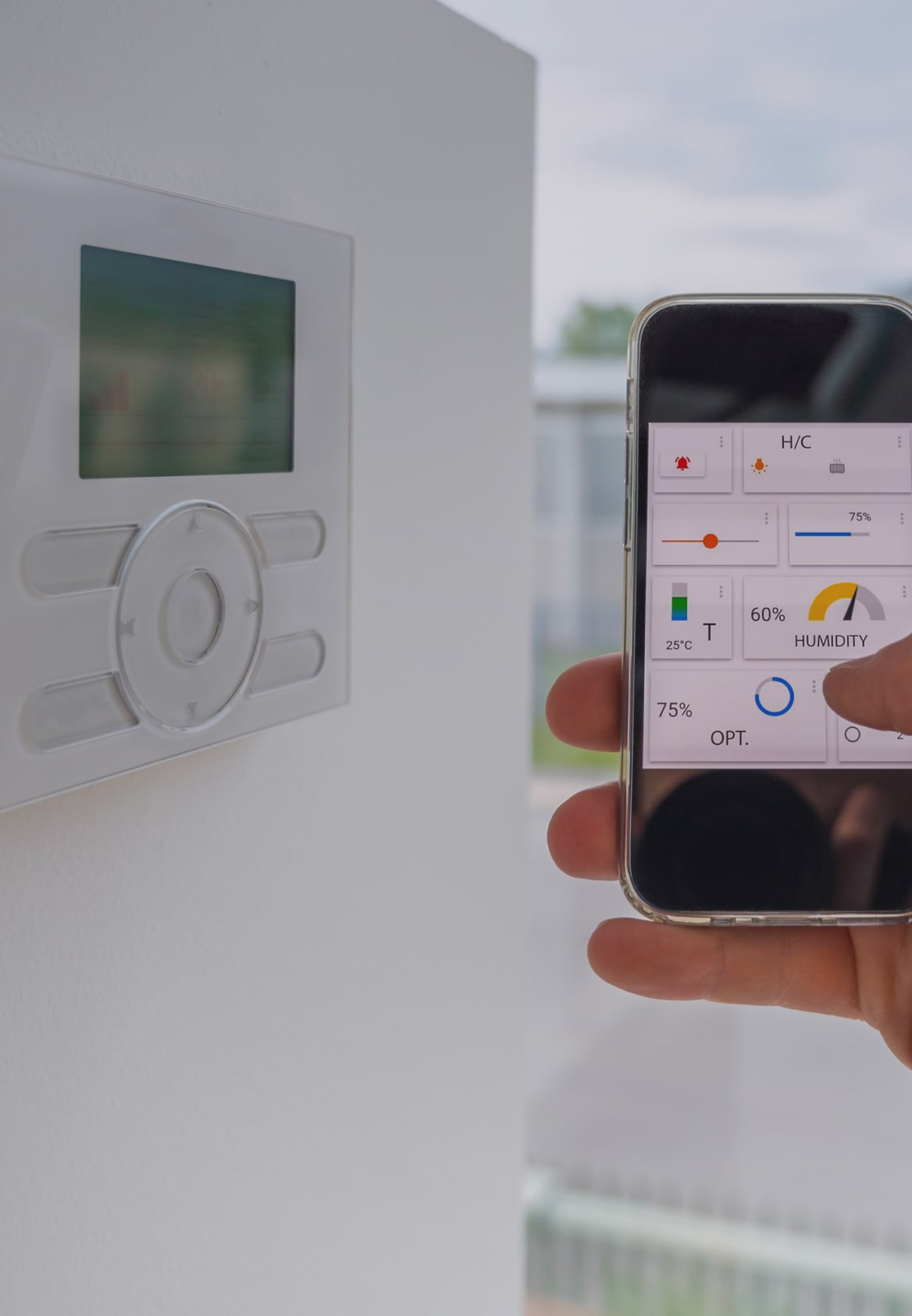


Looking for an IoT development partner in your industry?
Tell us about your use case and regulatory requirements. We will recommend the right team structure and technology stack for your vertical.
Why teams choose Yalantis for IoT development
Certified security and compliance from the start
ISO 9001, ISO 27001, ISO/IEC 27701, ISO 13485, IEC 62443, and HIPAA compliance are embedded into our engineering process from day one. We integrate regulatory requirements early so you pass FDA, CE, or FCC audits on the first attempt, without costly rework at the end.
In-house R&D lab in Warsaw
Our dedicated hardware lab handles PCB design, prototyping, and environmental testing under one roof. This gives us full control over the hardware-firmware integration cycle and eliminates the coordination overhead of outsourcing physical prototyping to third parties. The lab operates under the technical leadership of our CTO, who oversees architecture decisions across all IoT engagements.
Proven track record in mission-critical IoT
With 17+ years delivering Internet of Things development services across healthcare, industrial, logistics, and automotive sectors, we understand the technical and regulatory complexity of connected products. Global leaders including Home Connect for Bosch, Toyota, and RAKwireless trust us with their most demanding IoT challenges.
Full-stack hardware and cloud delivery
Few agencies bridge the gap between silicon and cloud. As a full-spectrum Internet of Things software development services provider, we deliver a unified ecosystem covering custom PCB design, firmware, device management platforms, and mobile applications. This eliminates the integration failures that plague multi-vendor engagements.
Strong Rust expertise
Our dedicated Rust team brings 5+ years of production experience eliminating whole classes of memory vulnerabilities before they can reach your product. Rust is one of Yalantis’s three core strategic technology pillars, making us a pioneer in its commercial adoption for embedded IoT systems.
Fast staffing and team stability
Scale your R&D team in 2 to 4 weeks. Our 18% attrition rate, far below industry norms, means the engineers who architect your custom IoT software development engagement remain with the project, protecting the institutional knowledge that drives long-term delivery quality.
Built for profitable scale
We optimize hardware BOM costs and cloud resource consumption in parallel with firmware efficiency. Your solution makes business sense at mass scale because profitability is an engineering constraint, never an afterthought.
Ready to start your IoT project?
We will assess your requirements and provide a preliminary roadmap within one week.
Compliance & certifications
ISO/IEC 2700: Information Security
Certified ISMS ensuring your IoT infrastructure and device data are protected by internationally recognized security controls and continuous improvement processes.
ISO/IEC 27701: Privacy Management
Privacy information management certification demonstrating GDPR compliance and data protection best practices, critical for IoT products that process personal or health data.
ISO 13485: Medical Device Quality
Quality management system certification for connected medical device development, enabling FDA-regulated IoT software and compliant DevOps pipelines for healthcare products.
IEC 62443: Industrial Cybersecurity
Industrial automation security expertise ensuring OT environments, SCADA systems, and connected manufacturing equipment meet the cybersecurity requirements of critical infrastructure operators.
HIPAA Compliance
Healthcare data protection expertise enabling IoT pipelines that handle Protected Health Information (PHI) with appropriate encryption, access controls, and audit logging.
ISO 9001: Quality Management
Our foundational quality certification ensures that every IoT project, regardless of industry, is delivered through structured, repeatable engineering processes that minimize defects and rework.
HIPAA, GDPR, FDA, MDR Readiness
Beyond certifications, we maintain operational readiness for HIPAA, GDPR, FDA, and MDR audits. Regulatory compliance is built into our DevOps pipelines and architecture decisions, so your product is audit-ready at every stage of development.
Select Your Plan
Engagement models
We offer flexible engagement models to match different project scopes, timelines, and internal team structures.
Time and Materials (T&M)
Best for projects where requirements evolve during development. You pay for actual hours and get full transparency into resource allocation. This model works well for discovery phases, R&D efforts, and iterative product development.
Dedicated Team
A cross-functional team allocated exclusively to your development project. This model is ideal for long-term IoT programs where deep domain knowledge and team continuity matter. The team integrates into your workflows and reports directly to your product owner.
Staff Augmentation
Individual engineers embedded into your existing team to fill specific skill gaps. Whether you need a Rust firmware developer or a cloud architect, we can place qualified specialists within 2 to 4 weeks.
AI-Enabled Team
A team equipped with enterprise-grade AI tools for accelerated delivery. We use only licensed corporate AI platforms with strict data isolation to protect your IP. The team operates as an AI-Accelerated Pod with built-in pipelines for code review, automated documentation, and test generation. Choose this model when speed to market is your top priority and you want the productivity gains of AI tooling backed by enterprise-level compliance guarantees.
What our clients say







IoT development insights
Articles
Enterprise IoT Remote Management: The Scalable Way to Monitor and Secure IoT Devices
Learn an approach to ensuring remote IoT network management and building an IoT remote management system. Read about the pitfalls associated with remote management in IoT and how to overcome them.

Articles
The Ultimate Guide to IoT Testing: Catch Failures Before Your Customers Do
Master the complexities of IoT quality assurance with our comprehensive guide. Learn how to validate device-to-cloud synchronization and ensure ironclad security across your entire IoT network.

Articles
How to Build an IoT Device in 2026: A Full-Cycle Guide
Full-cycle guide walks you from hardware and firmware through connectivity, cloud, and the compliance work that decides whether a connected product ships or stalls.

Articles
IoT Trends to Watch in 2026: What Engineering Leaders and Product Teams Must Act On Now
Explore the defining IoT trends for 2026. How AIoT, Energy Harvesting, and Rust programming are reshaping Industrial and Healthcare IoT.
Explore related services
FAQ
-
What does full-cycle IoT software development include?
Full-cycle IoT software development covers every stage of bringing a connected product to market: hardware design, embedded and firmware development, cloud backends, device management platforms, security hardening, Rust-based embedded systems, compliance and certification support, and ongoing post-launch maintenance. At Yalantis, our Internet of Things development services are delivered by one cross-functional team that owns the entire product end to end, which keeps delivery timelines tight and integration issues off the table.
-
How do you approach IoT security and compliance?
Security is treated as an architectural decision from day one. During the first design sessions, we define the threat model, identify applicable standards, and establish how firmware will be updated securely in the field. By the time certification comes around, whether that’s HIPAA, GDPR, IEC 62443, or MDR, the architecture already meets the requirements. There’s no scrambling and no costly rework before an audit.
-
Can you develop both the hardware and the software for my IoT product?
Yes, and that combination is where we consistently deliver the most value. With end-to-end IoT services under one roof, the hardware engineers, firmware developers, and cloud team work in close coordination throughout the project. Integration issues get caught and resolved early, at a fraction of the cost they carry once a product is further down the line.
-
How long does it take to develop an IoT solution from scratch?
Timelines depend on complexity, regulatory requirements, and whether custom hardware is involved. A firmware-only project with an off-the-shelf board can reach production in 3 to 6 months. A full-stack IoT solution with custom PCB design, embedded software, cloud platform, and certification typically takes 9 to 18 months. We provide detailed estimates during the discovery phase once we understand your specific requirements and compliance obligations.
-
What certifications should an IoT development company have?
Look for ISO 27001 (information security), ISO 13485 (medical device quality), and IEC 62443 (industrial cybersecurity) at a minimum. HIPAA compliance matters if your product handles health data. ISO 9001 ensures structured quality management across all projects. When evaluating any IoT software development company, verify that these certifications are current and integrated into their engineering process. Yalantis holds all of them and builds compliance into every engagement from the discovery phase, so your product is audit-ready before certification begins.
-
What’s the difference between IoT development services and IoT software development services?
IoT development services is the broader term, covering hardware, firmware, embedded software, and cloud. IoT software development services focuses specifically on the software layers: cloud backends, device management platforms, mobile applications, and API integrations. A full-cycle provider like Yalantis covers both, so you get integrated delivery across every layer without the coordination overhead of managing multiple vendors.
-
Why is Rust used for IoT software development?
Rust eliminates entire classes of memory safety bugs (buffer overflows, null pointer dereferences, data races) at compile time, which makes it ideal for safety-critical and long-running embedded systems. Unlike C/C++, Rust delivers this safety without a garbage collector, so it fits resource-constrained IoT devices. Yalantis has 5+ years of production Rust experience and uses it as a primary language for firmware where reliability and security are priorities.
-
What engagement models do you offer for IoT development projects?
We offer four models. Time and Materials works best for projects with evolving requirements. Dedicated Team is ideal for long-term programs where continuity matters. Staff Augmentation fills specific skill gaps on your existing team. AI-Enabled Team pairs a purpose-built squad with enterprise-grade AI tooling for accelerated delivery cycles. Each model can be tailored to your project’s scope and internal structure. We can staff a team and have them productive within 2 to 4 weeks.
-
What industries do you serve with IoT services?
We work across healthcare, industrial manufacturing, logistics and supply chain, automotive, pharma, smart buildings, agriculture, and defense. Each vertical carries its own regulatory requirements and technical constraints, so every engagement gets domain-specific expertise. The architecture for a connected medical device looks very different from an industrial monitoring system, and the same applies to compliance obligations and testing requirements. We’ve built that knowledge across all of these sectors over 17+ years.
-
How do you ensure IoT architecture scales cost-effectively?
Hardware BOM costs and cloud resource consumption are factored in alongside firmware efficiency during the architecture phase, before a single component is selected. Our custom IoT development services are scoped so that unit economics are understood and controlled well ahead of production rollout. Vendor-agnostic design choices are made wherever feasible, giving you flexibility as volumes grow and market conditions change.
-
When should I consider custom IoT software development over an off-the-shelf platform?
Consider custom development when your product has unique hardware requirements, strict regulatory constraints, proprietary data processing needs, or when off-the-shelf platforms introduce unacceptable vendor lock-in. Custom IoT software development also makes sense at scale, where per-device licensing costs of commercial platforms erode your unit economics. We help clients evaluate this trade-off during the discovery phase.
-
How do you handle IoT software updates across large device fleets?
We implement secure OTA (over-the-air) update systems with firmware signing, staged rollouts, and automatic rollback capabilities. For large fleets, updates are deployed incrementally to a subset of devices first, validated against performance metrics, and then rolled out to the full fleet. This approach minimizes the risk of bricking devices and ensures continuity of service during updates.
Fill out the form to set up a call
Welcome to Yalantis, please fill out the form and we’ll get back to you.

Thank you for contacting us.
Keep an eye on your inbox. We’ll be in touch shortly
Meanwhile, you can explore our hottest case studies and read
client feedback on Clutch.