



The automotive industry doesn’t forgive software failures. That’s why automotive IoT software development needs engineers who understand what’s at stake, not generalist shops learning on your budget. Yalantis brings a dedicated R&D lab, 400+ specialists, and end-to-end delivery across firmware, cloud, and mobile, compliant with ISO 26262, ISO/SAE 21434, and UNECE R155/R156.
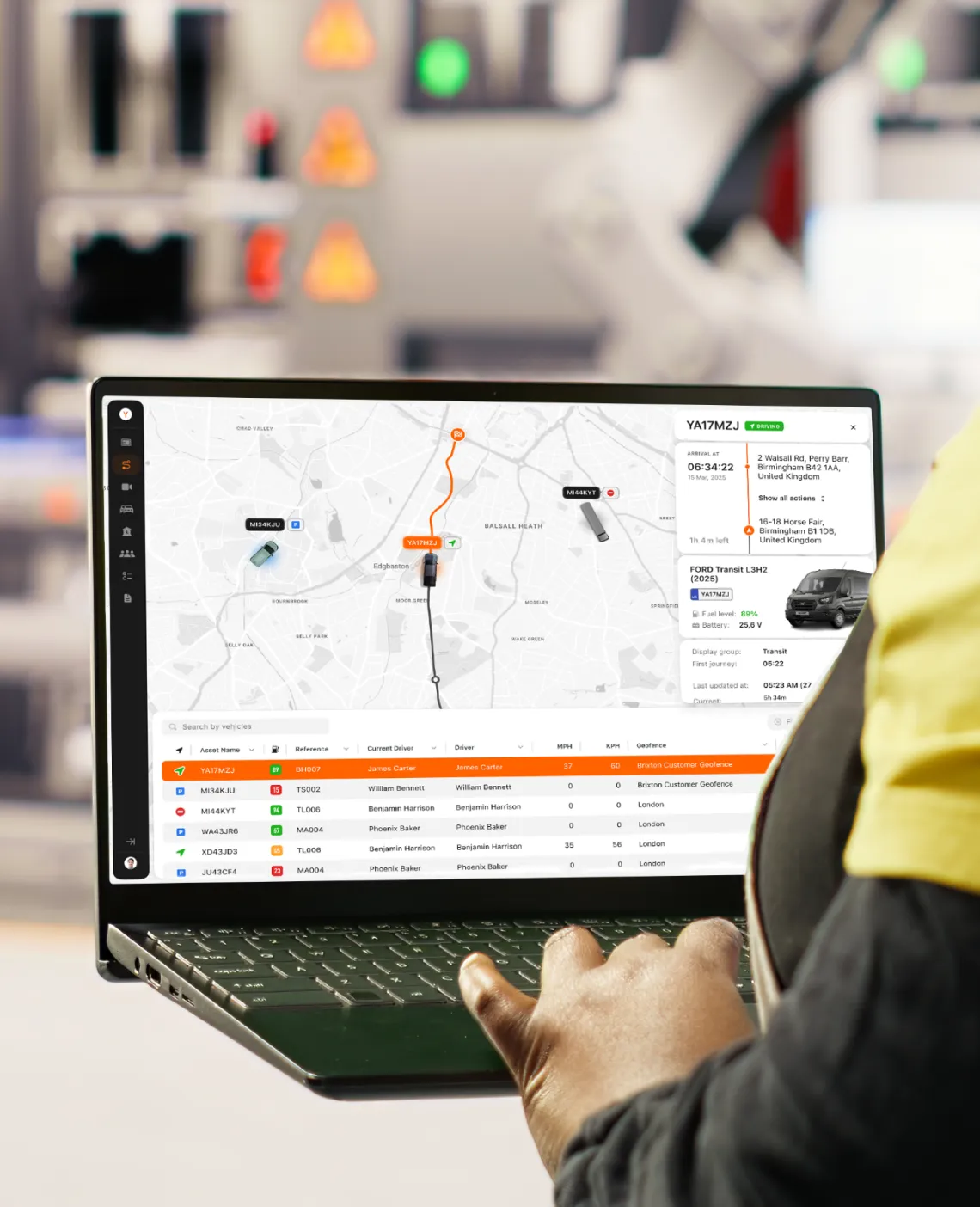
Where our work speaks for itself








Automotive IoT services we provide
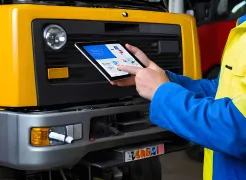
Connected vehicle platforms
Get a connected vehicle platform your OEMs, automakers, and fleet operators can scale to millions of devices, with no vendor lock-in.
- Design multi-service architectures that scale from pilot to production
- Integrate telematics, diagnostics, and real-time data pipelines
- Build white-label platform logic for OEM and B2B deployments
- Deliver modular backends that cut time-to-market by design
Embedded firmware & BSP
At the hardware level is where connected vehicles are won or lost. Yalantis engineers deliver firmware and BSPs built for the reliability demands of safety-critical automotive IoT development.
- Develop RTOS-based firmware for automotive-grade ECUs and MCUs
- Build and port BSPs across ARM, RISC-V, and custom silicon
- Optimize for low-power, low-latency edge operation
- Validate against ISO 26262 functional safety requirements

OTA update systems
Physical recalls are expensive, slow, and avoidable. OTA infrastructure built by Yalantis lets you fix, improve, and secure vehicles remotely, eliminating the cost and reputational risk of dealer-floor software fixes.
- Build delta-update pipelines that minimize bandwidth and downtime
- Implement rollback, staging, and fleet segmentation logic
- Ensure cryptographic signing and chain-of-trust at every layer
- Integrate with UNECE R156 software update management requirements

Automotive IoT cloud & data
Raw vehicle telemetry is worthless without the infrastructure to process it. Yalantis builds the cloud backbone that turns sensor streams into decisions your business can act on.
- Build high-throughput IoT data pipelines for real-time vehicle telemetry
- Architect multi-region platforms on AWS, Azure, or GCP
- Implement digital twin models for remote vehicle state monitoring
- Design data monetization layers for OEM and third-party services
Fleet management solutions
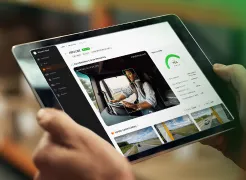
Get full visibility across your vehicle parc, from navigation patterns to component health, with fleet management systems that reduce operational costs and unplanned downtime at scale.
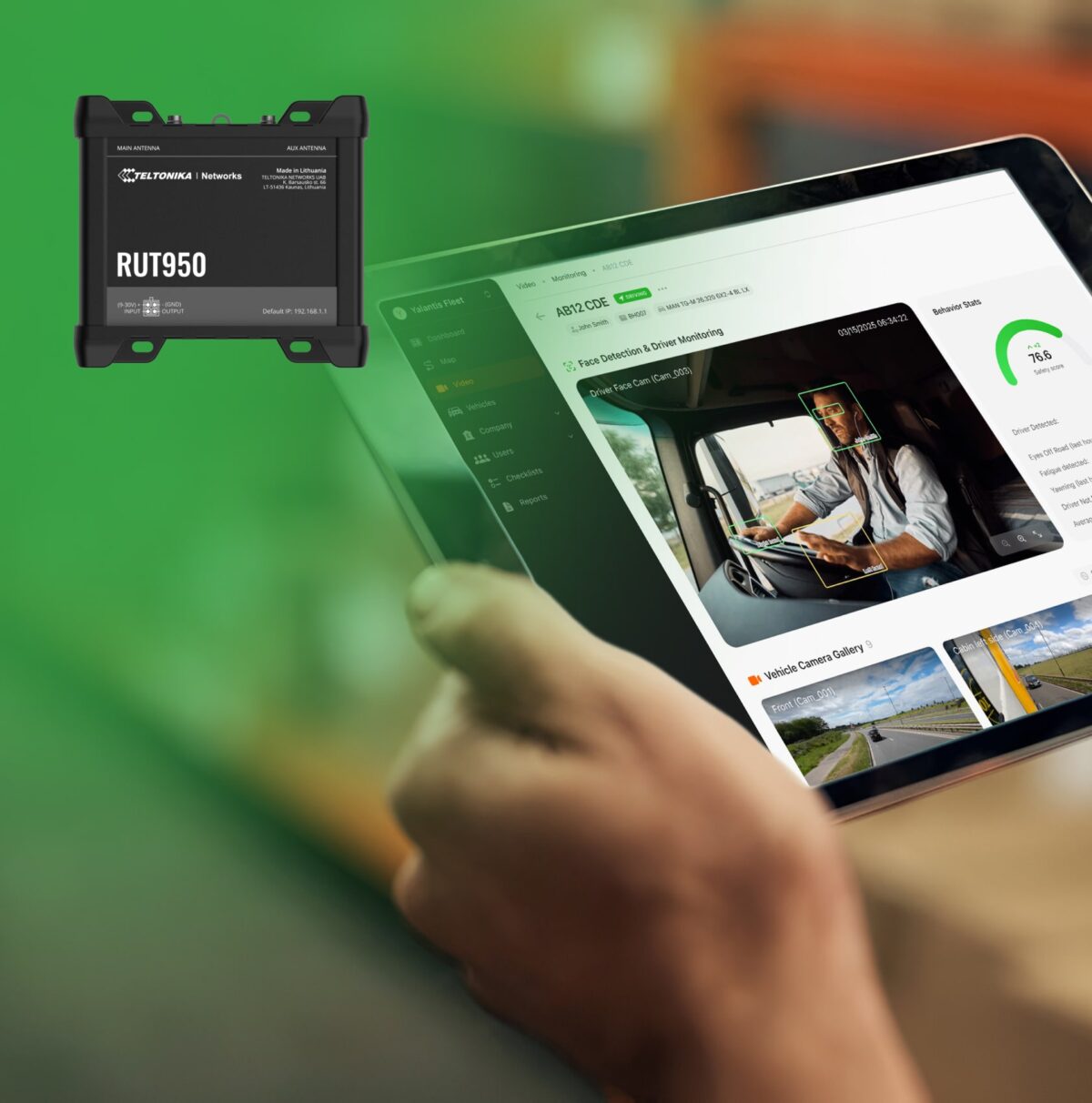
- Build real-time tracking, diagnostics, and driver behavior dashboards
- Implement predictive maintenance logic using IoT sensor data
- Develop route optimization and dispatch automation modules
- Integrate with ERP, logistics, and third-party telematics systems

V2X communication
Vehicle-to-everything communication is a baseline for modern competitive vehicle technology. At this layer, you’ll need a high degree of precision in protocol implementation and real-time reliability, which Yalantis automotive IoT development services provide.
- Implement V2X protocols: DSRC, C-V2X, and 5G NR cellular sidelink
- Build vehicle-to-infrastructure communication layers for smart city integration
- Develop V2N connectivity for cloud-based traffic and hazard data feeds
- Support safety validation workflows for NCAP and regional standards

ADAS integration
Sensor fusion, perception pipelines, and driver assistance logic require a different engineering discipline than standard connected vehicle work. Yalantis builds ADAS integration layers that sit cleanly between hardware and the software stack above it.
- Integrate sensor fusion pipelines for camera, radar, and LiDAR data
- Build ADAS middleware compliant with AUTOSAR Adaptive
- Develop perception and object detection modules for driver assistance features
- Validate against ISO 26262 ASIL requirements for safety-critical ADAS components

Automotive mobile apps
The mobile layer is what drivers and fleet operators actually touch every day. Automotive IoT solutions only deliver ROI when the UX holds up under real conditions.
- Develop iOS and Android apps for remote vehicle control and monitoring
- Build real-time push notification and alert systems
- Integrate with in-vehicle APIs, BLE, and cellular network backends
- Maintain compliance with platform security and privacy standards

Compliance & cybersecurity
For manufacturers operating across global markets, regulatory exposure is not a legal problem. It is an engineering one. Automotive IoT software development at Yalantis treats ISO 26262, ISO/SAE 21434, and UNECE R155/R156 as design constraints, not checkboxes.
- Conduct threat analysis and risk assessment aligned with ISO/SAE 21434
- Implement secure boot, encryption, and intrusion detection at the firmware level
- Build CSMS workflows compliant with UNECE R155
- Support audit readiness for ISO 26262 functional safety certification
Explore our cases
Automotive IoT challenges we solve

Platforms that stall, not launch
Internal IoT platforms can take years to develop, often ending in delays or outright failure.
Over-reliance on Tier-1 vendors
Depending solely on Tier-1 suppliers can limit your flexibility, slow down innovation, and lock you into outdated tech stacks.
Fragmented ecosystems
Disconnected in-car, mobile, and cloud software ecosystems lead to inconsistent experiences.
Outdated OTA infrastructure
Outdated or unscalable OTA update systems make vehicles vulnerable, inefficient, and costly to maintain.
Siloed vehicle data
Vehicle-generated data that sits unused and remains disconnected in systems cannot inform business decisions.
No fast way to launch
Without modular, pre-tested building blocks, every project feels like reinventing the wheel.
Are you facing one of these challenges?
Book a free discovery call and lean how Yalantis can help you solve them.
The benefits of automotive IoT services
10–40%
reduction in maintenance costs achieved through IoT-driven predictive maintenance in automotive and manufacturing
McKinsey, Industry 4.0
50%
reduction in unplanned equipment downtime when IoT predictive maintenance is deployed across vehicle fleets
McKinsey, Industry 4.0
$1.5B
projected annual savings for U.S. automakers by 2028 through OTA updates replacing physical software recalls
ABI Research, 2023
55%
of automotive executives rank connected vehicles as a top-2 trend shaping the future of mobility, second only to electrification
McKinsey, 2023
Automotive IoT solutions that Yalantis offers
End-to-end OTA layer
Get a secure automotive industry OTA infrastructure with rollback and real-time update capabilities.
Cross-vehicle telemetry & health monitoring
Enjoy a unified view of vehicle health across multiple fleets and geographies from a single dashboard.
Component lifecycle intelligence
Track the performance of components in use and optimize their maintenance.
Mobile, in-car, and cloud integration
Connect driver apps, in-vehicle UIs, and backend cloud systems for faster decision-making.
Rapid PoC & MVP launch
Launch PoC and MVP in months — not years — and scale as your connected mobility solutions grow.
Discover how our upcoming automotive IoT platform can help you launch connected vehicle services faster and safer.
Become an automotive industry leader with our scalable, secure solution built for real-world performance.
Technologies we work with:
Rust

C
C++

Kotlin
Bootloader

Linux Kernel
AWS IoT

Arduino

ESP32

STM32

NRF52

Zephyr

LoRaWAN

MQTT
Automotive IoT development process

Discovery phase
Every automotive IoT development engagement starts with understanding what you’re actually building and what could go wrong. Your R&D, digital, and product teams work directly with Yalantis engineers to map requirements, identify compliance obligations, and expose the technical risks before a line of code is written.
- Define system architecture, integration points, and data flows
- Identify applicable standards: ISO 26262, ISO/SAE 21434, UNECE R155/R156
- Map existing infrastructure, vendor dependencies, and legacy constraints
- Produce a scoped delivery plan with clear milestones and risk flags

Architecture design
Getting the architecture wrong in automotive IoT solutions development is not a sprint setback. It is a recall, a breach, or a platform that never leaves the lab. This phase locks in the decisions that everything else depends on.
- Design system architecture for safety-critical and cybersecurity requirements
- Define OTA update strategy, rollback logic, and fleet segmentation approach
- Establish threat models aligned with ISO/SAE 21434 TARA methodology
- Select hardware, connectivity stack, and cloud infrastructure per deployment context

Rapid PoC and validation
Before committing to a full-scale build, a working prototype stress-tests the riskiest assumptions. Most automotive IoT service engagements reach a functional PoC within 8 to 12 weeks, covering the core embedded, cloud, and mobile layers.
- Develop an embedded firmware prototype on the target hardware or evaluation board
- Build a cloud telemetry pipeline with real device data ingestion
- Build a minimal mobile or infotainment interface for end-to-end validation
- Run stakeholder review and adjust scope based on real findings

Full-cycle development
With architecture validated, the full engineering team moves into delivery across every layer of the stack. Embedded, cloud, mobile, and integration workstreams run in parallel with continuous compliance checkpoints built in.
- Develop production firmware, BSP, and RTOS configuration for target ECUs
- Build cloud platform, data pipelines, and OTA infrastructure
- Deliver mobile apps and in-vehicle interfaces across iOS, Android, and automotive OS targets
- Maintain traceability across all components for ISO 26262 audit readiness

Iterative testing
Connected vehicle systems fail at the seams. Integrating firmware, cellular network layers, cloud backends, and mobile apps is where most automotive IoT software development projects accumulate hidden debt. Yalantis runs end-to-end system testing across the full stack before any production deployment.
- Execute hardware-in-the-loop and software-in-the-loop test scenarios
- Validate OTA update flows under degraded network and failure conditions
- Run cybersecurity penetration testing aligned with ISO/SAE 21434
- Certify compliance deliverables for UNECE R155 and R156 submission

Deployment and continuous improvement
Launch is not the finish line for global automotive programs. Post-deployment, Yalantis teams monitor system performance, manage OTA update cycles, and iterate based on real-world vehicle data across your fleet.
- Manage staged OTA rollouts with monitoring and automated rollback
- Track component health, anomaly patterns, and usage analytics in production
- Run continuous security assessments as the threat landscape evolves
- Scale infrastructure and add feature modules as fleet size and use cases grow
Get a free roadmap for your automotive IoT development services project
Why choose Yalantis for Automotive IoT Development
Automotive-focused IoT partner
Leverage our profound knowledge of connected vehicle systems — from self-driving cars software to end-user experiences.
Embedded and cloud expertise
Bridge the gap between ECU firmware, cloud platforms, and backend APIs with our automotive IoT solutions and services.
Proven track record
Count on our IoT-based automotive background with OEMs, mobility startups, and fleet operators.
Compliance-ready engineering
Build with confidence using secure OTA systems and ISO/SAE 21434-compliant architectures.
Following the regulatory requirements
We perform in accordance with UN Regulation No. 155 (CSMS) and UN Regulation No. 156 (SUMS) to keep our software safe.
Functional excellence
We build automotive systems within WP.29 (UNECE), OCPP, ISO 26262, and SAE J3061 systems.
Compliance & certifications

ISO 13485
Medical device quality management

IEC 61508
Functional safety standard
for industrial and electronic systems

ISO 27001:2022
Information security across systems and processes
ISO 11898
(CAN) communication standard
used in automotive and industrial systems
ISO 26262
Functional safety of E/E systems in production road vehicles

ISO/SAE 21434
Cybersecurity standard for road vehicles

UN R155 / R156
Regulations for vehicle cybersecurity and software updates
IEC 62304
Governs the lifecycle of software within medical devices
IEC 60601
Electrical safety and performance requirements
for medical devices

CE
Required to sell hardware in the EU

FCC
Required for devices with
electromagnetic emissions in the US

UL
Certification for electrical safety,
widely required in North America.
RoHS
Restricts hazardous
materials in electronics

IPC-A-610 / IPC CID
Standards for PCB design
and assembly quality
Testimonials from our clients








Automotive IoT Industry Insights

Press Releases
Collaboration announcement: Toyota Tsusho and Yalantis
Public announcement of the successful collaboration between the Toyota Tsusho Corporation and Yalantis that started in 2020.

Articles
Understanding EV charging standards in the US and Europe
Grasping electric vehicle charging standards and complying with industry requirements is a must for e-mobility providers. Let’s compare EV charging regulations in the US and Europe.
Articles
Rust for IoT: Balancing Safety, Performance, and Complexity
Explore the current state and future potential of Rust for IoT. Learn how Rust enhances security, performance, and reliability in embedded and connected devices.
Other services we provide
Other industries we serve
FAQ
-
How is IoT used in the automotive industry?
Automotive IoT connects vehicles, infrastructure, and backend systems into a single data fabric. At the vehicle level, sensors collect real-time telemetry on engine health, battery status, driver behavior, and emissions. That data feeds cloud platforms where manufacturers and fleet operators can analyze patterns, trigger alerts, and make decisions without waiting for a scheduled inspection. Broader applications include predictive maintenance, OTA software updates, vehicle-to-everything communication, connected fleet management, and in-vehicle infotainment. As autonomous vehicle technology matures, IoT becomes the nervous system that makes real-time decision-making possible at speed.
-
How do OTA updates reduce vehicle recall costs?
A traditional recall means contacting owners, scheduling dealer visits, and paying technicians to apply a fix that could have been a software patch. OTA infrastructure eliminates that chain entirely. When a vulnerability is identified or a performance improvement is ready, the update deploys remotely across the entire fleet in a staged rollout, with monitoring and automatic rollback built in. ABI Research puts the savings at roughly $500 million for the US OEMs in 2023 alone, growing to $1.5 billion annually by 2028. For automotive IoT software development teams, OTA is not a convenience feature. It is a risk management tool.
-
What is the difference between V2V and vehicle-to-everything communication?
V2V, or vehicle-to-vehicle, is a subset of the broader vehicle-to-everything framework. V2V covers direct communication between vehicles, sharing position, speed, and hazard data to reduce collision risk and improve traffic efficiency. V2X extends that to cover vehicle-to-infrastructure (traffic signals, road sensors), vehicle-to-network (cloud and cellular backends), and vehicle-to-pedestrian communication. For OEMs and mobility platforms building toward autonomous driving, V2X is the foundation. V2V alone cannot support the full situational awareness that self-driving systems require.
-
What does ISO 26262 compliance mean for automotive IoT software development?
ISO 26262 is the functional safety standard for road vehicles. In practical terms, it means every software component that could affect vehicle safety must be developed, tested, and documented to a defined Automotive Safety Integrity Level (ASIL). For automotive IoT software development, this affects how firmware is architected, how failures are handled, and how traceability is maintained across the entire lifecycle management of the system. It is not a certification you apply for at the end of a project. Compliance is an ongoing engineering discipline built into every stage from architecture through deployment.
-
How do you ensure compliance with automotive regulations?
Compliance is treated as a design constraint, not a post-development checklist. For cybersecurity, development follows ISO/SAE 21434 TARA methodology from the threat modeling phase. UNECE R155 and R156 obligations around CSMS and software update management are mapped to specific system components during architecture. ISO 26262 functional safety requirements drive firmware architecture decisions and test coverage. The output is not just compliant software. It is an audit-ready documentation trail that supports inspection and regulatory submission across target markets.
-
What types of automotive IoT applications can Yalantis build?
The full range covers embedded firmware for ECUs and MCUs, cloud telemetry platforms, OTA update infrastructure, fleet management dashboards, connected vehicle mobile apps, V2X communication layers, and infotainment integrations. Each project is scoped differently depending on whether the client is an OEM building a new platform, a micromobility operator needing lifecycle management tooling, or a fleet business looking to analyze real-time vehicle financial data and operational costs. The common thread is end-to-end delivery across hardware, data transmission, cloud, and mobile layers.
-
Do you provide embedded software development for connected vehicles?
Embedded development is one of the core automotive IoT development services Yalantis provides. The team works at the firmware level: RTOS configuration, BSP development, ECU integration, and secure boot implementation. Hardware targets include ARM and RISC-V architectures across a range of automotive-grade MCUs. All embedded work is validated against ISO 26262 safety requirements and designed with data transmission security built in from the start, not added after inspection.
-
How fast can Yalantis deliver scalable automotive IoT solutions?
Most automotive IoT solutions development engagements reach a functional PoC within 8 to 12 weeks. That covers core embedded, cloud, and mobile layers with real device data flowing end-to-end. Full production delivery timelines depend on regulatory scope, integration complexity, and fleet scale. What keeps projects on track is avoiding the discovery of architectural problems late. The scoping and compliance design phase exists specifically to surface those risks before they become schedule problems.
How to get started with IoT development
Leave your info and a few words about the project. We’ll review it and reach out to book a call.
Welcome to Yalantis, please fill out the form and we’ll get back to you.

Thank you for contacting us.
Keep an eye on your inbox. We’ll be in touch shortly
Meanwhile, you can explore our hottest case studies and read
client feedback on Clutch.