


As a custom firmware development company, Yalantis delivers high-performance firmware solutions. Get the most out of your devices with our firmware experts.
Custom Firmware Development Services

Partnering to deliver real impact









Welcome to Yalantis, please fill out the form and we’ll get back to you.
Thank you for contacting us!
Keep an eye on your inbox. We’ll be in touch shortly.
Meanwhile, you can explore our hottest case studies and read client feedback on Clutch.
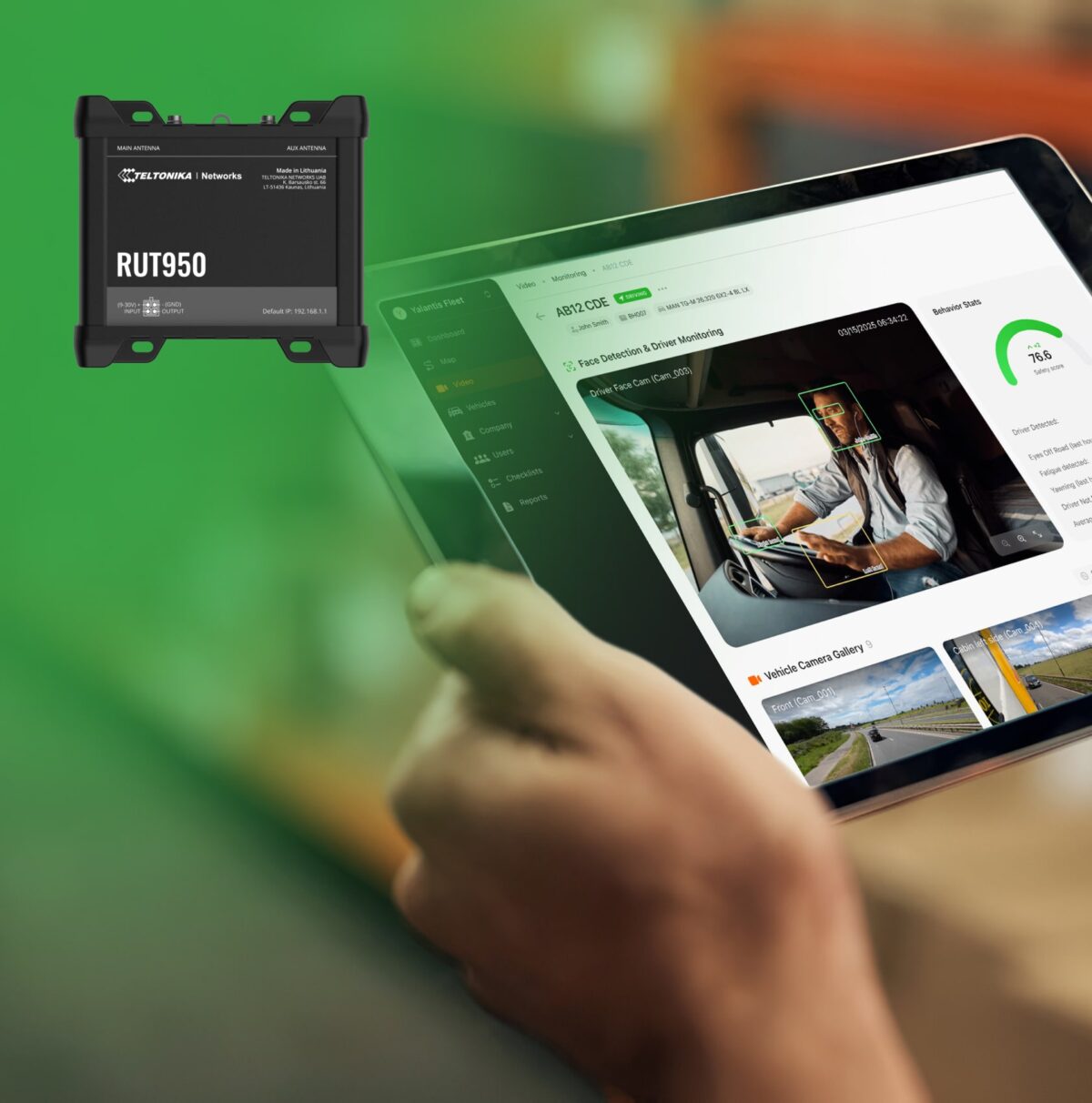
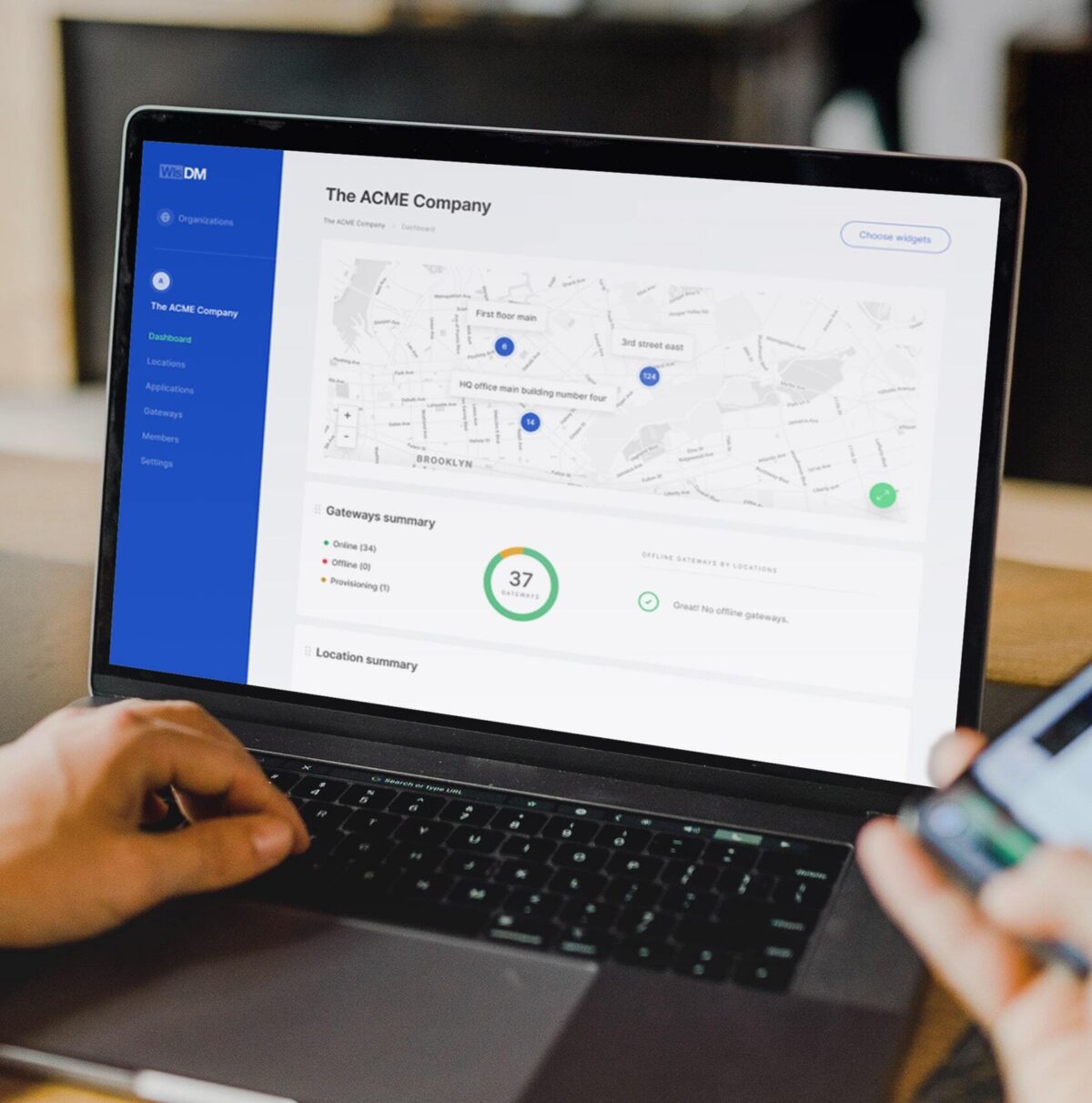
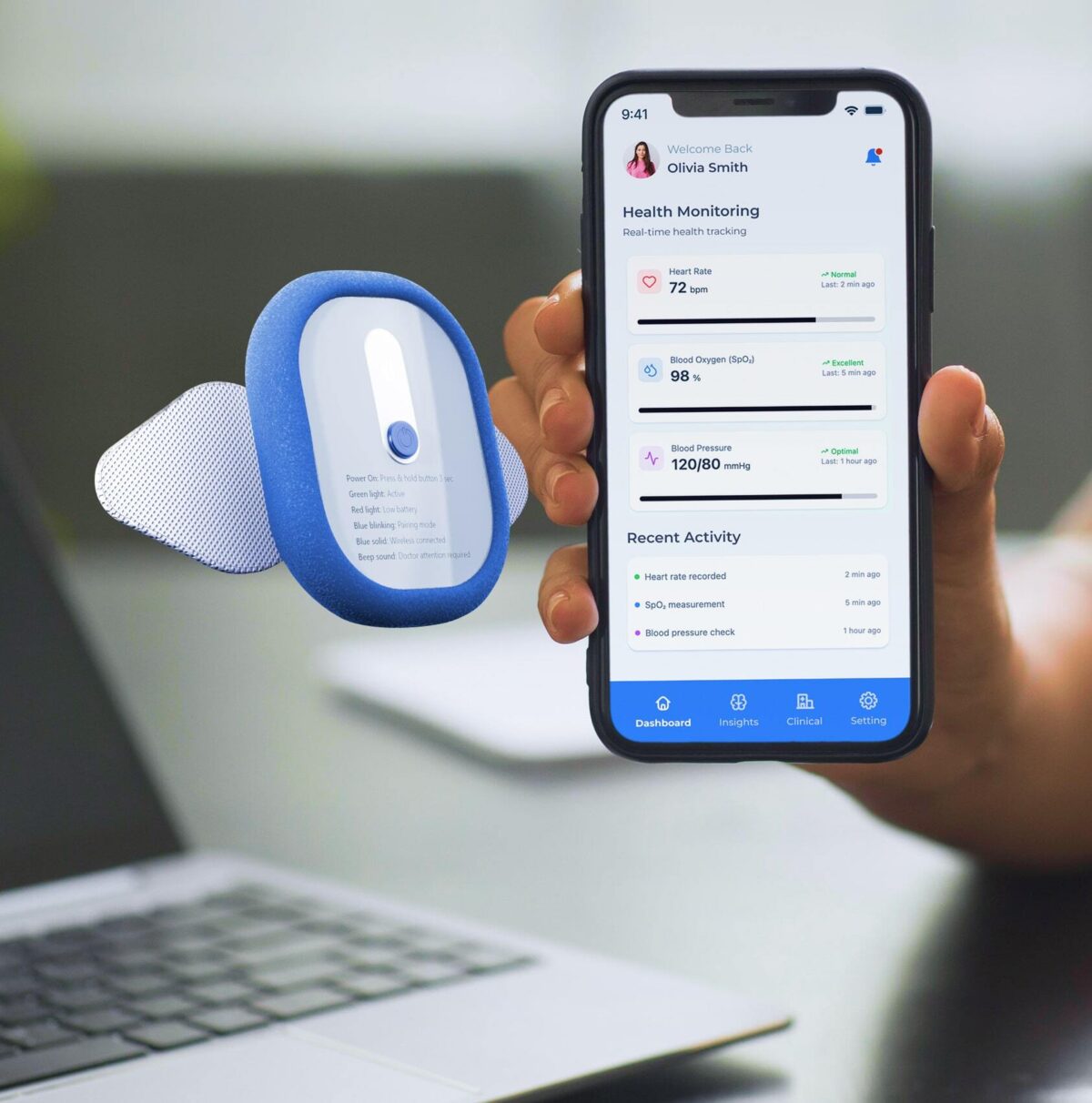

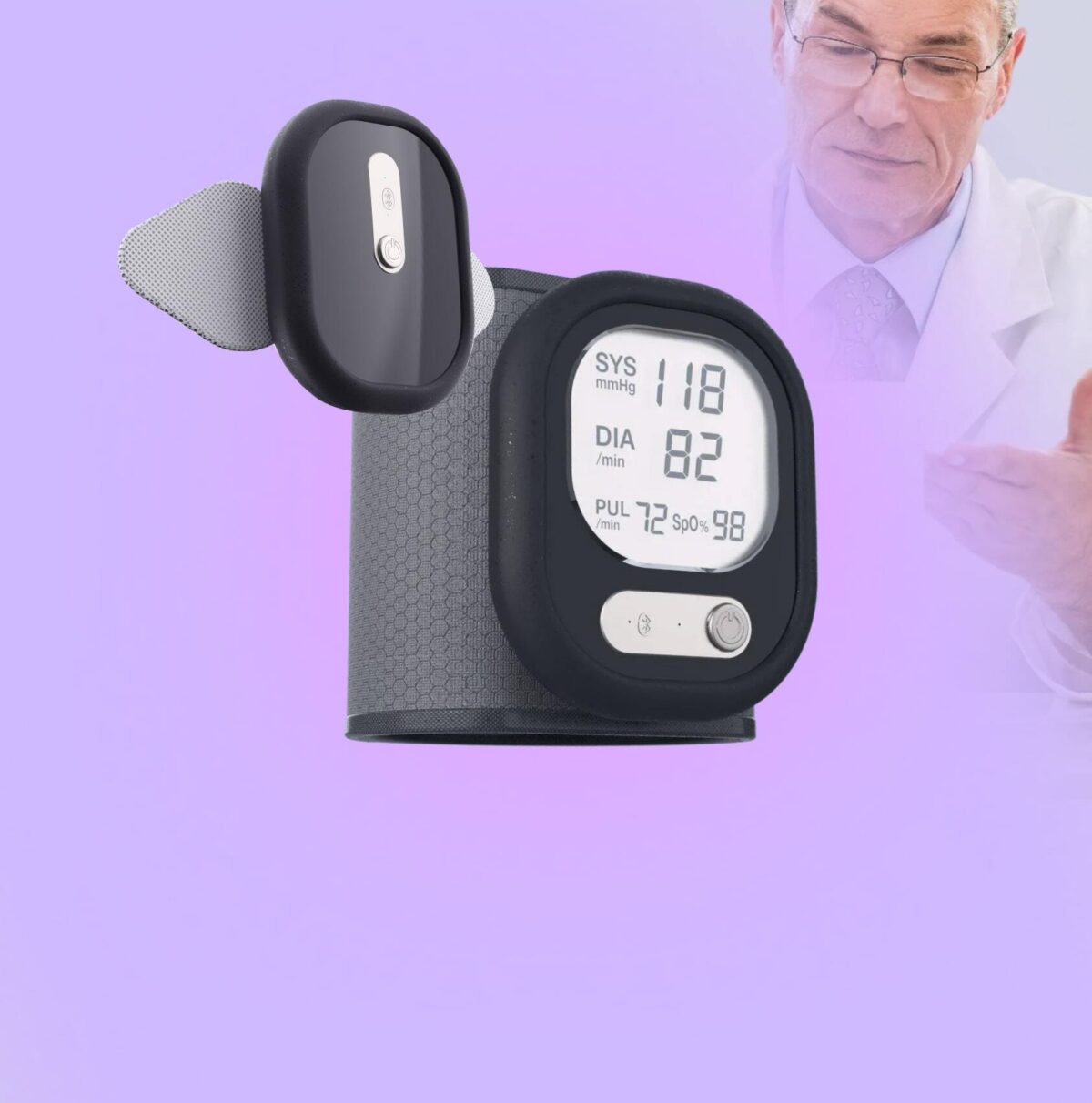
Firmware development services Yalantis provides
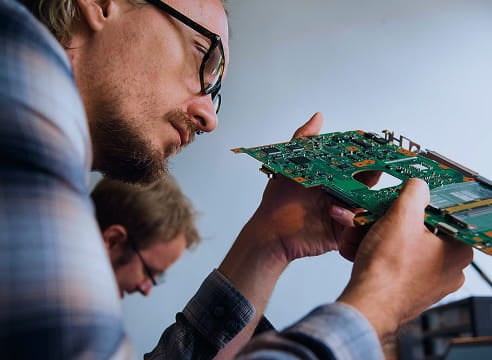
Firmware Engineering Services
Yalantis delivers powerful firmware that your hardware and application require.
- Operating System architecture design for firmware development
- Device prototyping and validation
- Firmware development in Rust, C, and C++ across complexity levels
Connectivity Firmware Development Services
We build stable communication layers for embedded systems operating in real environments.
- Peripheral integration (sensors, actuators, displays, engines, and communication modules)
- Communication protocol selection (Bluetooth, BLE, Wi-Fi, Zigbee, MQTT, LoRaWAN, NB-IoT, NFC).

RTOS Development
Yalantis ensures real-time performance and stability for firmware systems in time-sensitive applications
- Power efficiency optimization
- Firmware devices’ memory management.
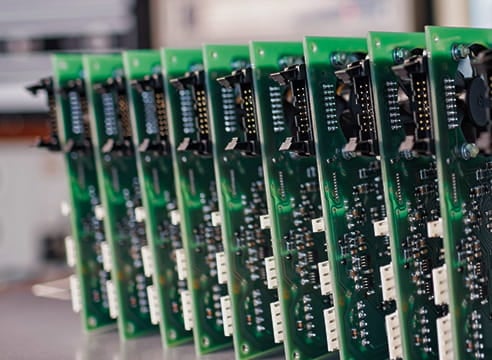
Device Drivers and Board Support Package
Our team provides reliable hardware-software interaction with optimized device drivers and BSPs tailored for firmware devices operating systems.
- Custom firmware device drivers development
- BSP Customization and adaptation.

Firmware Encryption and Secure Boot
We protect embedded devices from cyber threats with secure boot mechanisms and encrypted firmware solutions.
- Firmware security assessment and implementation
- Authentication and encryption implementation for operating systems
- Secure firmware update mechanisms.

Cloud and Mobile App Firmware Integration
Our experts connect firmware development, cloud platforms, and mobile apps with no extra hustle.
- Mobile App and Firmware Synchronization
- Cross-Platform Compatibility.
Over-the-Air Updates in Firmware Development
Yalantis helps you keep devices relevant with secure, remote firmware updates.
- Firmware update mechanisms development
- Cross-platform firmware compatibility implementation.
Explore more
Let’s build firmware your devices can rely on
We cover the entire firmware lifecycle, so your device can perform consistently in real conditions.

Benefits of custom firmware development with Yalantis

Proven experience with Rust firmware
As an embedded firmware development services provider, we have deep expertise in applying Rust’s memory safety, concurrency, and low-level control for businesses.
Fast time to market
Let the experienced firmware development company take care of your firmware-related challenges with fast results.
Complex solutions implementation
We dive into the needs of your exact firmware project and provide the best-fitting solution, with no fear of complexity due to our firmware development expertise.
Experience with niche-specific devices
From industrial controllers to medical devices, Yalantis has the expertise to make firmware reliable even for the most specific apps where errors are unacceptable.
Fast start with adapted ready-to-use modules
We use the library of tested infrastructure components to accelerate development while keeping them customized to fit your firmware requirements.
Long-run-ready firmware
We do firmware programming with flexibility in mind, so you can easily adapt your devices for future updates without a complete rewrite.
Your firmware development roadmap with Yalantis

Discovery and hardware analysis
Our team studies your device requirements and hardware constraints in the context of how the device will operate. We define how firmware should interact with sensors, connectivity modules, and external systems.
- Clear understanding of hardware limitations and capabilities
- Defined performance, power, and memory constraints
- Early identification of integration and compliance risks

Firmware architecture design
We design firmware architecture based on your device class and use case. The architecture defines the execution model, whether bare-metal or RTOS-based. It also sets how the device communicates and how updates are handled.
- Architecture tailored to your hardware and workload
- Defined communication between device, edge, and cloud
- Built-in support for OTA updates and diagnostics
- Modular codebase structure that supports future feature additions

Hardware validation and prototyping
Yalantis tests firmware on real hardware to confirm stable behavior under actual conditions. The team validates sensor interaction and checks communication reliability across supported interfaces. If the project requires to verify component choices, we build functional prototypes to test different options before a full-scale development begins.
- Verified sensor integration and data accuracy
- Stable communication across all supported interfaces
- Component and interface decisions validated on real hardware
- Early detection of hardware-related issues

Firmware development and integration
Our engineers implement device logic and control flows, then connect firmware with external systems. The focus stays on predictable behavior and efficient use of device resources.
- Predictable performance under constrained resources
- Continuous testing to prevent regressions
- Smooth integration with cloud or edge systems

Deployment and lifecycle support
We prepare firmware for production and set up secure OTA updates. Even after that our team supports devices in the field through monitoring and controlled updates.
- Secure OTA updates with rollback protection
- Remote diagnostics and issue resolution
- Version control across deployed device fleets
- Ongoing improvements without disrupting devices in operation




Testimonials from our clients








Firmware Development Insights

Articles
Building Firmware for Embedded IoT Devices: 2025 Best Practices
Find the top 6 best practices in firmware development for embedded IoT devices. Get insights on architecture, security, and optimization.

Articles
How to Prevent Firmware Vulnerabilities with Secure Boot and OTA Updates
Discover how to prevent firmware vulnerabilities and how to keep connected devices secure, compliant, and recoverable at scale.
Articles
How to migrate from C/C++ to Rust: A practical guide for embedded IoT systems
Discover how to migrate embedded C and C++ systems to Rust using one of the three migration strategies to make your project more reliable and compliant.
Compliance & Certifications
Certified:

27001 2022
9001 2015
13485
Partnered:

Raspberry Pi Design Partner

Advanced Tier Sevices
Amazon RDS Delivery
Advanced IoT Core Delivery

Technology Partner

Technology Partner

Technology Partner
Other services we work with
FAQ
-
Can you improve or modernize existing firmware?
Yes. Our team audits existing firmware, identifies bottlenecks, and improves stability, performance, and compatibility. We can also restructure firmware to support OTA updates and new features without requiring a full hardware redesign.
-
How do you ensure firmware stability in production?
We validate firmware on real hardware under expected operating conditions. The process includes stress testing, fault injection, and long-run stability checks. We also implement diagnostics and logging to maintain reliable firmware behavior after deployment.
-
Do you work with legacy or outdated hardware and firmware?
Yes. We work with legacy MCUs and constrained environments where hardware cannot be replaced. Our team audits existing firmware, stabilizes critical components, and improves performance without breaking compatibility.
When needed, we refactor parts of the system or introduce low-level firmware improvements to extend device lifespan. We can also prepare legacy systems for OTA updates and gradual modernization as part of broader firmware development solutions.
-
How do you prevent devices from breaking during firmware updates?
We design OTA mechanisms with rollback support and staged rollouts. Firmware is validated before deployment and monitored during updates. If an issue occurs, devices automatically revert to a stable version, which protects hardware devices from becoming unusable.
-
What are the main risks in firmware projects, and how do you handle them?
Most failures come from unstable hardware integration, poor memory management, or unsafe update logic. We reduce these risks through early hardware validation, controlled resource usage, and structured firmware development process that includes real-device testing before release.
-
How do you ensure firmware works reliably in real environments, not just in tests?
We test firmware on actual devices under expected operating conditions, including unstable connectivity, temperature changes, and long runtimes. This approach ensures reliable firmware behavior outside controlled lab environments.
-
How do you design firmware for devices with limited memory and power?
We build low-level firmware that operates within strict memory and power constraints. That includes efficient scheduling, optimized memory usage, and controlled peripheral access to maintain stable device performance over time.
-
Can firmware be updated after devices are deployed in the field?
Yes. We implement secure OTA pipelines that allow controlled updates without physical access. These updates include validation, version control, and rollback mechanisms as part of long-term firmware development solutions.
-
What is your tech stack for firmware design and development?
We use Rust, C, and C++ to deliver robust, high-performance firmware tailored to each device. As a firmware design company, we’ve built a strong track record helping clients bring secure and scalable solutions to life. Our firmware design services cover everything from low-level hardware control to full system integration. We often work with platforms like STM32, ESP32, and NRF52, and support protocols like BLE, Zigbee, and LoRaWAN, depending on what your product needs.
How to get started with IoT development
- Set up a free call with our experts
- Tell us more about your project
- Receive a proposal
- We start building your solution
Welcome to Yalantis, please fill out the form and we’ll get back to you.

Thank you for contacting us.
Keep an eye on your inbox. We’ll be in touch shortly
Meanwhile, you can explore our hottest case studies and read
client feedback on Clutch.