


We take your IoT product idea into a market-ready, certified device. From PCB design and Rust-powered firmware to cloud platforms and regulatory certification, one team covers every stage of the hardware-to-cloud journey.

18+
Years in IoT
engineering
70+
End-to-end
IoT deployments
ISO
9001 & 27001
certified
Considering Rust for your embedded IoT system?
We are recognized among the Top 10 companies for Rust expertise. Our teams use Rust to build safer, faster, and more reliable firmware for connected devices.
Our IoT product development services
Hardware design & prototyping
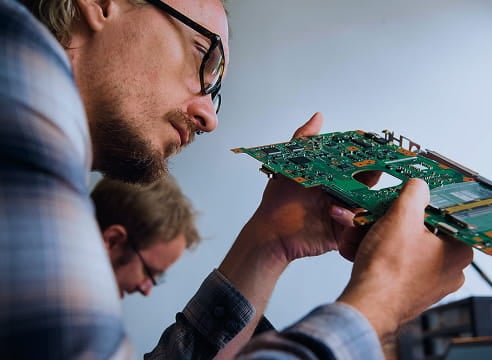
We design custom hardware from scratch: component selection, schematic design, PCB layout, and functional prototype assembly. Every hardware development project is optimized for manufacturability, reliability, and cost. We validate your concept with working prototypes before committing to production tooling.

Embedded firmware development (Rust, C/C++)
Our firmware engineers write robust embedded software that controls device behavior, manages power, processes sensor data, and handles communication protocols (BLE, Wi-Fi, LoRaWAN, Zigbee, cellular). We build in Rust for memory-safe, high-performance firmware and support C/C++ for legacy and constrained environments. All firmware undergoes rigorous testing on real hardware.

IoT cloud platform & backend development
We build cloud-native backends on AWS IoT Core, Azure IoT Hub, or Google Cloud that handle device provisioning, telemetry ingestion, OTA firmware updates, and real-time monitoring. Architectures are designed for scalability, supporting anywhere from 100 devices to 100,000+.
Mobile & web application development
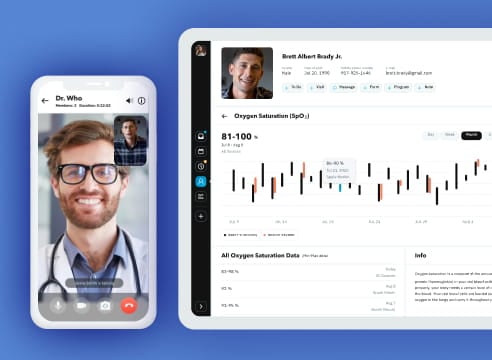
We design and build the interfaces your customers and operators will use: mobile apps (iOS/Android), web dashboards, and admin panels. These connect to the cloud backend via APIs for device control, data visualization, alerting, and fleet management.

Certification & compliance support
We design with compliance from day one and guide you through regulatory approvals: FCC, CE, FDA (for medical IoT), ISO 13485, IEC 62443, and more. Our team prepares technical documentation, runs pre-compliance testing, and manages submissions. 90% first-pass approval rate on FDA and CE submissions we support.

Manufacturing support & production transition
We bridge the gap between development prototype and mass production. This includes DFM (Design for Manufacturability) reviews, BOM optimization, vendor selection, pilot run supervision, and quality assurance processes so your device is production-ready.
Explore more
Common challenges in IoT product development

Getting from prototype to production-ready device
Many companies can build a working prototype but struggle with the gap between that and a device ready for manufacturing at scale. PCB optimization, component sourcing, DFM reviews, and vendor coordination require a different set of skills than prototyping does.
Meeting certification requirements without delays
FCC, CE, FDA, ATEX: each certification has its own documentation, testing, and submission process. Teams that treat compliance as a final step often face rework that pushes timelines by months. Building for certification from the start avoids that.
Coordinating hardware, firmware, and software under one roof
When hardware, firmware, and cloud development are handled by separate vendors, integration becomes the bottleneck. Misaligned timelines, incompatible interfaces, and duplicated QA efforts slow everything down and increase cost.
Choosing the right connectivity and architecture for your use case
BLE, Wi-Fi, LoRaWAN, cellular, Thread: each protocol has different trade-offs around range, power consumption, bandwidth, and cost. The wrong choice early on can mean redesigning the device later.
Keeping firmware secure and maintainable long-term
Legacy C/C++ firmware is prone to memory vulnerabilities that account for the majority of security breaches in IoT devices. As the device fleet grows, maintaining and updating firmware safely becomes increasingly difficult without the right architecture and tooling.
Scaling from a single device to a managed fleet
A product that works as a standalone prototype behaves very differently when you have thousands of devices in the field. Device provisioning, OTA updates, monitoring, and fleet-wide configuration need to be planned for from the beginning.
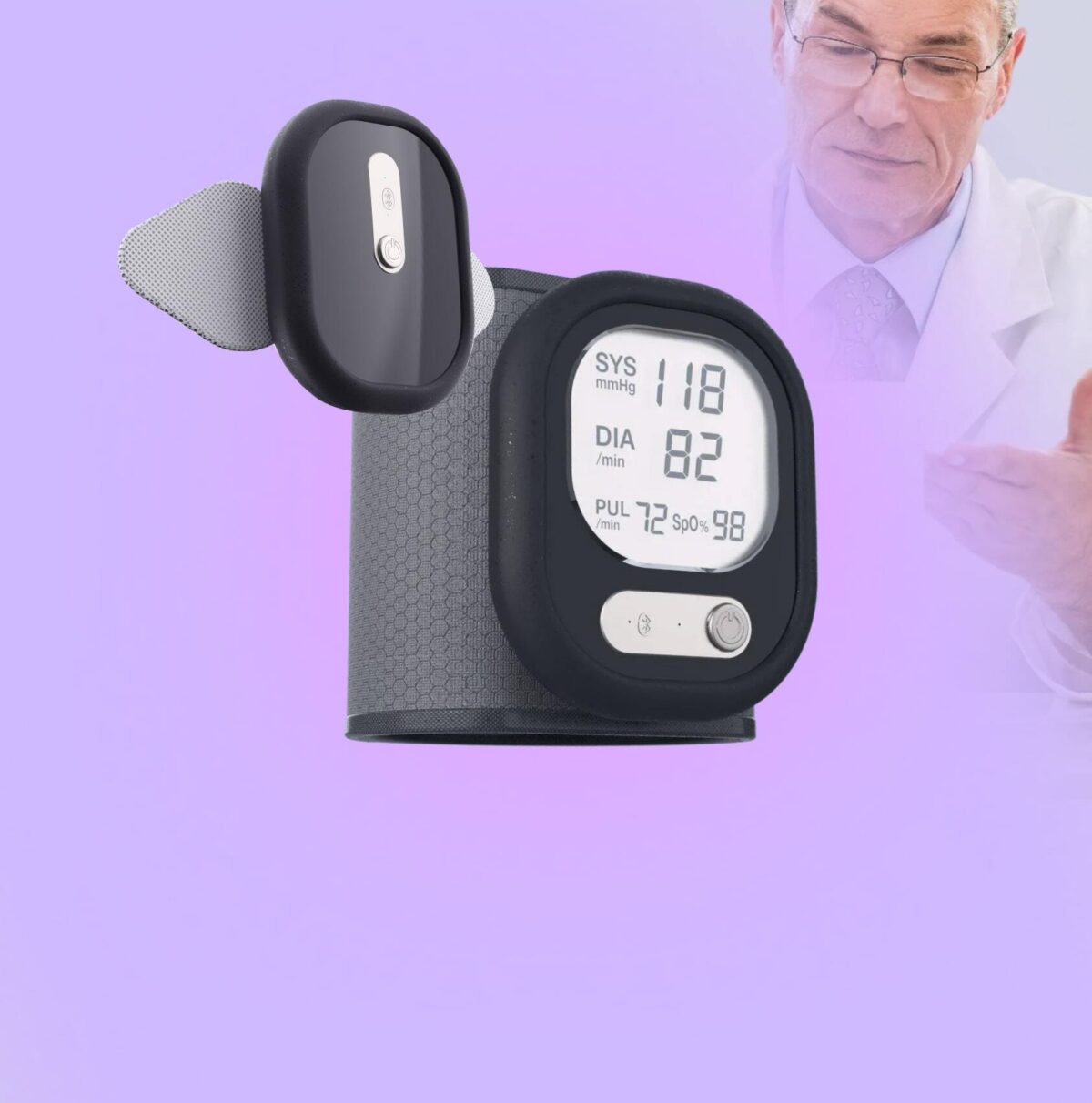
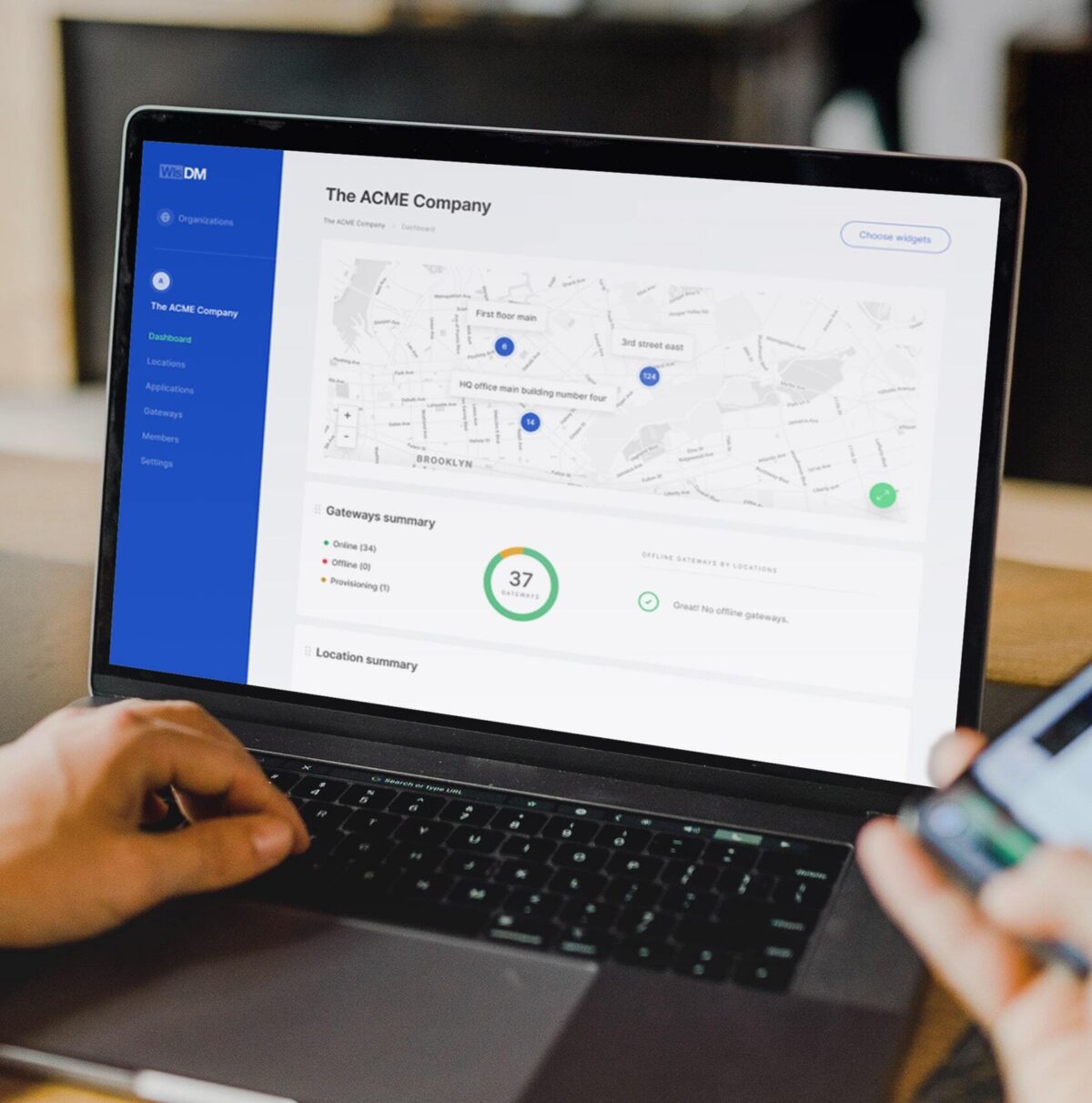
From idea to certified product. Here’s how it looked.
Every project below had its own constraints, whether regulatory, environmental, or technical. What they share is deep IoT product engineering expertise applied across the full product stack, from custom hardware and firmware to cloud platforms and compliance.









Why choose Yalantis as your IoT product development company
Full-cycle IoT product expertise, not just software
Most IoT vendors handle either hardware or software, not both. We cover the entire product journey under one roof, from PCB design and firmware to cloud, mobile apps, certification, and manufacturing support. There are no handoffs between agencies. One team owns your product from concept to production, and that is what makes Yalantis a leading IoT product development partner.
Deep Rust expertise for safer, faster firmware
We are recognized among the Top 10 companies for Rust expertise. Rust eliminates memory vulnerabilities, which remain the leading cause of security breaches in embedded systems, while delivering deterministic real-time performance and lower defect rates. For teams running legacy C/C++ firmware, we also help migrate to Rust incrementally, one module at a time.
ISO 9001, ISO 27001 & ISO 27701 certified
Our quality management, information security, and data privacy practices are independently audited and certified. For healthcare IoT, we align with ISO 13485, IEC 62304, and FDA/CE requirements. In practice, this means every project follows documented, auditable processes from day one, not just on paper.
40+ IoT deployments across regulated industries
We have delivered end-to-end IoT products in healthcare, logistics, automotive, industrial manufacturing, defense, and smart building. Global leaders like RAKwireless, Toyota Tsusho, and Bosch trust us with complex engineering challenges. Behind that track record: 17+ years of product engineering and a team of 400+ engineers.
Rapid team scaling with low attrition
You can scale your R&D team in 2 to 4 weeks. Our 18% attrition rate, well below the industry average, means the people who learn your product stay on the project. That translates to consistent knowledge retention and delivery continuity throughout long-term engagements. We offer flexible models: dedicated team, team augmentation, or full managed product delivery.
Unlock next-generation IoT performance
Join the 35+ companies already transforming their operations with our IoT expertise and full-cycle development approach.
Our IoT product development process

IoT product strategy & consulting
Before any engineering begins, we assess your product idea and evaluate technical feasibility. This IoT product development consulting phase maps regulatory requirements and delivers a development roadmap with budget estimates.

Device specification & requirements engineering
Once the strategy is set, we work with your team to define what the device needs to do. That covers performance, power constraints, connectivity (BLE, Wi-Fi, LoRaWAN, cellular), environmental conditions, and compliance targets.

Hardware prototyping & validation
With specs locked in, we select components, design an initial circuit, and assemble a working prototype. The goal is to catch issues early, when fixes cost a fraction of what they would in production.

PCB design & DFM optimization
After the prototype is validated, our hardware engineers create production-grade PCB designs with full schematics, layouts, and Gerber files. DFM reviews at this stage confirm the design is ready for manufacturing handoff.

Firmware & embedded software development
In parallel with PCB work, we write embedded software in Rust or C/C++ that handles communication protocols, power management, sensor interfaces, OTA updates, and security. All firmware is tested on actual hardware.

Cloud, mobile & web application development
Next comes the software layer that connects your devices to users: backends, APIs, mobile apps, and web dashboards for device management and data visualization. This includes integration with your existing systems like ERP, CRM, or MES.

Certification, compliance & market launch
When the product is ready, we prepare technical documentation, run pre-compliance testing, and manage submissions for FCC, CE, FDA, and industry-specific certifications. From there, we support the move from prototype to pilot production.



Testimonials from our clients





Technologies we work with
Technologies:
Rust

C
C++
FreeRTOS

Kotlin

AWS IoT Core

Zephyr RTOS

LoRaWAN

MQTT

Azure IoT Hub

Google Cloud IoT

Sparkplug B
BLE

Wi-Fi

Zigbee

Thread

NB-IoT
LTE/5G

Modbus

OPC UA
Swift

React

Node.js
Python

Altium Designer

KiCad

TensorFlow Lite
Compliance & certifications

ISO/IEC 2700: Information Security
Certified ISMS ensuring your IoT infrastructure and device data are protected by internationally recognized security controls and continuous improvement processes.
ISO/IEC 27701: Privacy Management
Privacy information management certification demonstrating GDPR compliance and data protection best practices, critical for IoT products that process personal or health data.
ISO 13485: Medical Device Quality
Quality management system certification for connected medical device development, enabling FDA-regulated IoT software and compliant DevOps pipelines for healthcare products.
IEC 62443: Industrial Cybersecurity
Industrial automation security expertise ensuring OT environments, SCADA systems, and connected manufacturing equipment meet the cybersecurity requirements of critical infrastructure operators.
HIPAA Compliance
Healthcare data protection expertise enabling IoT pipelines that handle Protected Health Information (PHI) with appropriate encryption, access controls, and audit logging.
ISO 9001: Quality Management
Our foundational quality certification ensures that every IoT project, regardless of industry, is delivered through structured, repeatable engineering processes that minimize defects and rework.
HIPAA, GDPR, FDA, MDR Readiness
Beyond certifications, we maintain operational readiness for HIPAA, GDPR, FDA, and MDR audits. Regulatory compliance is built into our DevOps pipelines and architecture decisions, so your product is audit-ready at every stage of development.
IoT product development insights

Articles
How to Build an IoT Device in 2026: A Full-Cycle Guide
Full-cycle guide walks you from hardware and firmware through connectivity, cloud, and the compliance work that decides whether a connected product ships or stalls.

Articles
How to Build a High-Quality IoT Medical Device (MIoT)
Learn what’s under the hood of the innovative IoT medical devices and how high-quality prototyping, design, quality assurance, and compliance with rigorous regulations define the future of your product.

Articles
How Manufacturers Use IoT for Predictive Maintenance
Learn about the benefits of Internet of Things predictive maintenance for large manufacturers and how a web application can increase its effectiveness.
Explore related services
FAQ
-
What are the stages of IoT product development?
Our process typically follows seven stages: product strategy and consulting, device specification, hardware prototyping, PCB design with DFM optimization, firmware development, cloud and app development, and finally certification with market launch support. Not every project needs all seven. Some clients come to us with a validated prototype and need help from firmware onward, while others start with just an idea. We shape the process around where you are. That flexibility is core to how we approach IoT product development services.
-
How much does IoT product development cost?
IoT product development costs depend on hardware complexity, firmware requirements, compliance needs, and software scope. A straightforward connected device might start around $50K to $100K for an MVP. More complex products, especially those requiring FDA or ATEX certification and custom PCB design, typically range from $150K to $500K or more. We provide a detailed estimate after a discovery session where we map out requirements and identify risks together.
-
How long does a typical IoT product development project take?
Most IoT products reach initial deployment in 4 to 8 months. Simpler monitoring devices can be ready in 3 to 4 months, while comprehensive systems with custom hardware, multiple device types, and regulatory certification can take 10 to 12 months. We work incrementally, so you can start validating with real users before the full product is complete.
-
What certifications do you hold for IoT product development?
As a company, Yalantis holds ISO 9001 (quality management), ISO 27001 (information security), and ISO 27701 (data privacy) certifications. When it comes to product certifications, we help our clients obtain the ones their product requires. That includes FCC, CE, FDA Class I and II, ATEX, and alignment with standards like ISO 13485, IEC 62304, and IEC 62443. So far, we have supported 50+ FDA and CE submissions with a 90% first-pass approval rate.
-
What industries benefit most from custom IoT product development?
We see the strongest demand in healthcare, industrial manufacturing, logistics, and automotive. These are industries where off-the-shelf devices rarely meet the specific requirements around compliance, environmental conditions, or integration with existing systems. That said, we also work in smart building, agriculture, and defense, where custom hardware and firmware make a meaningful difference. In every case, our IoT product engineering services are shaped around the specific product requirements and compliance standards of the industry.
-
How do you ensure security in IoT product engineering?
Security is part of the architecture from the start, not something we add at the end. On the device side, that means secure boot, firmware signing, and encrypted communication (TLS/DTLS). In the cloud, we use certificate-based device authentication, role-based access control, and secure OTA update pipelines. Where possible, we write firmware in Rust, which eliminates entire categories of memory vulnerabilities at compile time. Yalantis itself is ISO 27001 certified, so our own development processes follow strict information security protocols as well.
-
Do you provide IoT product design and prototyping services?
Yes, and this is actually where most of our projects begin. Our hardware engineers handle the full prototyping cycle in-house: component selection, schematic design, PCB layout, and functional prototype assembly. We test and iterate until the prototype validates your concept, and only then move into production-grade design and certification. Our IoT product design services help companies validate concepts quickly and reduce risk before committing to full-scale product launch.
-
Can you integrate our existing systems with the new IoT product?
Yes. Our team will assess your current infrastructure, whether that includes ERPs, CRMs, MES platforms, or legacy equipment, and develop custom APIs and middleware for bidirectional data flow. In healthcare, we also have experience integrating with EHR systems like Epic and Cerner via HL7 standards.
-
Do you provide ongoing maintenance and support after the product is deployed?
We do. Our post-deployment support covers proactive monitoring, regular firmware and software updates, security patches, and technical support. Depending on your needs, you can choose anything from a part-time bug-fix retainer to a full-time dedicated support team.
How to get started with IoT product development
Leave your info and a few words about the project. We’ll review it and reach out to book a call.
Welcome to Yalantis, please fill out the form and we’ll get back to you.

Thank you for contacting us.
Keep an eye on your inbox. We’ll be in touch shortly
Meanwhile, you can explore our hottest case studies and read
client feedback on Clutch.