

We engineer HIPAA-compliant healthcare software that streamlines clinical workflows, ensures seamless interoperability, and drives patient outcomes. From scalable SaaS architectures to engineering AI-driven digital health platforms, our teams deliver secure, scalable, and audit-ready solutions.
Healthcare Software Development Services





Trusted by healthcare innovators worldwide
See how we help healthcare businesses turn big ideas into products that actually work.





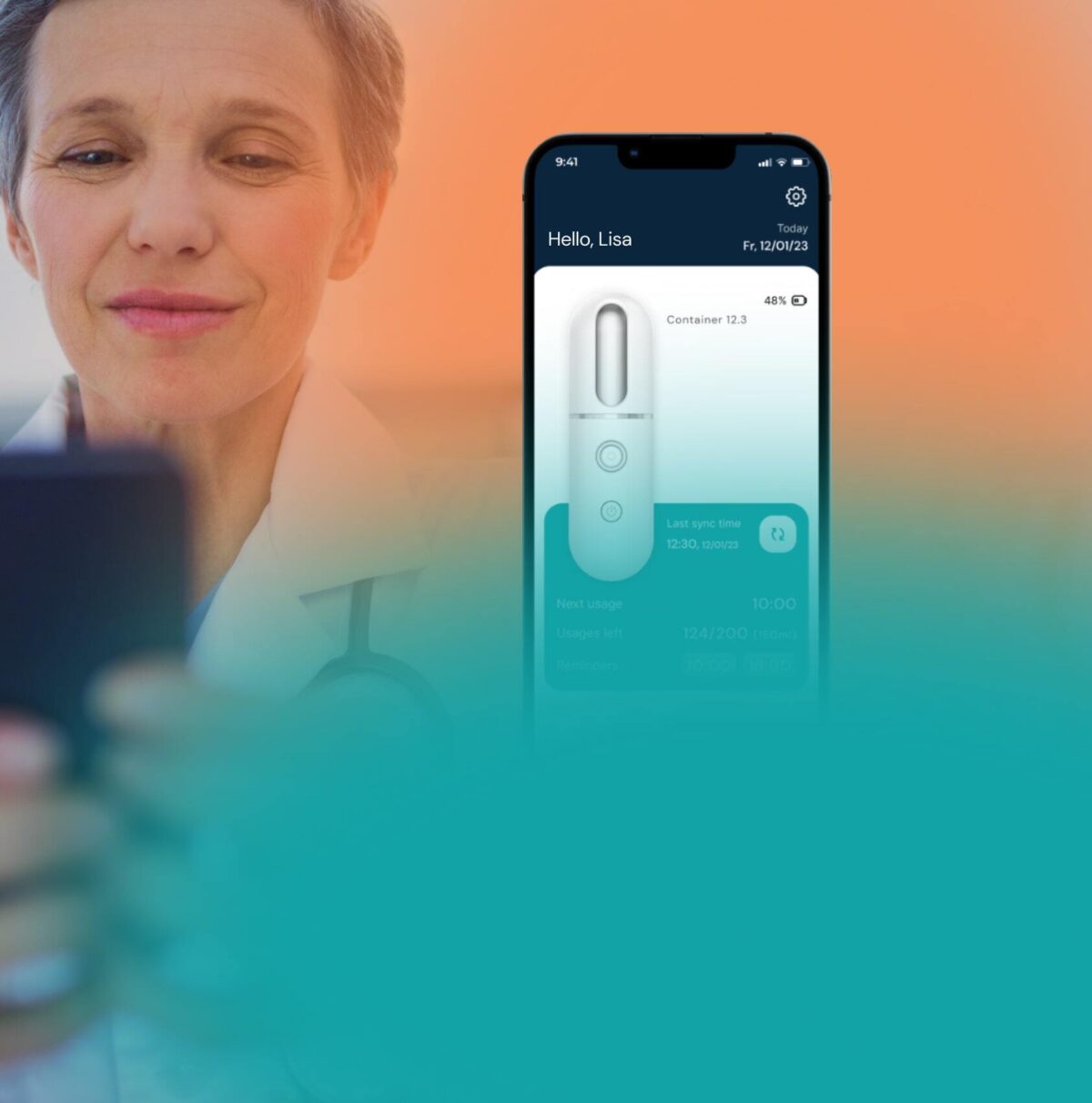
Our services:
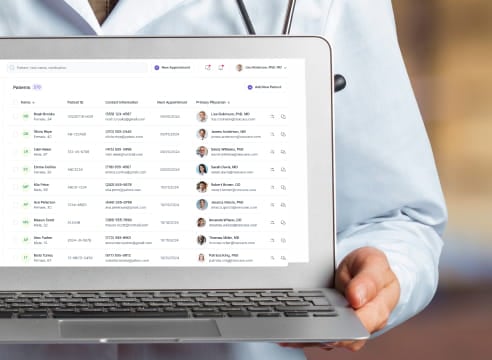
SaaS healthcare platform development
We deliver scalable healthcare SaaS solutions for high-growth product companies, onboarding hundreds of clinics from a single codebase.
- Architect multi-tenant cores to scale without bottlenecks
- Implement white-label logic for B2B client branding
- Automate subscription billing to streamline revenue
- Embed AI-driven analytics for actionable business insights
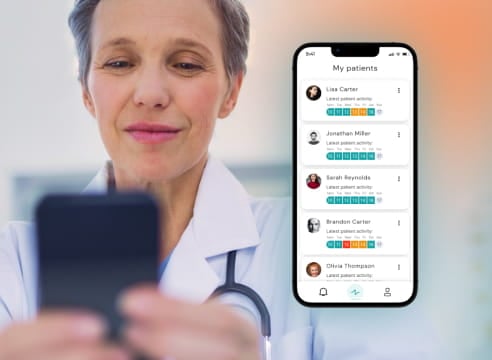
Medical mobile apps & patient portals
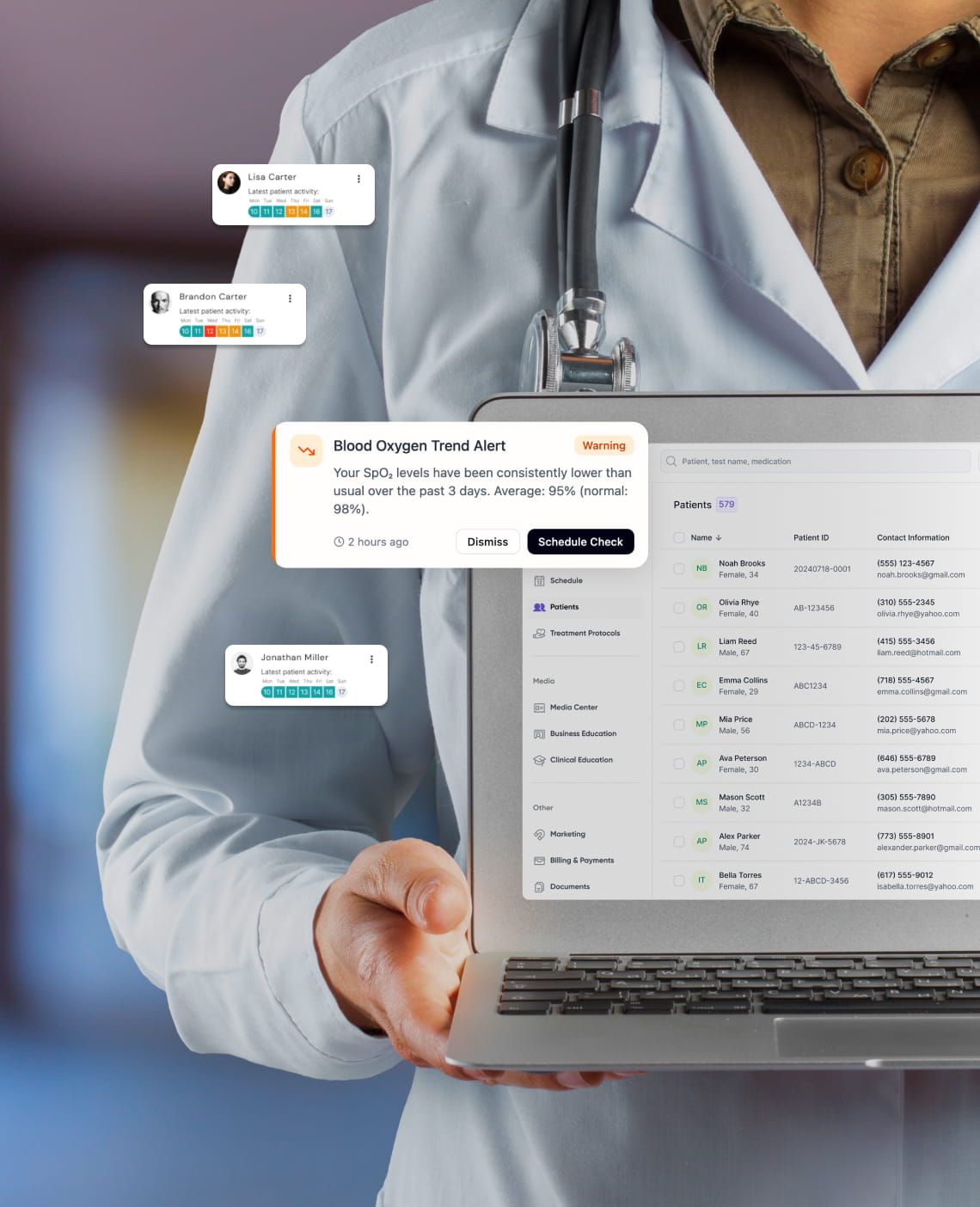
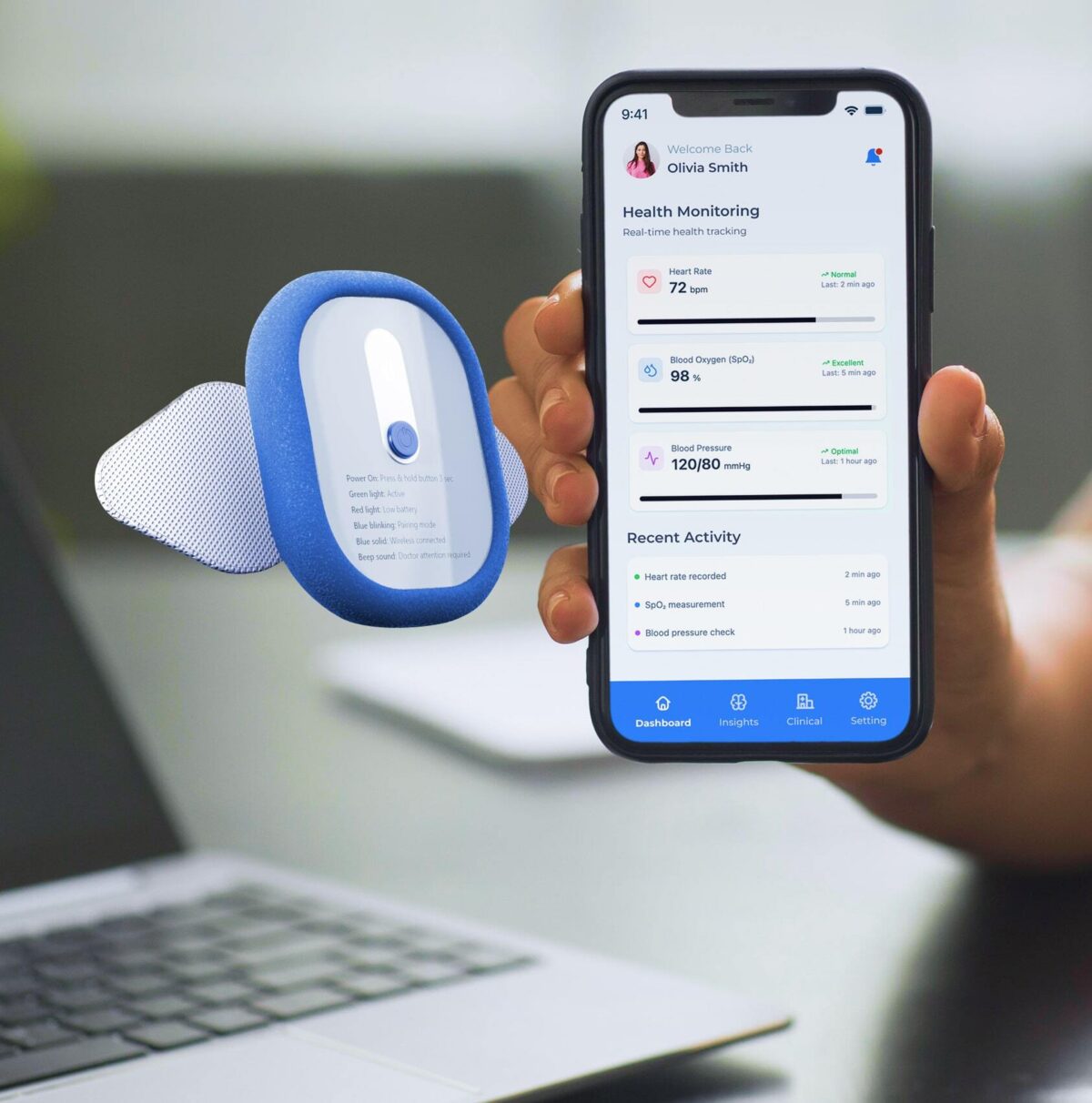
Our healthcare application development services create the “Digital Front Door” for your ecosystem, aggregating IoT data and driving user retention.
- Develop cross-platform apps to reduce time-to-market
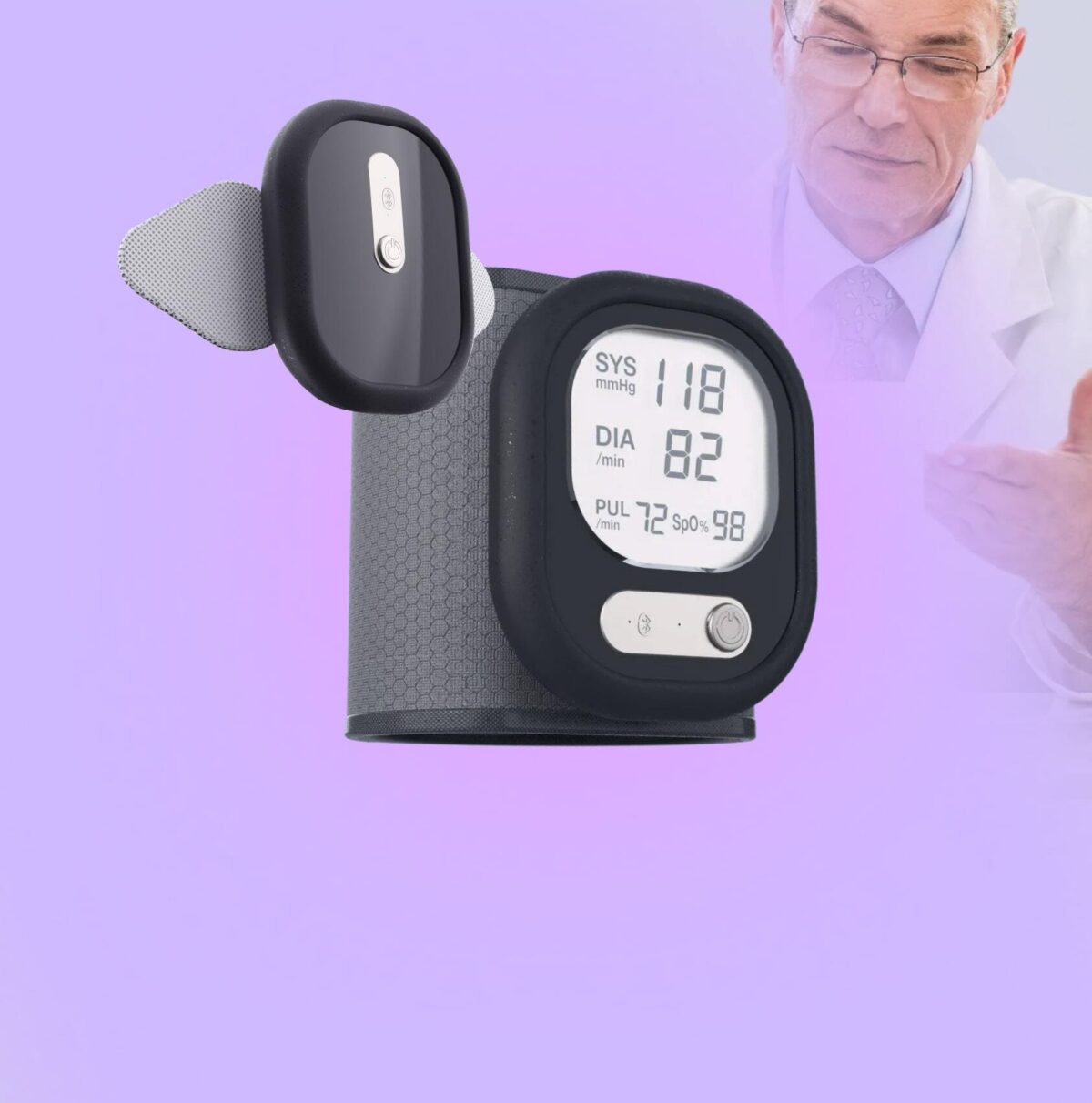
- Aggregate IoT data via BLE for remote monitoring
- Integrate AI assistants for 24/7 administrative support
- Visualize health metrics to drive patient adherence

Custom EHR & EMR system development
We provide custom healthcare software development services for niche EHR providers, engineering the connectivity layer for the global ecosystem.
- Architect FHIR-native systems for seamless data flow
- Integrate SMART on FHIR to launch apps within hospital EHRs
- Connect e-Prescribing modules for pharmacy orders
- Embed AI-based clinical decision support to flag interactions
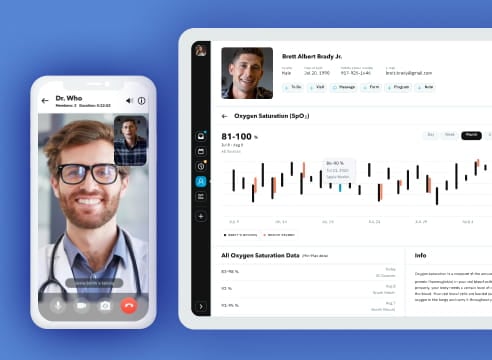
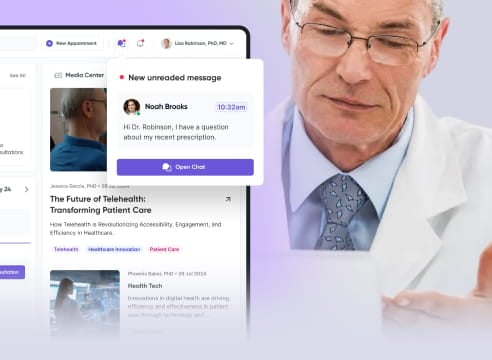
Telemedicine & virtual care ecosystems
We offer healthcare solution development services for end-to-end virtual care, combining diagnostics and billing with low latency and high reliability.
- Optimize WebRTC streams for HD video diagnostics
- Deploy AI symptom checkers to assist in patient triage
- Enable asynchronous care to scale provider capacity
- Integrate GenAI scribes to draft clinical notes
End-to-end practice management software
We build healthcare software development solutions that centralize administrative workflows, eliminating manual errors and optimizing resource allocation.
- Sync real-time inventory to prevent supply shortages
- Optimize workforce planning with AI algorithms
- Digitize intake workflows to reduce administrative friction
- Generate operational analytics to visualize performance

Revenue cycle management software
We specialize in healthcare software product development for financial engines, automating claims and payments to maximize revenue capture.
- Scrub claims with AI to detect coding errors pre-submission
- Automate eligibility verification to reduce overhead
- Streamline denial management workflows to accelerate cash flow
- Predict reimbursement trends using historical data

Healthcare AI integration & consulting
We implement secure, value-driven AI strategies. We fine-tune models on de-identified data to prevent hallucinations and ensure safety.
- Fine-tune LLMs on de-identified clinical data for accuracy
- Implement MLOps pipelines for model reproducibility
- Structure unstructured data using IDP algorithms
- Audit AI models for bias and hallucination risks

Healthcare compliance & security strategy
We treat healthcare software solutions development as a security-first process, implementing DevSecOps pipelines for HIPAA and ISO 27001 readiness.
- Automate audit logging to track every data access event
- Encrypt PHI end-to-end to guarantee data privacy
- Scan for vulnerabilities continuously within CI/CD pipelines
- Prepare technical documentation for security questionnaires
Explore more
Get a technical roadmap for your healthcare product
We provide a detailed execution plan to transform your vision into a technically viable, audit-ready solution.
Technologies we work with
Swift
Kotlin

Flutter

Node.js

.NET

Ruby on Rails
Java
Python

React.js

Angular

AWS

Google Cloud

Microsoft Azure

Apache Kafka

PostgreSQL

MongoDB

HL7 / FHIR
How we work

Strategy & Roadmapping
This foundational phase aligns the project with your core business objectives. We collaborate with stakeholders to define a clear vision, perform a cost-benefit analysis, and prioritize key features. The result is a strategic roadmap that outlines the project’s scope, goals, and timeline, ensuring everyone is working towards the same target.

Product Design & Discovery
Here, we dive deep into defining the product itself. Our team details functional requirements, analyzes the target audience and competitors, and conducts a thorough risk assessment. This discovery process ensures the final solution is designed to solve the right problems for the right users and stand out in the marketplace.

Architecture & Technical Design
With a clear product vision, our architects create the technical blueprint. We design a robust and scalable system architecture, select the optimal technology stack (frameworks, platforms), and analyze technical trade-offs. This step builds a future-proof foundation that ensures your application is secure, efficient, and ready for growth.

Development & Implementation
This is where the design becomes a tangible product. Our engineering specialists often begin with rapid prototyping and building a Minimal Viable Product (MVP) to validate concepts. Following this, we manage the full development cycle, writing clean, efficient code to bring all planned features to life according to the established architecture.

Testing, Deployment & Support
Before launch, the software undergoes rigorous quality assurance testing to ensure flawless performance and reliability. We then handle the complete deployment process, including cloud migration if needed. After launch, we provide ongoing support and maintenance to ensure your solution remains secure, updated, and operates smoothly.
What our clients say









Why partner with Yalantis

Proven track record in regulated healthcare
We deliver complex digital health platforms and enterprise-grade software solutions, leveraging 15+ years of experience in safety-critical environments. We understand that for software serving millions of patients, downtime or data breaches are not an option.
Advanced technology & cloud expertise
From memory-safe Rust for high-performance backends to scalable serverless architectures. We ensure 99.99% uptime and solve high-load challenges for multi-tenant SaaS platforms that generalist dev shops cannot handle.
Specialized healthcare engineering teams
Scale your R&D in 2-4 weeks with engineers who already understand clinical workflows, HL7/FHIR standards, and CPT codes. We eliminate the learning curve, ensuring critical domain knowledge remains consistent throughout the lifecycle.
Audit-ready security & compliance
An ISO 13485 and ISO 27001 certified partner. We align your product with HIPAA, GDPR, SOC 2, and FDA standards from day one, implementing “Compliance-as-Code” to streamline future audits and market entry.
End-to-end ecosystem synergy
We bridge the gap between fragmented systems. Unifying patient mobile apps, cloud backends, and legacy EHR integrations into a seamless, interoperable healthcare ecosystem that data flows through without friction.
Engineered for business growth
Maximize value by optimizing cloud unit economics and software TCO. We ensure your product makes business sense, focusing on scalable architecture that supports rapid user growth and investor due diligence.
Insights into medical software development

Articles
How HIPAA Relates to Healthcare Laws and Regulations Across Canada, the UK, Australia, and MENA
Find out the key differences in healthcare laws in the US, Canada, the UK, Australia, and MENA countries.

Articles
E-prescription app development: how to make your system efficient
Check out how you can develop e-prescription (eRx) software that is smart, user-friendly, and HIPAA-compliant in our guide to e-prescribing app development.

Articles
How to implement health risk assessment functionality in an EHR system
Need to implement effective healthcare risk assessment functionality? We’ll provide you with the latest practices, useful tools, and tips on what to focus on.
FAQ
-
How do you ensure HIPAA compliance in medical software development?
As a trusted healthcare software development company, Yalantis implements “Security by Design.” This involves end-to-end encryption (AES-256) for data at rest and in transit, secure authentication (MFA/OAuth), and automatic session logouts. Administratively, we sign Business Associate Agreements (BAAs), conduct regular vulnerability scanning, and maintain comprehensive audit logs of all data access. Every line of code is reviewed by our healthcare software developers to respect patient privacy and meet regulatory standards.
-
Can you integrate new software with our existing legacy EHR?
Yes, integration is one of our core competencies. We use industry standards like HL7 v2/v3, FHIR, and DICOM to connect modern applications with legacy systems like Epic, Cerner, or Allscripts. If standard APIs are unavailable, we build custom middleware or use interface engines (like Mirth Connect) to facilitate secure data exchange without disrupting your current clinical operations.
-
What technologies are best for a telemedicine platform?
For real-time video, WebRTC is the industry standard due to its low latency and browser compatibility. For the backend, scalable technologies like Node.js or Go handle concurrent connections efficiently. We recommend cloud infrastructure (AWS or Azure) for reliability and auto-scaling. Mobile apps built on React Native or Flutter ensure a high-quality patient experience across both iOS and Android. TURN/STUN servers are critical for establishing secure peer-to-peer connections.
-
Do you support FDA submission for Software as a Medical Device (SaMD)?
Yes, we support clients through the FDA 510(k) or De Novo submission pathways. Our development process aligns with IEC 62304 standards for medical device software. We assist in generating required technical documentation, including software requirements specifications (SRS), architectural design, risk management files (ISO 14971), and verification/validation reports, ensuring your software is audit-ready.
-
How long does it take to build a custom healthcare solution?
A prototype or MVP typically takes 3-4 months. A fully featured, compliant platform takes 6-12 months. Factors extending the timeline include complex EHR integrations, extensive clinical validation, or rigorous regulatory certification processes. We use Agile methodologies to deliver incremental value, allowing you to launch core features faster while we continue building out the full ecosystem.
-
What happens after the software is launched?
Healthcare software requires ongoing care. We offer comprehensive post-launch support including system monitoring, security patching, compliance updates as regulations change, and feature expansion based on user feedback. We also manage cloud infrastructure to ensure optimal performance and cost-efficiency as your user base scales.
Let’s Start from call scheduling
- Schedule a call
- We collect your requirements
- We offer a solution
- We succeed together!
Welcome to Yalantis, please fill up the form and we’ll get back

Thank you for contacting us.
Keep an eye on your inbox. We’ll be in touch shortly
Meanwhile, you can explore our hottest case studies and read
client feedback on Clutch.