


Our healthcare compliance services run end to end, from a device facing the FDA to patient data inside a hospital. Bring us in at any stage.
Healthcare Compliance Services


15+
Years in healthcare
150+
Experts in healthcare
25+
FDA and CE approvals
93%
CSAT across client projects
100%
Compliance-first architecture
Our healthcare compliance services
You can take the whole program, or take the single piece your team is missing right now.
Medical device and SaMD regulatory pathways
We take a device, or a piece of software that counts as one, from early strategy through to a submission that holds together under review. For regulated products, the work starts with intended use, regulatory status and classification, followed by selection of the applicable pathway and evidence strategy.
- Device classification and submission pathway selection
- Predicate analysis for a 510(k), De Novo, or PMA route
- EU MDR technical file and clinical evaluation support
- Design and development file support and regulatory submission documentation
- Alignment with current FDA guidance on software and cybersecurity
- Responses to FDA and notified body questions

Medical device compliance engineering
Medical device compliance is where most programs quietly lose months, usually because design controls were treated as paperwork to catch up on later. We run the quality system as part of the build instead, so traceability between applicable user needs, design inputs, design outputs, risk controls and verification or validation evidence is maintained as the product evolves.
- Design controls and design history file setup
- IEC 62304 software lifecycle at your device safety class
- ISO 14971 risk management and hazard analysis
- Traceability matrices from requirement through to test
- Computerized system validation and electronic records controls under 21 CFR Part 11, where applicable
- CAPA and change control workflows your team can actually follow

Healthcare data privacy and security compliance
Healthcare data compliance starts with knowing where protected health information really travels, which is rarely what the architecture diagram shows. We map the live flows first, then design access control and encryption around them so the obligations that come with it are enforced by the system rather than by a policy document nobody reads.
- HIPAA compliance risk assessments under the Security and Privacy Rules
- GDPR and ISO 27701 alignment for EU patient data
- SOC 2 Type II and HITRUST readiness programs
- Access control, audit logging, encryption, and key management
- Business associate agreements and vendor risk review
- Incident response and breach notification procedures

Connected device cybersecurity and post-market compliance
A connected device carries compliance obligations long after it ships. Under Section 524B, the FDA expects a cybersecurity plan and a software bill of materials with the submission, and it expects you to keep patching once the fleet is in the field. We build the update path that makes those commitments safe to keep.
- Premarket cybersecurity package under FDA Section 524B
- Software bill of materials generation and ongoing maintenance
- Threat modeling and penetration testing for connected devices
- Signed over-the-air updates with tested rollback
- Vulnerability monitoring and coordinated disclosure
- Post-market surveillance and adverse event reporting workflows

Medicare and medicaid reimbursement compliance
Getting paid has a rulebook of its own. We help digital health platforms and healthcare organizations operate inside CMS requirements without redesigning the product every time a reporting rule shifts underneath them.
- CMS program eligibility and enrollment requirements
- Coding and claims rule alignment
- Quality reporting and data submission workflows
- Recordkeeping standards that survive a payer review
- Controls against fraud, waste, abuse, and improper payments

Clinical laboratory compliance
Laboratory software carries the weight of the result it reports. We help diagnostic platforms and laboratory information systems meet CLIA requirements in the way the workflow actually runs, so compliance holds up on a busy day rather than only on paper.
- CLIA workflow and data handling review
- Result reporting and record retention design
- Instrument and LIS integration under CLIA constraints
- Validation protocols and inspection readiness
- GLP alignment for research environments

Long-term and post-acute care compliance
Post-acute care runs under rules the rest of healthcare rarely meets, and the software has to keep up with all of them. We build services to help home health and hospice agencies handle electronic visit verification and care documentation, without turning every shift into data entry.
- Electronic visit verification implementation
- Care records and retention rules
- State-level Medicaid program variation
- Patient data privacy in home and community settings
- Billing workflows for hospice and home health
Explore our cases
Standards and regulations we work to
Which of these apply depends on what you build and whose patient data passes through it, so here are the two sets our teams work on most often.
Medical device compliance standards
Medical device compliance is everything a device and its software have to satisfy before and after they reach the market, from the quality system and the software lifecycle to the documented evidence that all of it was followed.

ISO 13485
Quality management system for medical devices, including design controls and supplier management.

21 CFR Part 820 (QMSR)
US quality system requirements, which now incorporate ISO 13485:2016 by reference.

IEC 62304
Software lifecycle processes, scaled to safety class A, B, or C.
ISO 14971
Risk management across the full product lifecycle, including post-market data.

EU MDR 2017/745
Technical file, clinical evaluation, and post-market surveillance for the EU.
FDA Section 524B
Cybersecurity plan, patchability, and a software bill of materials at submission.
Patient data and care operations standards text section
For a hospital or a home health agency, the weight sits in how patient information is handled rather than in a product submission.
HIPAA Security Rule
Safeguards for electronic protected health information, from access control through to encryption.
HIPAA Privacy Rule, HITECH
How patient information may be used and disclosed, plus breach notification duties.
GDPR
Lawful basis and data subject rights for EU patient data, including cross-border transfers.
SOC 2 Type II, HITRUST CSF
Independently attested security controls, asked for in enterprise procurement rather than by law.
CLIA
Quality and reporting requirements for diagnostic testing and the systems supporting it.

CMS conditions of participation
Program rules for Medicare and Medicaid participation, including electronic visit verification.
Healthcare regulatory challenges we solve
Programs that reach us mid-flight tend to arrive with a version of the same few problems, so here is how each one gets handled.
Give clinicians data they can act on the same day
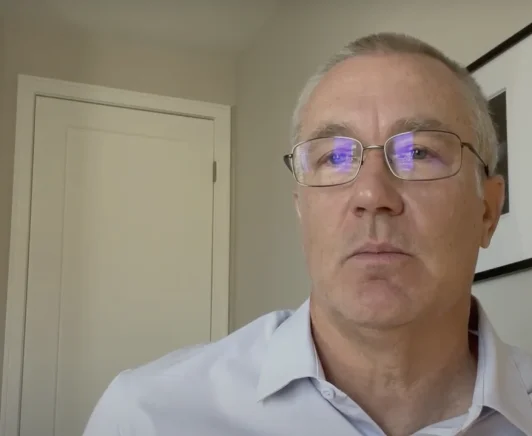
Every problem in this table is cheaper to catch at the design stage. That is the case Simon Jones makes in his session, and he goes further into the timing than we can here.
Сompliance success stories
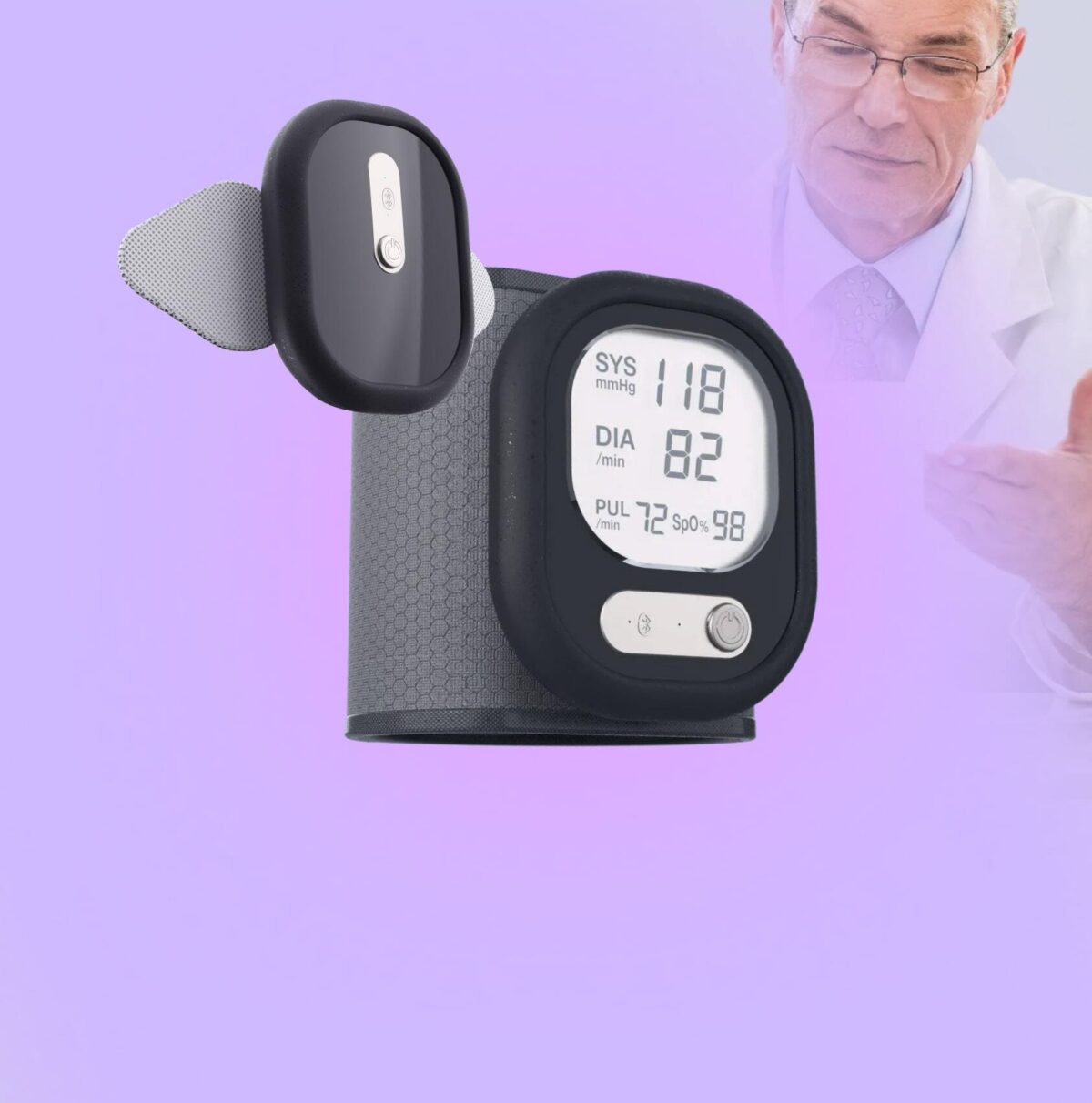
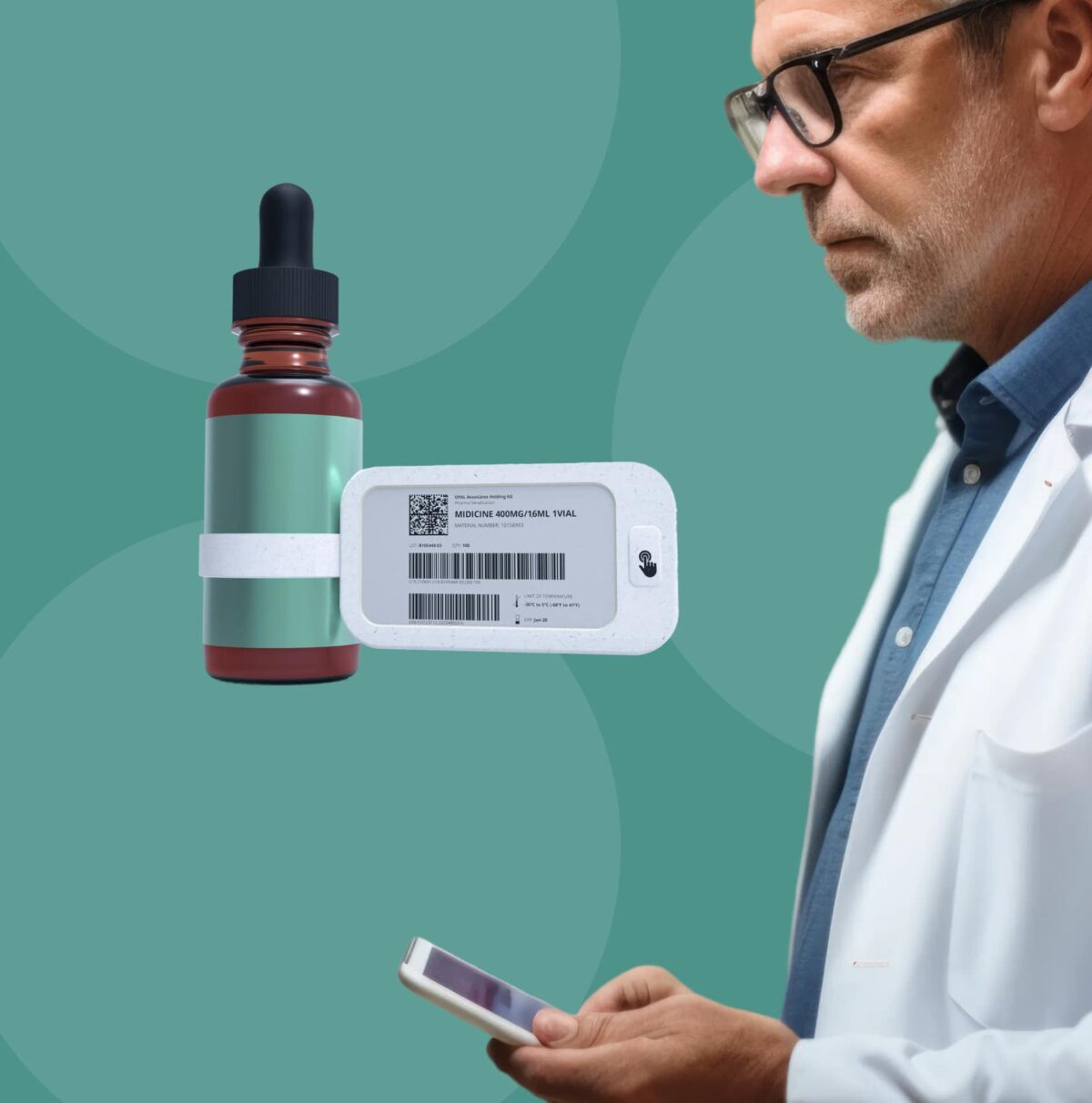
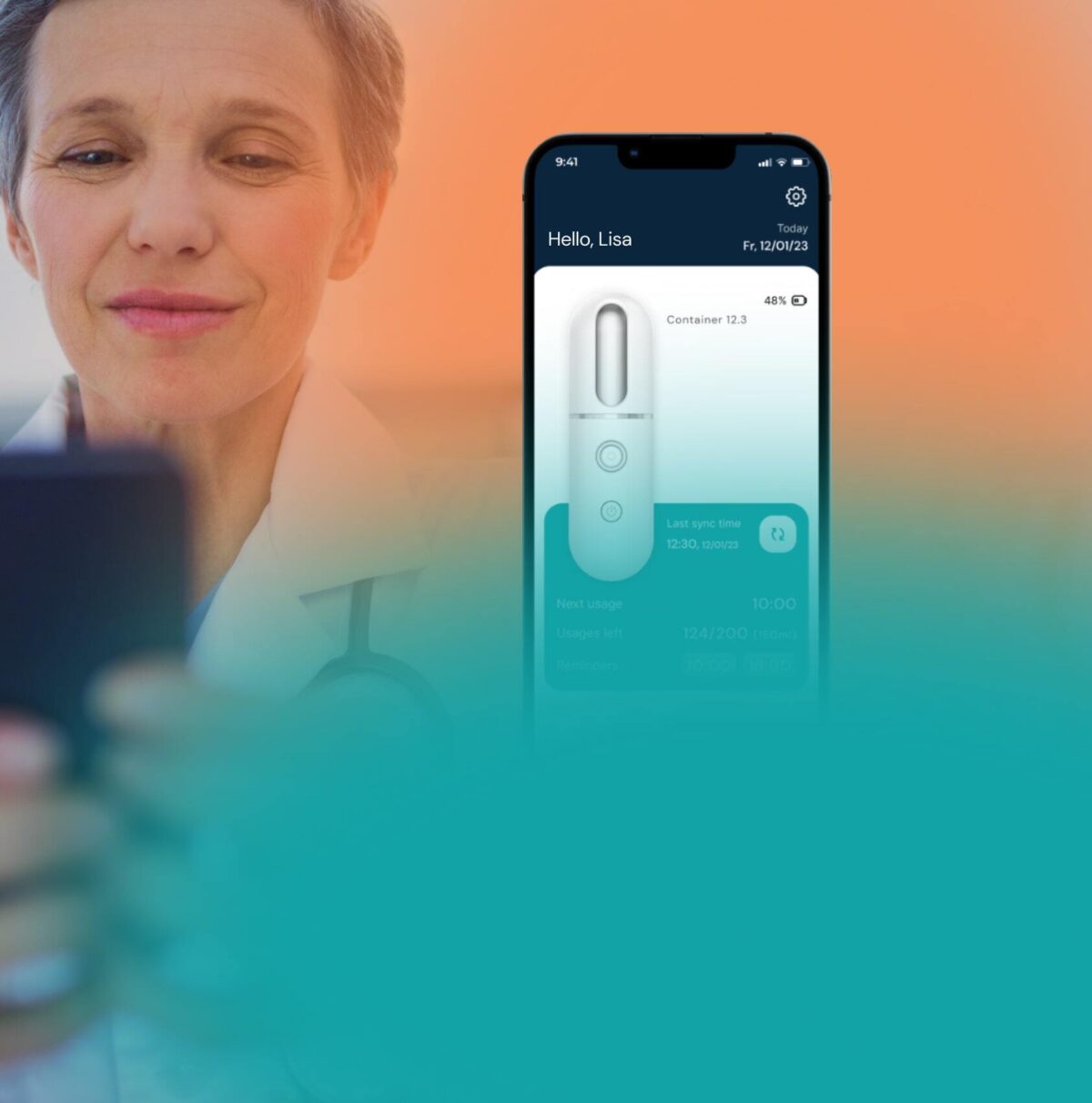
Programs where our medical device regulatory compliance services ran alongside the engineering, and what that produced.
Сompliance solutions we deliver
Some teams come to us with a product already in the market and a finding to close, others while they are still deciding which pathway to take.

Connected medical devices and IoMT
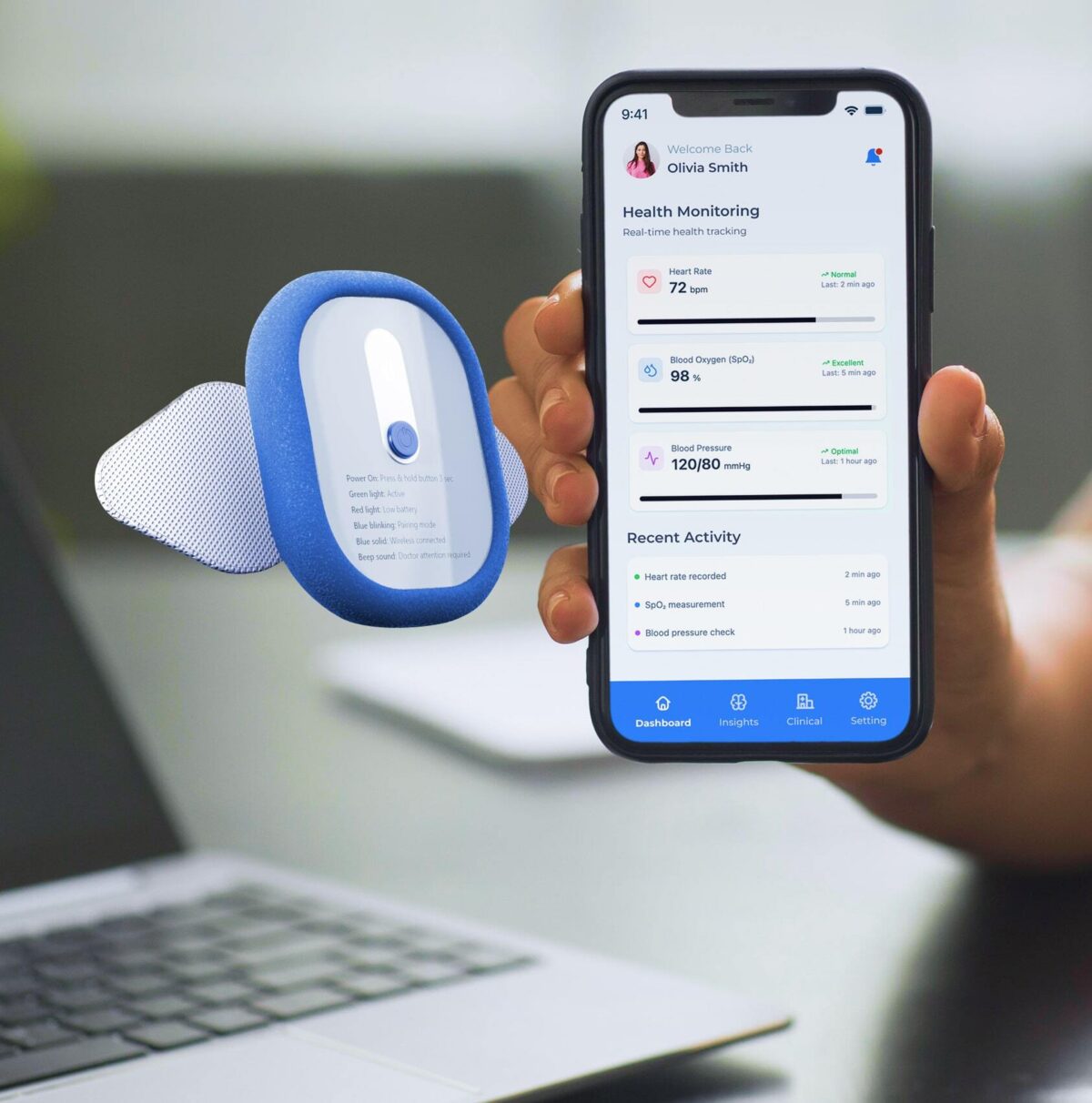
Wearables and bedside devices, from the firmware up to the cloud service behind them, built to the cybersecurity expectations that now come with a submission.
Software as a medical device
SaMD platforms developed under IEC 62304, with the risk file and the validation evidence a reviewer will ask to see.
EHR and EMR interoperability
FHIR and HL7 integrations with hospital systems such as Epic and Cerner, scoped so shared data stays inside its privacy boundary.
Secure cloud migration
On-premise workloads moved to AWS or Azure with the controls HITRUST and SOC 2 require, and nothing left behind on the old servers.
Clinical trial and laboratory platforms
Systems for decentralized trials and diagnostics, aligned to GxP expectations and validated under 21 CFR Part 11.
AI in clinical software
Governance and oversight for clinical software that uses artificial intelligence, including predetermined change control plans and the evidence the EU AI Act is bringing in.
Roadmap to healthcare compliance
Every stage produces something you could hand to a reviewer, so progress stays visible while the work is still underway.

Requirements discovery and gap analysis
We start by assessing your architecture and the processes around it against the frameworks you have to meet. You get a remediation plan with the critical risks ranked first and a straight read on how much engineering each one takes.

Risk assessment and architecture design
For medical device scope, we perform ISO 14971 risk management activities. In parallel, privacy and security risks are assessed using the applicable security and privacy frameworks, and the resulting technical controls are incorporated into the architecture.

Implementation and remediation
Right after that, our engineers implement the remediation while bringing the software lifecycle, documentation and engineering controls into alignment with IEC 62304 where applicable, then configure the cloud environment against HITRUST controls. This is the part most consultancies hand back to you.

Validation and evidence
Then comes validation. We execute the verification and validation activities required by the applicable quality system and regulatory framework, and compile the resulting evidence into the design and development file or EU technical documentation.. Because the traceability was there from the start, this stage assembles evidence instead of hunting for it.

Audit support and maintenance
Finally, our compliance professionals sit with you through an FDA inspection or a SOC 2 audit and answer the questions in the language they use. After launch, we help you maintain compliance as the regulatory environment moves, which right now mostly means device cybersecurity and AI governance.
Where does your program stand?
Tell us what you are building or operating and what already exists. We map what is missing and the team shape it takes to close it.






Frameworks and technologies we work with
Which of these applies depends on your product and your markets, so here is what our compliance and engineering teams work with most often.

ISO 13485

IEC 62304
ISO 14971
IEC 62366-1

21 CFR Part 820 (QMSR)
21 CFR Part 11

EU MDR 2017/745

GAMP 5
IEC 60601-1

UKCA
HIPAA

HITECH
GDPR
SOC 2 Type II
HITRUST CSF
ISO 27001
ISO 27701
NIST CSF
FDA Section 524B

SBOM (SPDX, CycloneDX)

HL7 FHIR R4
HL7 v2

DICOM

SMART on FHIR

USCDI

IHE profiles

OMOP CDM

Rust

C and C++

Python

Embedded Linux

AWS Control Tower

Azure Policy

Terraform

Kubernetes

HashiCorp Vault

Jira and Confluence

GitHub and GitLab

DocuSign
Struggling with FDA and ISO requirements?
Download our guide to ISO 13485 and FDA compliance for faster medical device development. It covers the certification path stage by stage and the mistakes that most often stall a device before it reaches review.
Why teams choose Yalantis for healthcare compliance consulting
Engineering-first compliance
We are one of the few firms in this market that can build what we recommend. The finding and the fix come from the same organization, so a finding turns into merged code rather than into a second procurement cycle.
A certified quality system you inherit
Our internal quality management system is certified to ISO 13485 and ISO 9001, and your project runs inside it. That means controlled documents and traceable decisions from day one, which usually saves your organization’s quality team a supplier qualification round.
Firmware to cloud under one roof
A connected device usually fails at the seams between layers. We cover the whole path from embedded firmware to the cloud platform behind it, so those seams are ours to answer for.
Rust where a memory fault would mean a recall
We use memory-safe languages for critical firmware, which removes an entire class of memory bug before it can turn into a safety incident or a field action. Our C and C++ depth stays in place for the code you already own.
Global market access
Whether you are entering the US under the FDA or Europe under MDR and GDPR, we know where the requirements diverge and where one set of evidence can serve several markets. UKCA marking for the UK usually rests on the same foundation.
Compliance that runs in your pipeline
Automated tests and generated records live in your CI/CD process, so you stay ready for a review instead of preparing for one. Your quality team spends its time on judgment calls instead of assembling spreadsheets before a review.
Certifications we hold
Your project runs inside our own certified quality system, so the controls reviewed in our own certification cover the work we do for you.
ISO 13485
Medical device quality system
ISO 9001
Quality management
ISO 27001
Information security
Testimonials







Wearable and IoT engineering insights

Articles
What Is Rust Used For? A 2026 Guide to Real Use Cases
Learn why Rust is so popular, how your business can benefit from adopting it, and market prospects for this language to learn how to find Rust developers.

Articles
How to Prevent Firmware Vulnerabilities with Secure Boot and OTA Updates
Discover how to prevent firmware vulnerabilities and how to keep connected devices secure, compliant, and recoverable at scale.

Articles
AI in Product Development: How to Automate Manual Work and Accelerate Your PDLC
Discover the AI-powered product development lifecycle framework built by Yalantis
Let’s map your path to compliance
Tell us what you are building or operating, and which rules you have to meet. Our compliance lead comes back with what we can already see and a compliance plan for closing it, plus the two or three questions worth answering before anything starts.
Articles
How Connected Healthcare Devices Are Reshaping Care Delivery and Driving Market Growth
Learn what connected healthcare is, it’s fundamental difference from telehealth, opportunities it opens for businesses, and what it takes to develop a connected healthcare device.

Articles
HIPAA Compliance for Software Development: Checklist and Requirements
This guide gives comprehensive information on how to ensure HIPAA compliance. You’ll also learn how to implement safeguards to meet the HIPAA Security Rule.

Articles
Rust for Medical Devices: Certified Software for Safety-Critical Systems
Explore how Rust can enhance medical device software with memory safety, performance, and reliability, helping developers build secure and dependable embedded systems.
Related services and industries
FAQ
-
What are healthcare compliance services, and what do they include?
They cover the work of getting a product in line with the rules that apply to it: patient data protection under HIPAA or GDPR, and medical device rules under the FDA or the EU MDR once your software has a clinical purpose. A full healthcare compliance program runs from the initial assessment through the risk file and the technical controls to the evidence package behind them. Advisory services usually stop at the recommendation, and we carry on into the implementation, so the compliance experts who find a problem sit with the engineers who fix it.
-
What regulations and standards apply to healthcare software?
Which compliance requirements apply depends on what the software does. If it stores or transmits protected health information in the US, HIPAA and HITECH apply, and anything touching EU residents brings in GDPR. If the software has a medical purpose, it becomes a device, and then you are looking at 21 CFR Part 820 under the QMSR and IEC 62304 for the software lifecycle, with ISO 14971 governing risk management throughout.
Selling in Europe adds the EU MDR. Enterprise buyers usually ask for SOC 2 Type II or HITRUST as well, though neither is a legal requirement, and both tend to show up in procurement long before a contract does.
-
What is medical device compliance, and how is it different from the wider healthcare rules?
Medical device compliance is the narrower of the two. It covers what a regulated device and its software have to satisfy: a quality system under ISO 13485 and a software lifecycle under IEC 62304, with a risk file kept current to ISO 14971. The wider category takes in data privacy and reimbursement rules, plus obligations that reach organizations across the healthcare industry when no device is involved. Plenty of products sit in both, so we scope the regulatory and compliance work as one program rather than two.
-
How do you make a medical device FDA compliant?
Start with classification, because the class decides your pathway and the evidence you have to produce. After that the work splits in two: a quality system that meets Part 820 as it now stands under the QMSR, and design and development controls that maintain traceability between applicable user needs, design inputs, outputs, risk controls and verification and validation evidence.
Software adds IEC 62304 documentation at whatever safety class your hazard analysis lands on, and a connected device adds a cybersecurity plan with a software bill of materials under Section 524B. Miss those and the submission can be refused before anyone reads the clinical content. The submission itself is mostly an assembly job, which is far easier when the evidence was produced as the product was built.
-
What is HIPAA compliance for healthcare software, and who needs it?
HIPAA applies to covered entities such as providers and health plans, and to the business associates handling protected health information for them. Most health tech vendors are business associates, which means the Security Rule lands on you directly and a signed business associate agreement becomes a condition of doing business.
For a software team, healthcare software compliance comes down to access control, audit logging, encryption in transit and at rest, and a risk analysis you can produce on request. Policies and procedures are part of it, though the Security Rule also expects technical controls that enforce them. The risk analysis is what catches people out, because it has to describe the system as it runs today.
-
Can Yalantis certify our device or issue the certificate?
No, and it is worth being clear about that. Certificates come from a notified body or an accredited auditor, and clearance to market comes from the FDA. What we can do is prepare the submission so it holds together, and make sure the product behind it behaves the way the documentation says. Our own ISO 13485 certification helps you in a practical way here, since your project runs inside a quality system that has already been certified.
-
How long does it take to get a healthcare product audit-ready?
For a product already on the market with a codebase in reasonable shape, a privacy or SOC 2 readiness program usually runs three to six months, and most of that is engineering rather than writing. A first FDA submission for Class II software is a longer road, commonly nine to eighteen months from a standing start. What moves the number is how much of the architecture has to change to support the controls, so we give you a date after the assessment rather than before it.
-
How do you keep a connected medical device in compliance after launch?
Post-market obligations never really stop. You have to watch every component in your software bill of materials for newly disclosed flaws and patch the ones that matter, then report events that cross the reporting threshold in each market you sell into.
All of that depends on patching being safe, so we set the update path up properly: signed images on A/B partitions, with a health check before the switch and a rollback tested on production hardware. Signing keys live in a hardware root of trust rather than a config file. Surveillance data then goes back into the risk file, which keeps your documentation current instead of frozen on the date of approval.
-
Can one partner handle both the compliance work and the engineering?
Yes, and that is usually why teams call us. Our medical device compliance consulting services sit in the same company as the engineers who write the firmware and build the cloud platform behind it, so a finding turns into a ticket rather than a report someone has to translate for a separate development vendor.
You can also take a single piece. Some teams bring us in for the assessment and nothing else, others for the IEC 62304 documentation on software that already exists, and we customize the scope from there.
-
Do healthcare startups need a compliance officer, or can it be outsourced?
Early on, most funded teams outsource it. A fractional compliance officer gives you compliance expertise that has already been through submissions and inspections without the cost of a senior full-time hire, and that usually carries you through the quality system setup and a first submission. The moment to bring it in-house tends to arrive once the product is on the market and post-market surveillance becomes a standing job for an internal compliance team, and we often hand over at that point and stay on for the engineering.
-
How much does medical device compliance work cost?
It follows the shape of the engagement. A gap analysis is a fixed scope that lands in weeks, while a remediation program is priced by the team it takes and how long the runway is. As a nearshore partner, our blended rate sits well below what large advisory firms charge, and a much bigger share of the budget goes into implementation instead of reporting, which makes a full remediation program more cost-effective than an advisory engagement of the same size. We put a number on it once that is done, since it depends on how much evidence already exists.
How to get started with Yalantis
Leave your info and a few words about the project. We’ll review it and reach out to book a call.
Welcome to Yalantis, please fill out the form and we’ll get back to you.

Thank you for contacting us.
Keep an eye on your inbox. We’ll be in touch Meanwhile, you can explore our hottest case studies and read client feedback on https://clutch.co/profile/yalantisu0022 target=u0022_blanku0022 rel=u0022noopeneru0022u003eClutch.u003c/au003eu003c/pu003e