


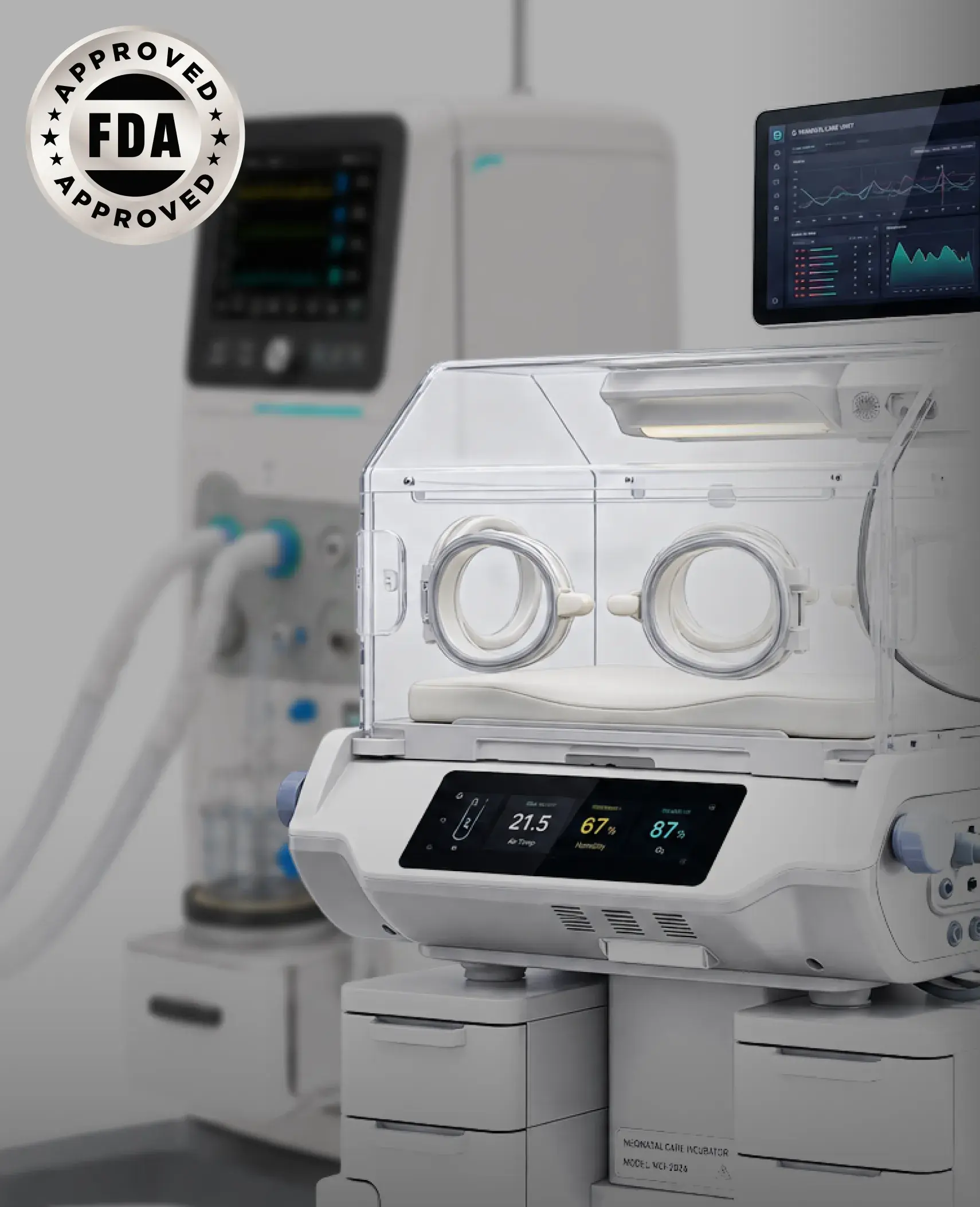
Yalantis delivers full-cycle medical device development services for Class II and III products, combining hardware design, firmware engineering, and cloud software under one ISO 13485-certified QMS. From PCB layout to FDA submission, we cut time-to-market by 6 months and reduce post-market costs by 30%.
15+
Years
in healthcare
90%
First-try
approval rate
25+
FDA & CE
approvals
60+
Industry Experts
13485
ISO
Certified QMS

Real projects. Real outcomes.
These projects show what our medical device engineering services look like
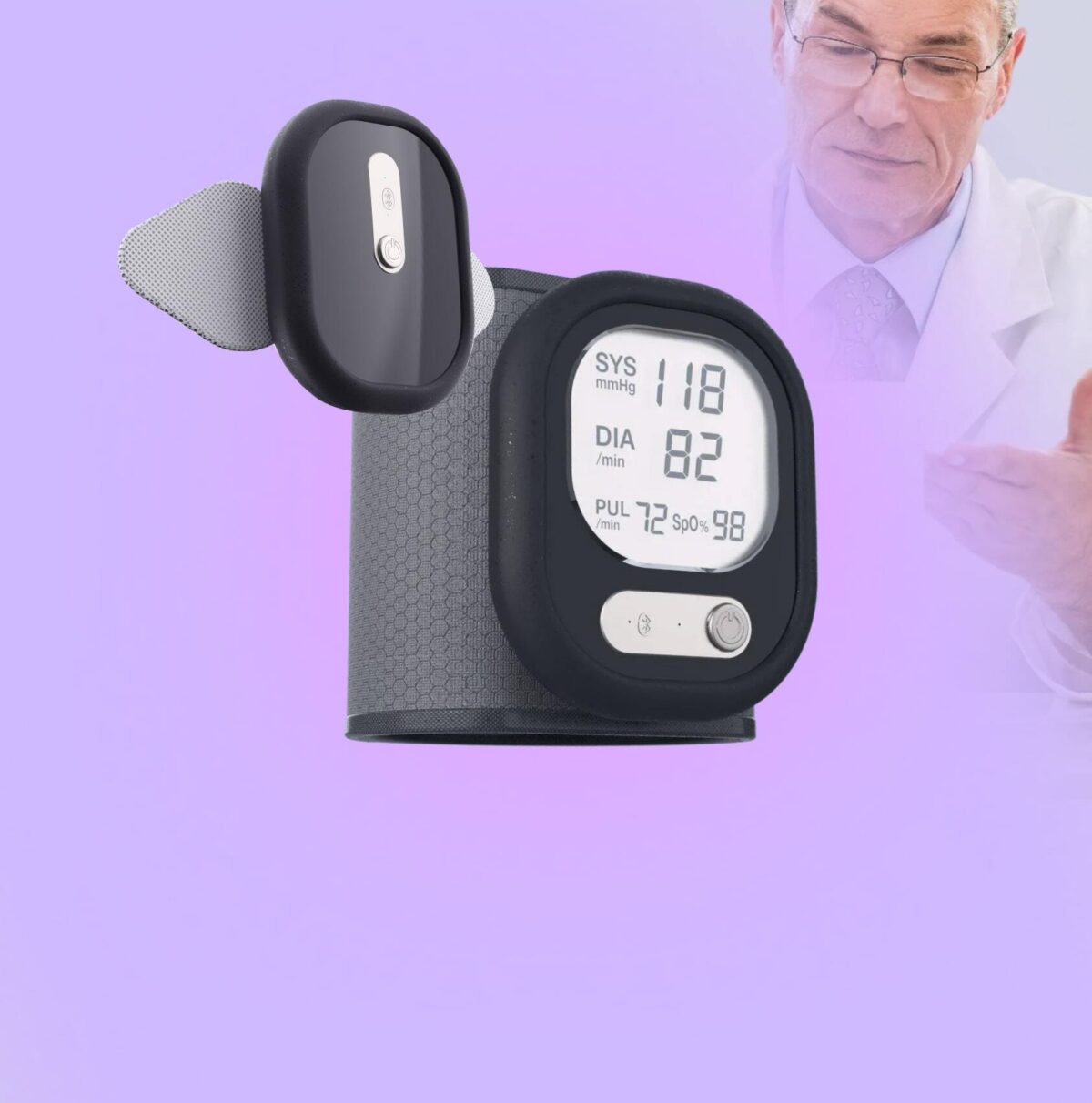
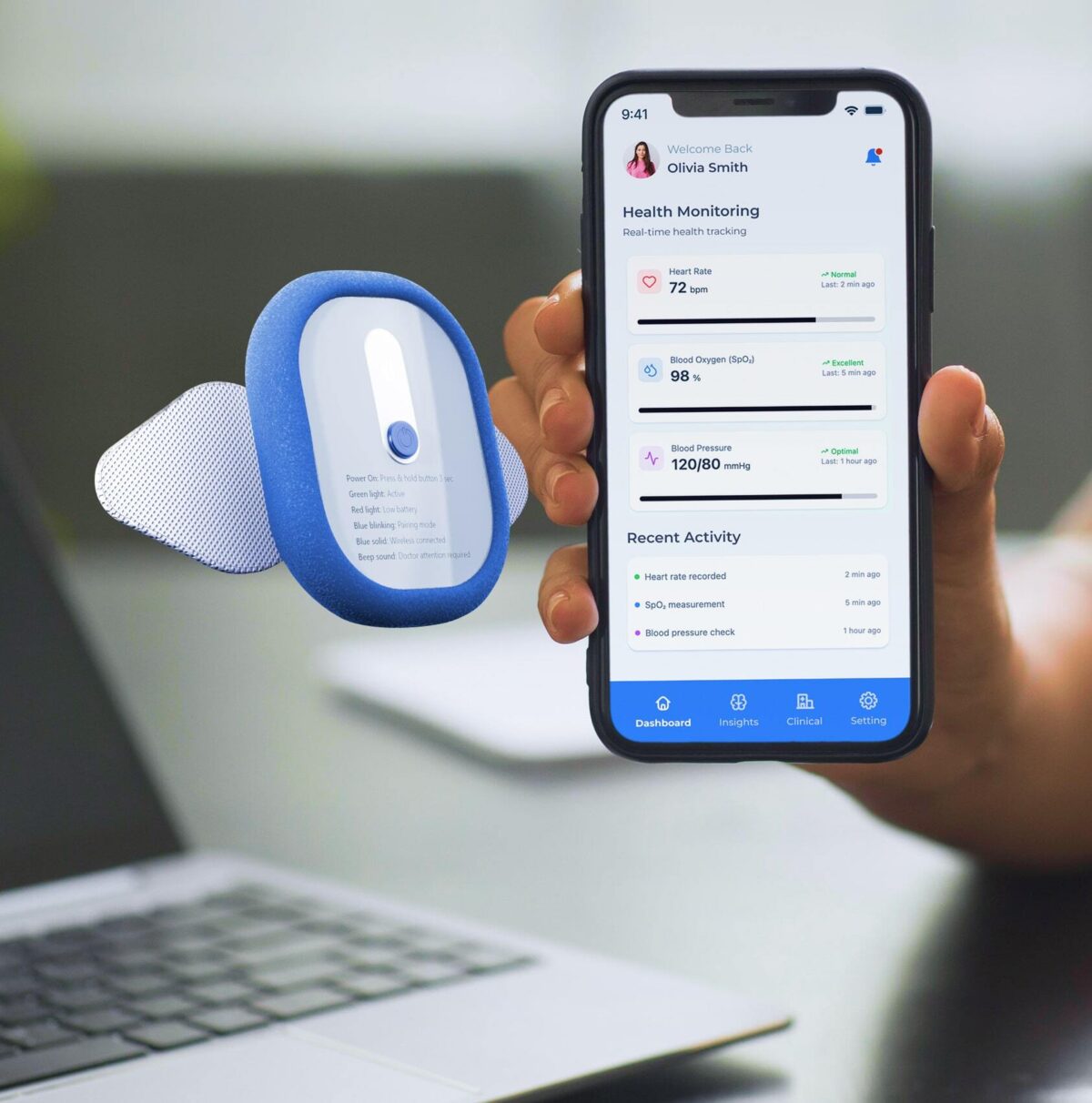
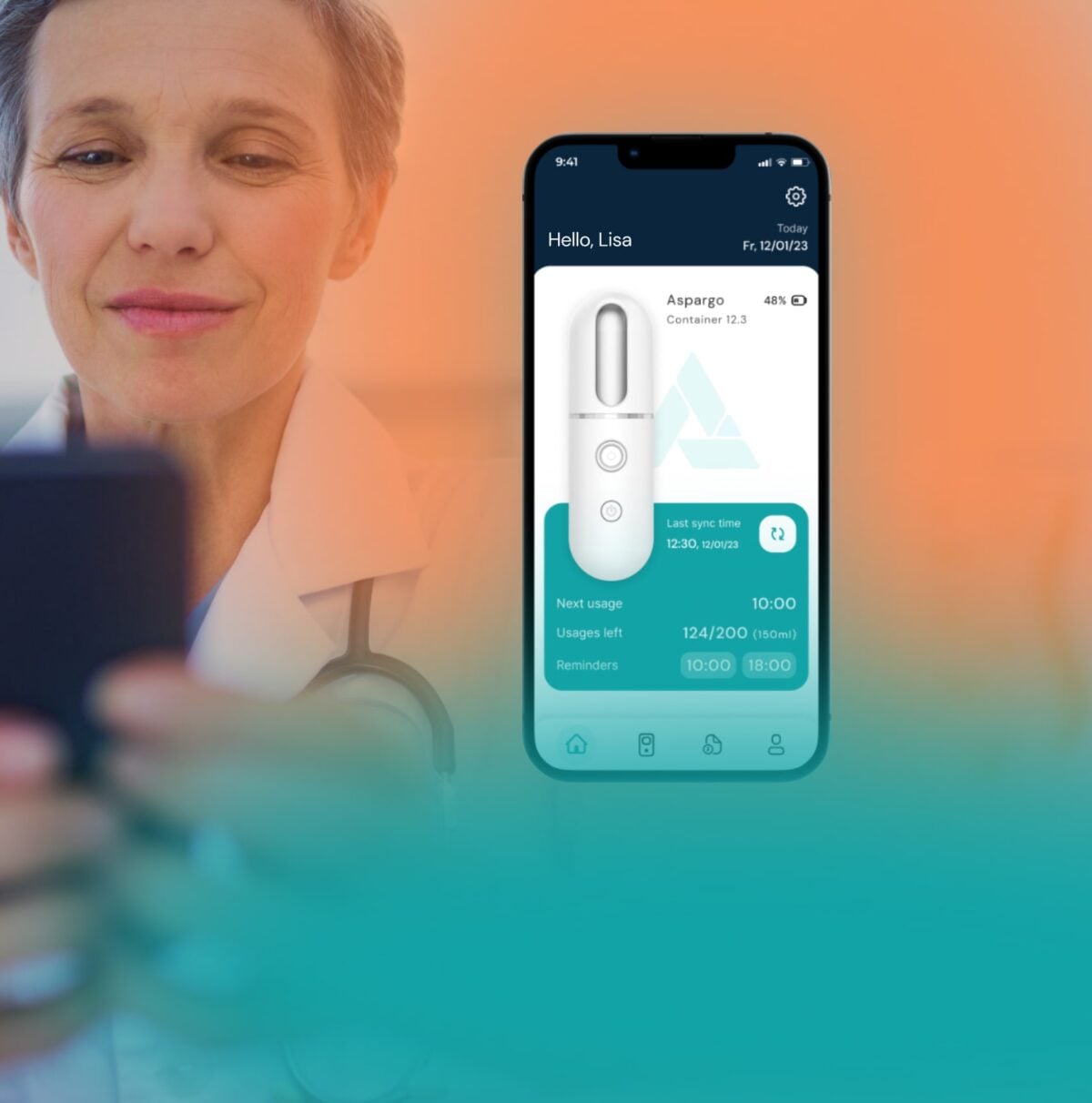
in practice, each one with a different device, a different problem, and a different set of regulatory requirements. What stayed the same was the approach: understand the clinical context first, then build something that works in the real world.








End-to-end medical device engineering services
Most companies split their device work across three or four vendors. We keep it under one roof, from PCB layout to FDA submission, with engineering teams in Europe delivering across the US and EU.
Medical Device design & hardware engineering
- Industrial design and enclosure engineering tailored to clinical use, including human factors engineering
- Consulting on circuit design and electrical architecture
- Rapid prototyping and functional testing of medical equipment
- PCB design compliant with medical-grade requirements
- Component selection with regulatory and certification requirements in mind
- Preparation of full hardware documentation
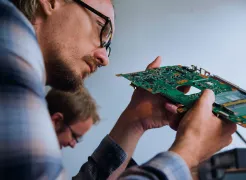
Medical device firmware development
- Secure embedded application development (Rust, C/C++, MISRA C)
- BSP (Board Support Package) and driver development
- RTOS integration and configuration
- Low-power connectivity implementation (BLE, Wi-Fi)
- Secure bootloader and OTA mechanism setup
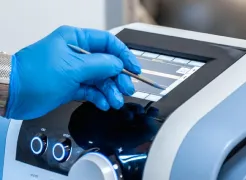
Medical device software development
- Mobile applications for device management
- Embedded application development for device control and data acquisition
- SaMD module design and development

Cloud platforms & integrations
- Scalable cloud platforms for real-time data processing
- EHR/EMR integration (HL7, FHIR, DICOM, TEFCA)
- Fleet management and remote provisioning
- HIPAA-compliant backend architecture

AI & TinyML integration
- Development of TinyML models for on-device data processing without internet dependency
- AI algorithm engineering for diagnostics and prediction based on sensor input
- Optimization of machine learning models for constrained hardware
- Compliance of AI components with 2025 FDA guidelines
- Lifecycle management: continuous learning, validation, and monitoring of AI modules

SaMD development & consulting
- Regulatory strategy and SaMD risk classification (Class I/IIa/IIb/III)
- IEC 62304-compliant architecture and FDA-ready software traceability
- Clinical AI model development with FDA AI/ML compliance
- Algorithm validation, bias mitigation, and FDA Predetermined Change Control Plan (PCCP) alignment
- Patient and clinician app design for diagnostic, monitoring, and therapeutic SaMD, with WCAG 2.2 accessibility compliance
- Cybersecurity-by-design per IEC 81001-5-1

Certification & compliance support
- Regulatory strategy and certification roadmapping (FDA/CE and more)
- Comprehensive technical documentation preparation
- Risk assessments, design verification, design validation, and device testing
- Coordination of submissions and communications with regulatory bodies
- Support for clinical trials and compliance training
- Post-certification updates, regulatory compliance monitoring, and ongoing compliance management
- Design Controls per 21 CFR 820.30, including Design Inputs, Design Outputs, and traceability matrices
- Design History File (DHF) preparation and maintenance throughout the product lifecycle
- EU Cyber Resilience Act (CRA) readiness for connected devices and digital products

Manufacturing support
- Design for manufacturing and design transfer support to contract manufacturers
- Lifecare strategy for device components
- Coordination of pilot runs and low-volume production
- Troubleshooting production challenges and yield issues
- Ongoing assistance with manufacturing audits and compliance updates
Our technologies
Medical device design and development for Class II and III products
Connected diabetes care
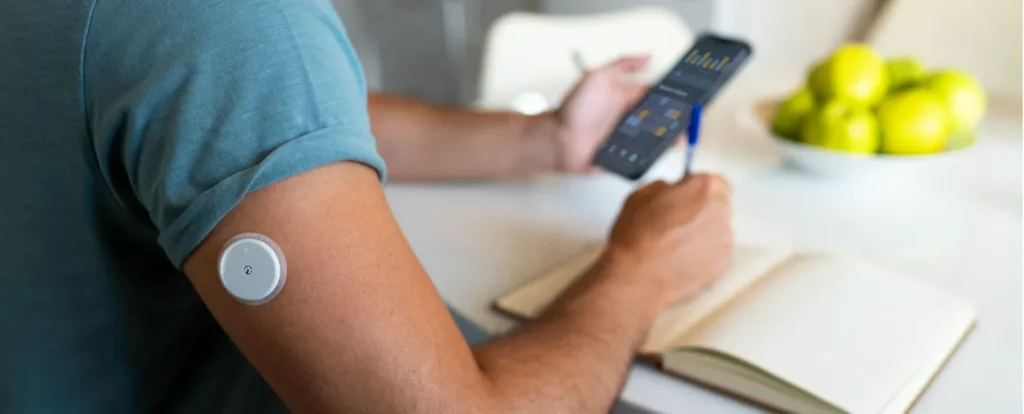
Continuous Glucose Monitors (CGMs), insulin pumps and patch pumps, smart insulin pens, closed-loop artificial pancreas systems, bluetooth-enabled glucometers.
Wearables
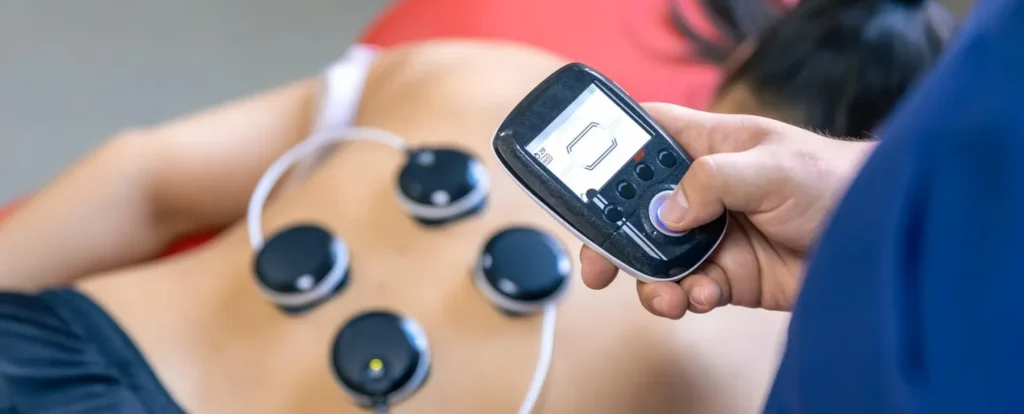
Smart patches for vitals tracking and drug delivery, connected health and fitness trackers, multi-sensor activity monitors for clinical use, ECG-enabled wearables and biosensors.
Cardiac monitoring
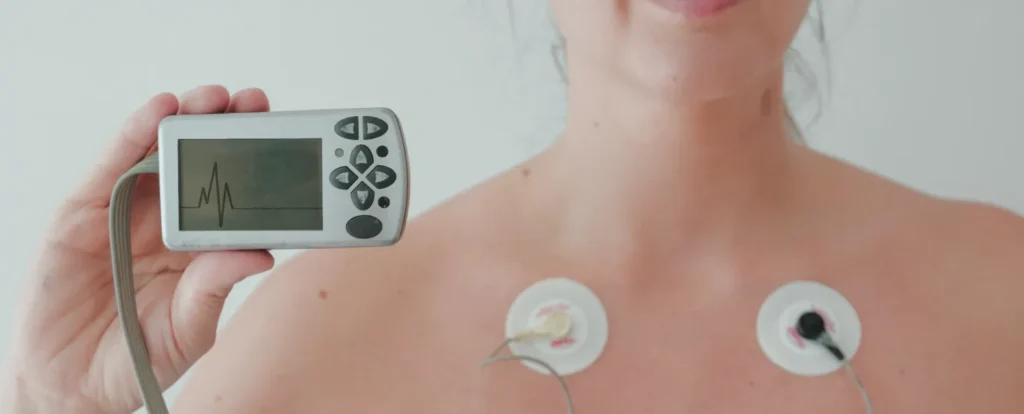
Ambulatory cardiac telemetry devices, implantable cardiac monitors (ICMs), smart holter monitors.
Respiratory devices

Smart inhalers with adherence tracking, connected CPAP/BiPAP devices, nebulizers with cloud-based data logging, portable spirometers.
Diagnostic equipment
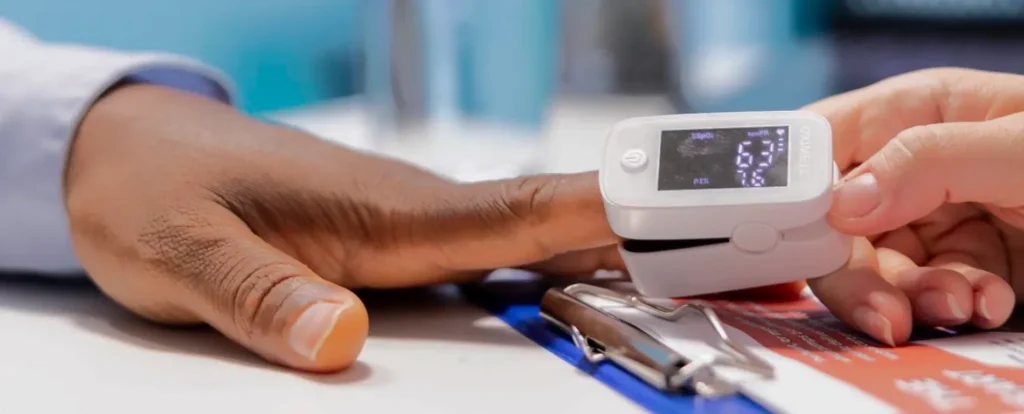
Point-of-care testing (POCT) devices, smart stethoscopes and otoscopes, connected thermometers, oximeters, and vital sign monitors.
Therapeutic & neuromodulation devices
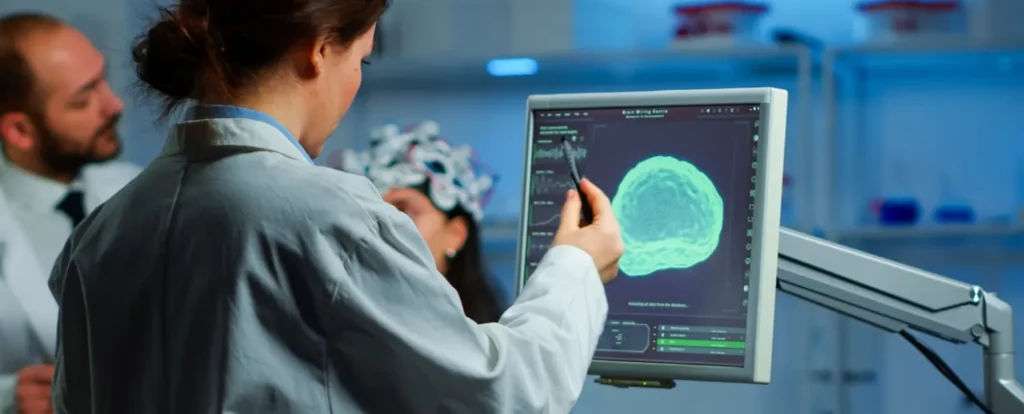
Implantable neurostimulators (spinal cord, vagus nerve), transcutaneous electrical nerve stimulation (TENS) devices, smart orthopedic braces with sensor feedback.
Infusion & drug delivery devices
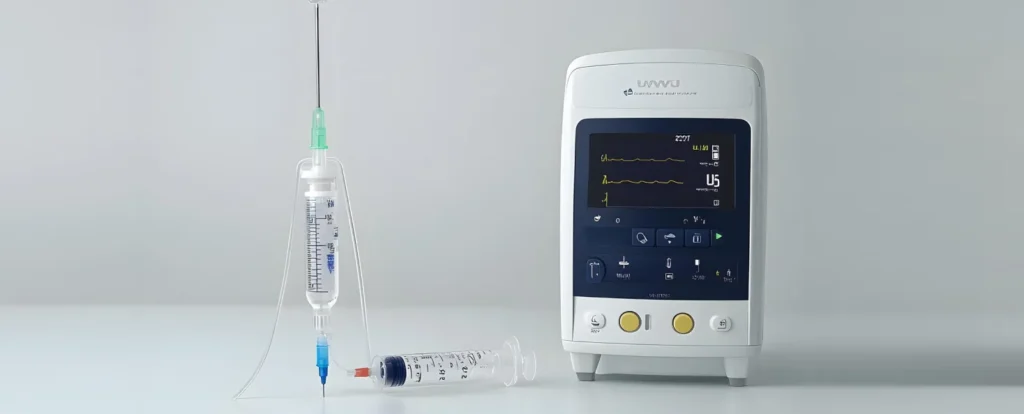
Smart infusion pumps (syringe, volumetric, elastomeric), implantable infusion systems, electronic auto-injectors, connected wearable injectors.
Want results like these?
Tell us about your project.
Regulatory pathways we support

510(k) premarket notification
The most common route for Class II devices. We prepare your predicate device comparison, performance data, and the full 510(k) submission package so the review goes smoothly.
De Novo classification
For novel low-to-moderate risk devices that lack a valid predicate. We guide you through the De Novo request process, including risk-benefit analysis and proposed special controls.
PMA (Premarket Approval)
Required for Class III, high-risk devices. We support clinical study design, compile the PMA application, and coordinate with the FDA throughout the review cycle.
EU MDR and CE marking
We prepare technical documentation in line with EU MDR 2017/745, coordinate Notified Body interactions, and support CE marking for European market access.
MDSAP
For companies selling into multiple markets, we align your QMS with MDSAP requirements, covering the US, Canada, Brazil, Australia, and Japan in a single audit framework.
Struggling with FDA and ISO requirements?
Get our Guide to ISO 13485 & FDA Compliance for Faster Medical Device Development, and avoid the common mistakes that stall device certification. Includes a detailed roadmap and pro tips.
Our medical device engineering process

Discovery & planning
In the first phase, we run a feasibility assessment and concept development to give you a clear roadmap that reflects your goals and meets regulatory requirements.

Architecture & prototyping
Building on that plan, our engineers deliver early prototypes and system design so you can see how the product will work before full development.

Development in iterations
Once the foundation is set, you’ll see steady progress through iterative design in short cycles, with working features delivered and refined at each step.

Testing & compliance
Alongside the product development process, every stage includes thorough testing and documentation, giving you dependable results and alignment with FDA, MDR, and ISO standards.

Launch & certification
With a fully tested product in hand, our experience with global submissions gets your device to market fully prepared, documented, and supported through approval.

Post-market support
After release and commercialization, you can count on ongoing updates, monitoring, and maintenance to keep your device safe and compliant.
Technologies we work with
Rust

C
C++

Kotlin
Bootloader

Linux Kernel

AWS IoT

Arduino

ESP32

STM32

NRF52

Zephyr
LoRaWAN

MQTT
MISRA C

Yocto

CMSIS
Ready to start?
Schedule a call with our medical device team.
Why partner with Yalantis as your medical device design company
Proven track record
As a medical device engineering company with 17+ years of experience, we deliver medical device design services for Class II and III products. We handle safety-critical complexity where failure is not an option, and we operate as a long-term development partner, not a vendor.
Pioneering Rust expertise for medical devices
Eliminate memory vulnerabilities in device firmware using Rust. We ensure 99.99% uptime and solve safety challenges that generalist dev shops cannot handle.
Rapid medical device engineering staffing
Scale your R&D in 2-4 weeks with specialized medical device engineers. Our team brings deep medical device industry knowledge that stays consistent throughout the device lifecycle.
Audit-ready medical device security & compliance
An ISO 13485-ready partner aligning device architecture with IEC 62304 and FDA standards from day one to streamline your certification.
End-to-end medical device synergy
We bridge hardware and cloud throughout every stage of medical device development, unifying low-level firmware, sensor data, and mobile apps into one seamless connected system.
Engineered for medical device profitability
Maximize margins by optimizing device BOM costs and workflows. We ensure your product makes business sense from prototype to mass production.
Standards and certifications we follow
Compliance is part of the engineering work from the first sprint. We build to the standards your auditors and regulators expect, with the documentation trail growing alongside the product.
HIPAA

GDPR and UK DPA 2018
ISO/IEC 27001
SOC 2 Type II
EU CRA (Cyber Resilience Act)
HL7 and FHI

DICOM

X12 / EDI

ISO 13485
IEC 62304

EU MDR

FDA 21 CFR 820

21 CFR Part 11

GAMP 5

DCB0129 / DCB0160
IEC 82304-1

WCAG 2.1 / 2.2 Level AA
What our clients say

Medical device development insights
Articles
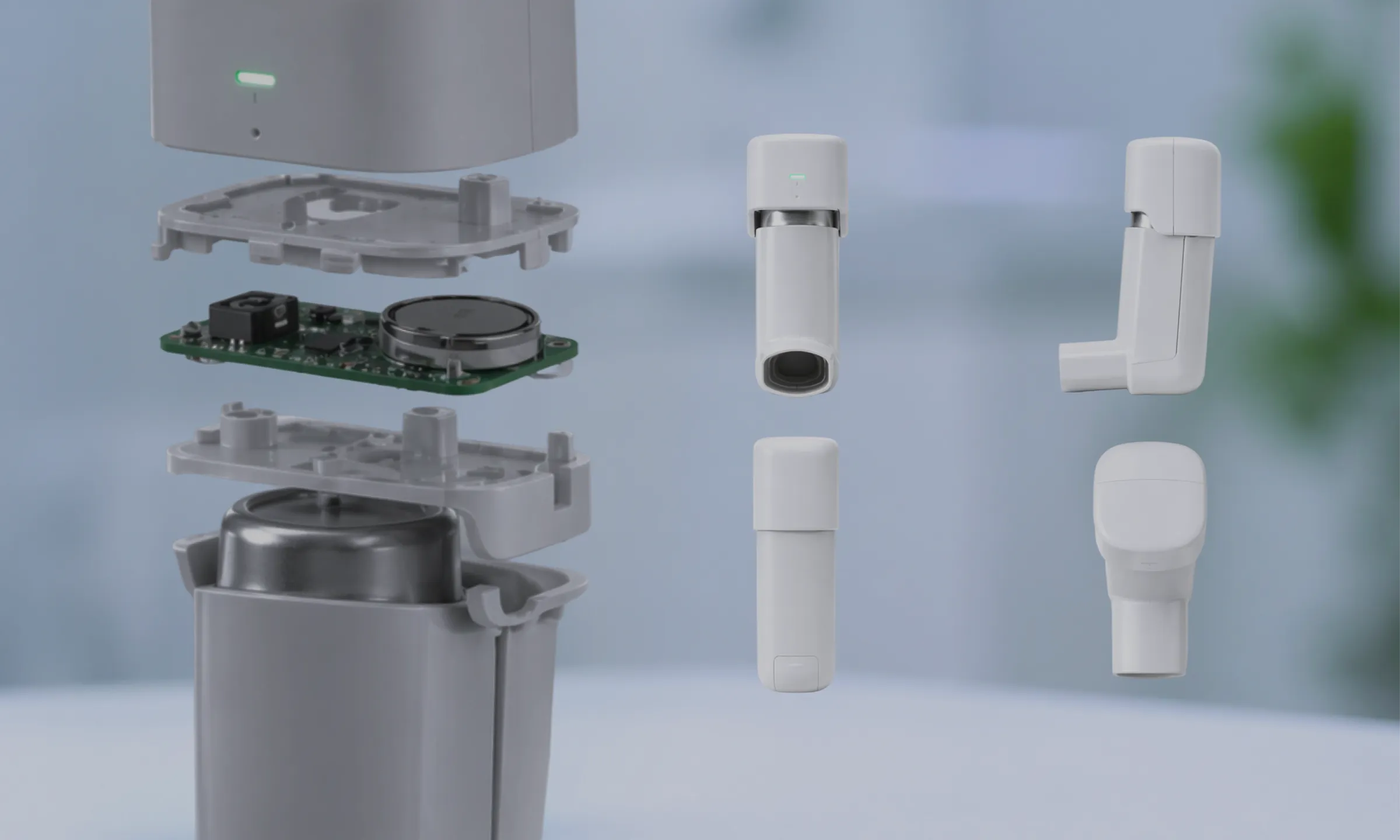
Medical Device Development: The 6 Phases From Concept to Market
Explore the six phases of medical device development, and find out why the first few weeks decide most of your schedule.

Articles
mHealth Strategy in 2026: How to Turn a Patient Engagement App into a SaMD Product
If your patient app doesn’t deliver outcomes, it won’t get paid or adopted. Here’s how to turn it into a regulated, revenue-generating SaMD product.
Articles
A Guide to IEC 62304 & ISO 13485 for Embedded Medical Device Software
If you’re preparing to scale an embedded medical device, this guide breaks down how IEC 62304 and ISO 13485 fit into your workflow and what you need to stay compliant as you grow.
FAQ
-
Do you provide hardware design and PCB engineering, or only software?
We do both. Our medical device engineering services cover the full stack, from PCB design and enclosure engineering to firmware, embedded software, and cloud platforms. This range of services means one team handles hardware and software together, so nothing gets lost in handoffs between vendors.
-
Do you develop Software as a Medical Device (SaMD)?
That’s what we do! We offer medical device software engineering for SaMD products, from risk analysis and UI design to cloud connectivity and compliance.
-
What certifications and standards does Yalantis follow for medical device development?
We operate under an ISO 13485-certified quality management system. Our engineering processes align with IEC 62304 for software lifecycle management, IEC 60601 for electrical safety, and 21 CFR 820 for design controls. We also follow IEC 62443 for cybersecurity where connected devices are involved.
-
Can you assist with FDA or MDR compliance for medical device software?
Yes. We provide software design for medical devices in line with FDA and MDR regulations, as well as ISO 13485 and IEC 62304 standards, to support smooth approvals and safe releases. That applies to software development for medical devices as well.
-
Can you support EU MDR compliance and CE marking, not just FDA?
Yes. We prepare technical documentation per EU MDR 2017/745, support Notified Body audits, and help with CE marking for European market access. We also handle multi-market strategies through MDSAP, which covers the US, Canada, Brazil, Australia, and Japan.
-
What is the difference between Class II and Class III medical devices?
Class II covers moderate-risk devices like infusion pumps and powered wheelchairs. Class III is for high-risk products such as implantable pacemakers. For Class II, we typically follow the 510(k) pathway with a 12 to 24 month timeline. Class III requires PMA approval with clinical evidence, and usually takes 3 to 7 years. Our design controls and testing scale with the regulatory requirements of each class.
-
How long does it take to develop a Class II or Class III medical device?
For most Class II devices going through the 510(k) pathway, you can expect 12 to 24 months from concept to clearance. Class III devices that need PMA approval typically take 3 to 7 years because of clinical trial requirements and longer FDA review cycles. We work to shorten those timelines by running hardware and software development in parallel and starting documentation early.
-
How much does medical device development cost, and what affects the timeline?
The biggest factors are device class, regulatory pathway, and how much groundwork is already in place. Class II devices with a clear 510(k) predicate generally move faster and cost less, while Class III products requiring PMA take significantly longer and carry higher costs because of clinical trials and extended review cycles. We shorten development timelines by running hardware, firmware, and software in parallel and starting regulatory documentation from the first sprint. Since every project is different, the best way to get a realistic estimate is to talk to our team about your specific device and regulatory situation.
-
How do you handle integration issues with existing healthcare systems?
Challenges in medical device software development often originate from poor vendor documentation or integrating multiple devices. We handle this by working with vendors directly or suggesting better-documented alternatives. For multi-device setups, we merge and normalize data to ensure smooth processing. Every project is unique, so issues may vary.
-
Can you integrate medical devices with EHR or hospital systems?
We can. Yalantis is a medical device design firm that also delivers medical device interoperability services, supporting integration with EHRs, hospital platforms, and HL7/FHIR standards.
-
How do you ensure the interoperability of connected medical devices?
We develop medical device software solutions that standardize and synchronize data across various devices, so the data exchange is smooth and compliant.
-
Do you provide validation and verification services for medical software?
Yes, we do it as part of our medical device software development services. We conduct strict verification and validation (V&V) testing to ensure software safety, reliability, and compliance.
-
What is your experience with healthcare and medtech interoperability?
We’ve delivered medical device engineering services for all classes of FDA-approved devices and built custom medical device solutions from scratch. Our team develops medical device software for diagnostics, remote monitoring, and chronic disease management, and we offer consulting and ongoing outsourcing when needed. This makes us a long-term partner for healthcare companies that require seamless data integration and dependable outcomes.
Explore related services
Let’s set up a call
Leave your info and a few words about the project. We’ll review it and reach out to book a call.
Welcome to Yalantis, please fill out the form and we’ll get back to you.

Thank you for contacting us.
Keep an eye on your inbox. We’ll be in touch shortly
Meanwhile, you can explore our hottest case studies and read
client feedback on Clutch.