



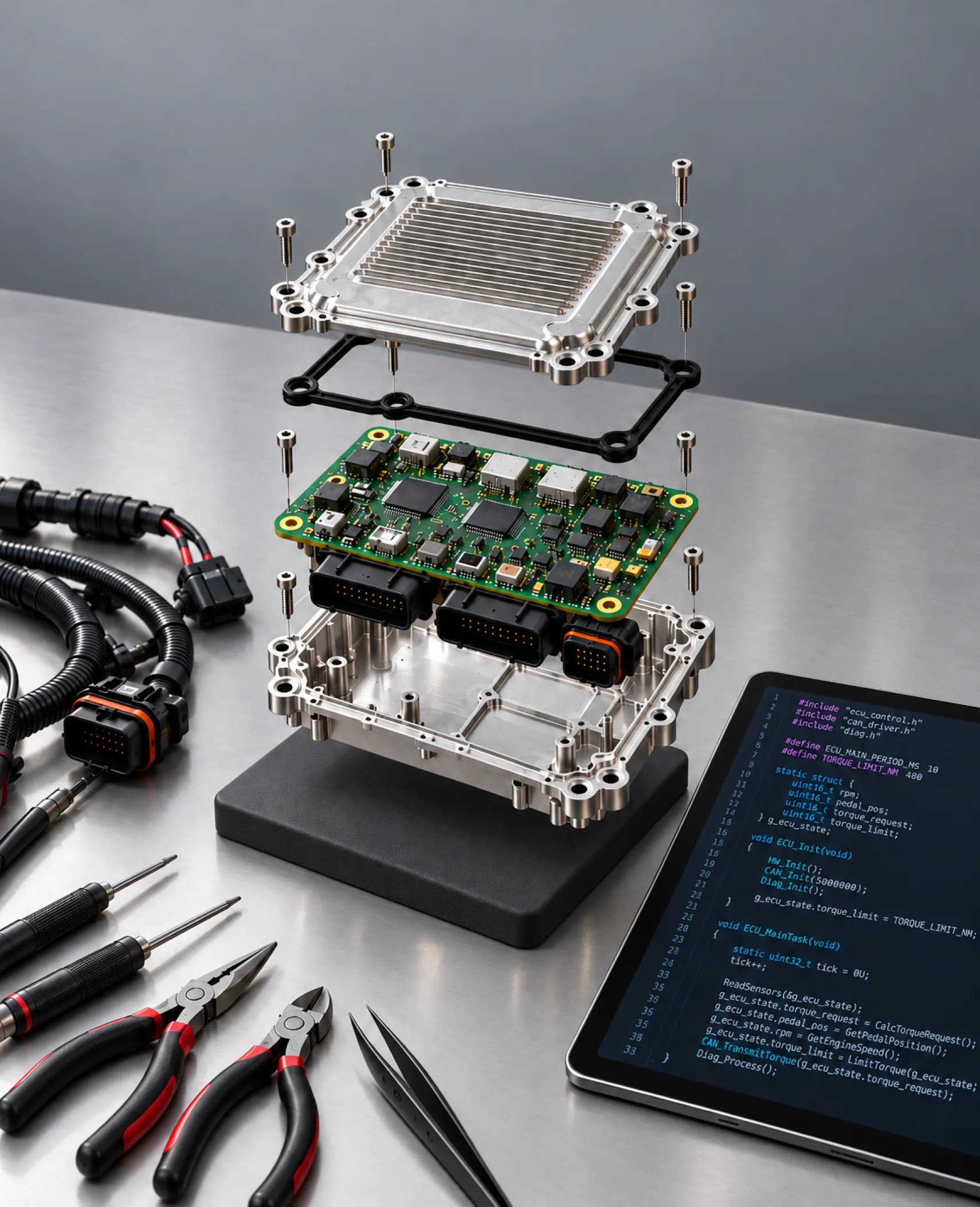
Hardware design services turn a product concept to a manufacturable device, from architecture and PCB to enclosure and a tested prototype with factory-ready documentation. Yalantis covers all of it in one in-house R&D lab in Warsaw.
Maßgeschneiderte Hardware Design Services

18+
Jahre
im Ingenieurwesen
50+
Hardware and
embedded engineers
30+
Hardware
abgeschlossene Projekte
91
NPS von
Kundenbefragungen
4+
Durchschnittliche Jahre
Kundenbindung
F&E
Hauseigenes Labor
in Warschau
Die Zertifizierungen, die wir besitzen

ISO 9001
Qualitätsmanagement
ISO 27001
Informationssicherheit
ISO 27701
Privacy information
ISO 13485
Medizinprodukte










What do hardware design services include?
Hardware product design services cover every engineering step between a concept and a package a factory can build. Here are the eight engineering capabilities we cover, whether you need hardware product design services end to end or only the piece your team is missing.

Architecture and technology choice
The first decisions are the expensive ones. We size compute, power, and connectivity against your duty cycle and your unit cost, then commit to an architecture you can defend to a board. Where a vendor already solves the problem, we say so, because starting from proven reference designs takes weeks out of the development cycle.
- Compute selection across NXP, STM32, Nordic, and Raspberry Pi compute modules
- Power budgeting, battery sizing, and the thermal envelope
- Make-or-buy analysis against vendor evaluation kits and modules
- Feasibility study and a risk register for the hardware design project
- Cost-efficient BOM targets agreed before schematic work starts

Electronic product design and schematic capture
Our engineers turn architecture into routable, testable circuits, separating analog and digital sections early and choosing components based on availability and lifecycle instead of price alone.
- Schematic capture with a reviewed, fully sourced bill of materials
Analog front ends, signal conditioning, and precision data acquisition - Power stages, regulation, and protection for electronic hardware in harsh sites
- Sensor selection and interface design, from MEMS parts to 4–20 mA loops
- Qualified second sources for every risk-flagged part

PCB design and high-speed layout
Layout is where a good circuit becomes a product that passes EMC on the first attempt. We fix the stack-up at the start, because settling it late is the most common cause of unplanned layout iterations. We also model integrity and thermal behavior before fabrication, when issues can still be fixed quickly without another board revision.
- Multi-layer, HDI, flex, and rigid-flex printed circuit board design
Impedance control and high-density placement on tightly packed boards - DDR, LVDS, PCIe, USB, and HDMI 2.0 routing with length and skew matching
- Signal and power integrity simulation ahead of the first build
- PCB analysis for electromagnetic compatibility, thermal margin, and IPC-2221 rules

FPGA design services for data acquisition and video
When a microprocessor cannot keep up with the data rate, the work moves into fabric. Our field-programmable gate array (FPGA) design services cover FPGA-based pipelines where latency has to be deterministic and provable, on AMD Xilinx, Intel Altera, Microchip PolarFire, and Lattice families.
- RTL-Design in VHDL, Verilog und SystemVerilog
- PCIe, MIPI, and DDR interface bring-up with calibration and margin testing
- Deterministic acquisition and real-time data processing pipelines
- Verification with UVM, cocotb, and hardware-in-the-loop test rigs
- Automotive and ADAS-adjacent video and sensor fusion front ends

Mechanical design and enclosure design
Our mechanical team designs the housing around the real board and environmental requirements, including sealing, temperature, impact, and washdown, to prevent fit and durability issues during prototyping.
- Parametric CAD in SolidWorks, Fusion 360, Inventor, and Rhino
- Enclosure design for injection molding, sheet metal, and machined housings
- Form factor studies, IP67 sealing, and conduction paths for heat
- Design for shock, vibration, washdown, and −40 °C to 85 °C operation
- Production drawings, tolerance stacks, and assembly documentation at first handoff

Embedded hardware design and board bring-up
This is the layer where hardware and software meet, so we write the bring-up code ourselves. A board that boots into embedded Linux on the bench is worth more than one that only looks correct in CAD. It is also where embedded systems earn reliability: Rust covers the mission-critical paths where a memory fault would mean a recall, and the C or C++ you already own stays put.
- Carrier and baseboard design around your standard compute module
- Board bring-up, boot chain, and hardware abstraction layers
- Embedded Linux images built with Yocto, or an RTOS where timing is tight
- Device drivers, motion control loops, and signed over-the-air updates
- Debug, trace, and test access designed in rather than added later

Prototyping, verification, and DFM handoff
Our Warsaw R&D lab builds the first units and runs them until something breaks. Testing here costs a fraction of testing at a certification body, and it happens while a fix is still a layout change rather than a tooling change. Your contract manufacturer receives a production-ready release.
- First article build, board bring-up, and functional test fixtures
- Environmental, endurance, and EMC pre-compliance testing in-house
- DFM and DFT reviews run jointly with your contract manufacturer
- Gerbers, ODB++, IPC-2581, STEP models, and a controlled BOM
- Design iteration driven by measured test data rather than opinion

Full-cycle hardware development
Design is where we usually start, not where we stop. When you want one supplier to be responsible for the finished product, our hardware development services carry the same team from design into firmware, cloud, certification, and the revisions that follow the first production run.
- Firmware, embedded software, and cloud backend on one contract
- Certification submissions supported alongside your regulatory team
- Pilot builds, first article inspection, and production ramp support
- Component obsolescence managed across the product lifecycle
- Cost-down and next-revision engineering on a shipping hardware product
See technologies we use
Turn your concept into a working prototype in 10 weeks
Get a fixed-scope, fixed-price engagement that delivers a working connected demo unit, with firmware, cloud connectivity, and a threat model ready to show investors or regulators.
Design-only or full-cycle?
A design package is not a product. Someone still has to write the embedded code, pass certification, and carry the fleet through component obsolescence, and that work either stays with the team that designed the electronics hardware or gets rebuilt by people guessing at their reasoning. You can take the package elsewhere, and plenty of clients do; here is what each choice costs in practice.
How does our hardware design process work?
Every stage ends in something you can see working, so what you approve is measured behavior rather than a status report.

Feasibility and requirements
We pin down duty cycle, environment, certification target, volume, and unit cost, because those five inputs decide most of what follows. You get a verdict and a risk register, and if the concept does not close, you hear it here, not after tooling.

Systemarchitektur
Compute, power, connectivity, and sensor selection are settled together with the software architecture, so a decision on one side shows up on the other within a day. Vendor reference designs get weighed honestly against a bespoke board here.

Circuit design
Schematic capture runs alongside sourcing and a peer review. Analog and digital partitioning, power stages, and protection are settled before anyone opens the layout tool.

PCB layout and simulation
Stack-up first, then placement, then routing, with simulation running against the layout as it develops. Fast buses and electromagnetic compatibility get resolved here, where changes are cheapest.

Mechanical design and integration
Housing geometry, sealing, thermal paths, and serviceability develop against the real board outline. Printed parts go on a desk so someone can hold the shape before a mold is cut.

Prototype and verification
First articles come out of our lab with boards brought up and software running. Environmental, endurance, and EMC pre-compliance testing follow, and the design iterates on measured data until the numbers hold.

DFM und Produktionsübergabe
The package goes out with your contract manufacturer in the room: fabrication and assembly data, test fixtures, and a controlled BOM. We then support the first build, the certification submission, and the next revision.
Why do hardware projects go off track, and how do we prevent it?
Almost every project that reaches us arrives with a version of the same few problems, so here is how we handle each one.
Custom hardware we design
Some clients arrive with a rough concept, others with an existing product that now has to reach production volume.

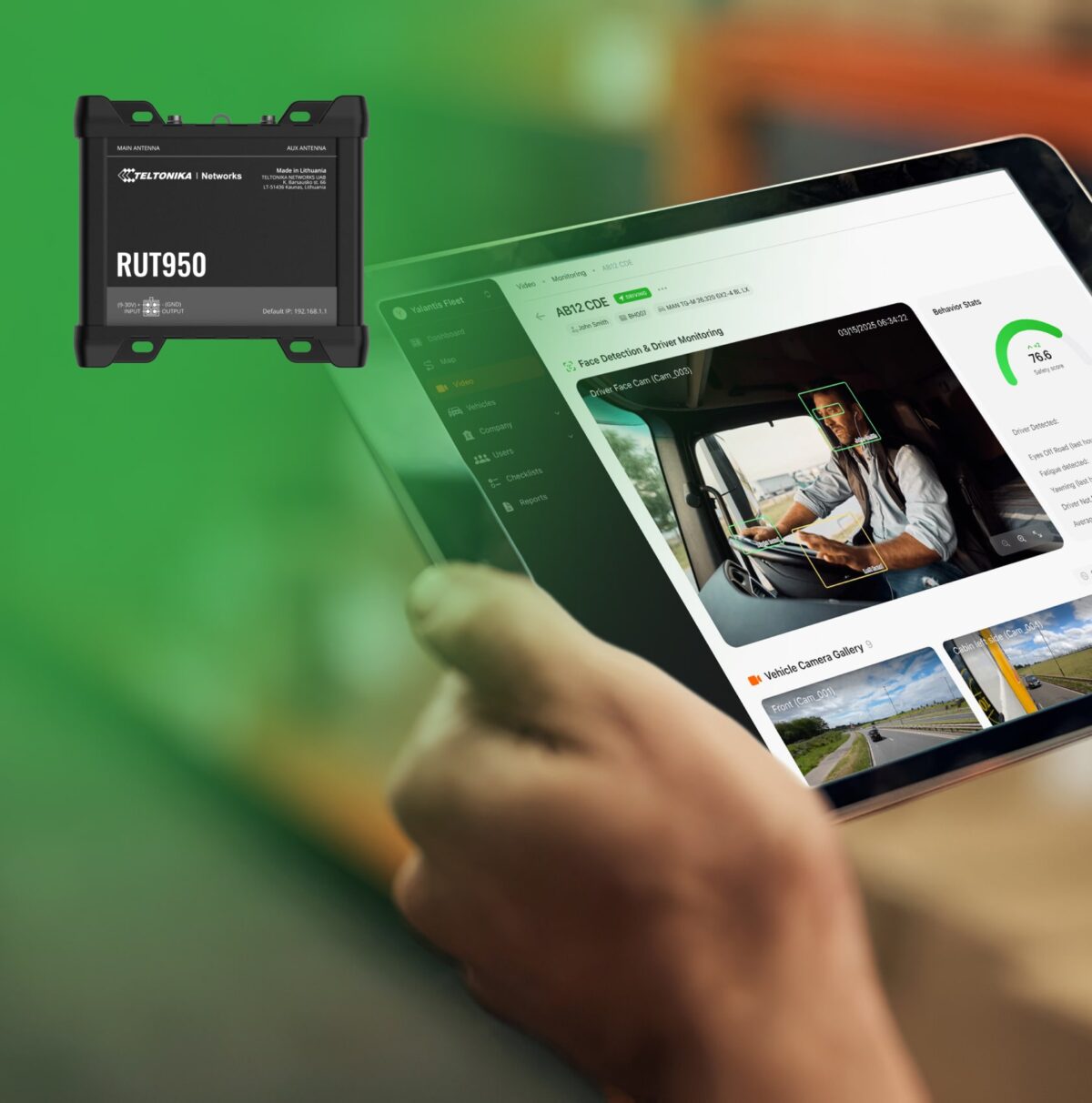
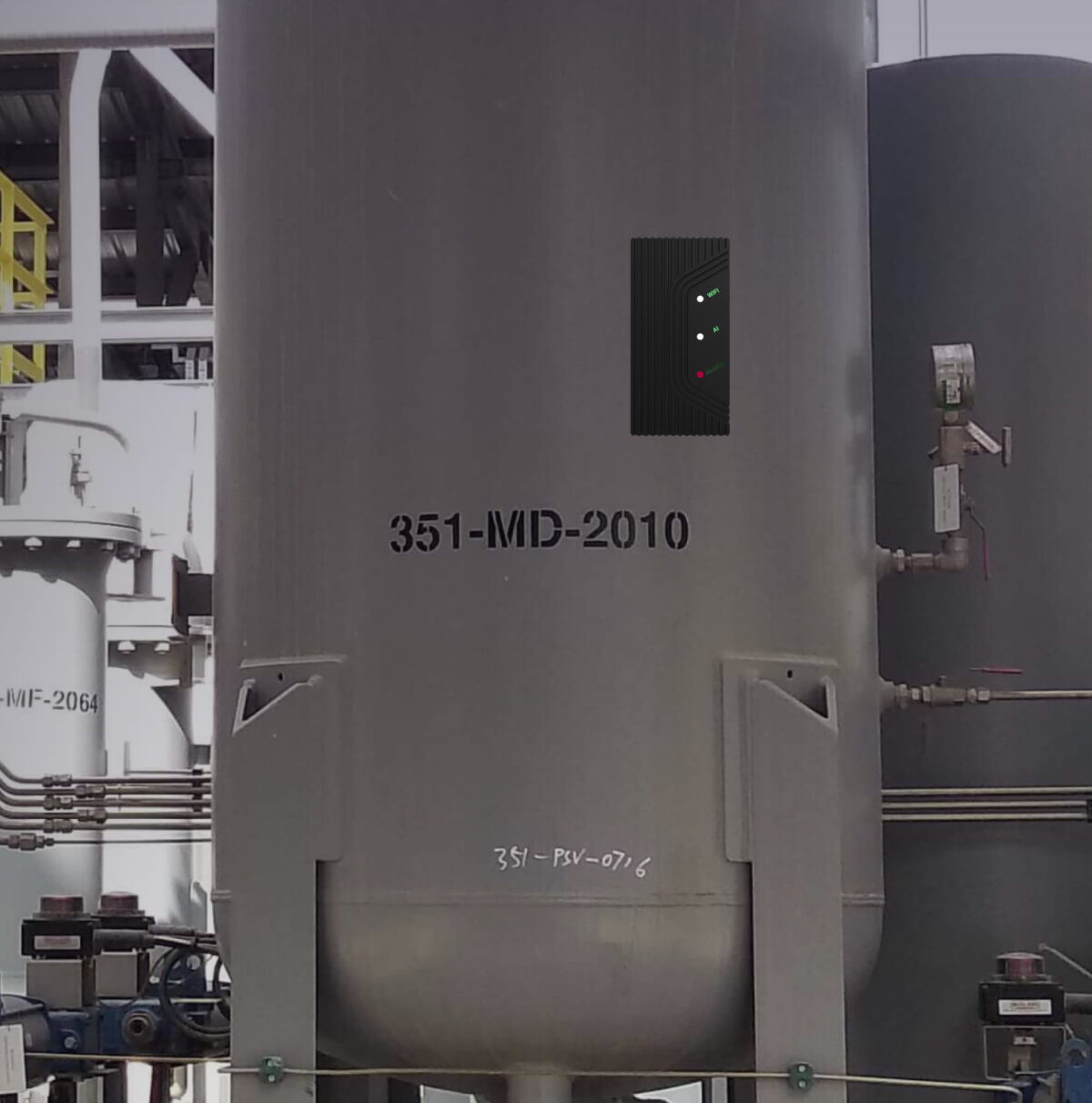
Connected industrial sensors and gateways
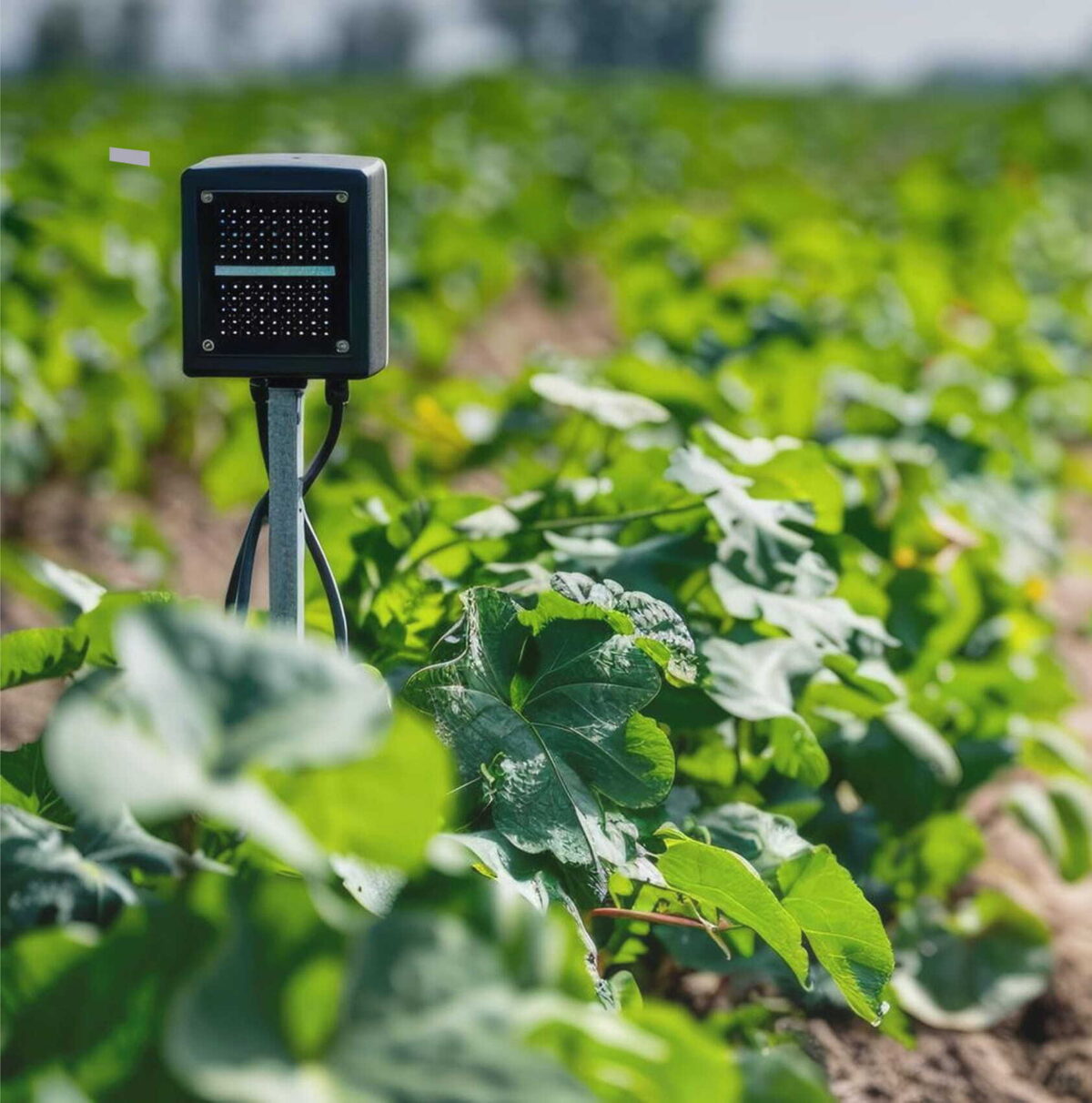
Ruggedized IoT devices for industrial automation and control systems, with fieldbus or cellular backhaul, built for the temperature range and sealing class the site demands.
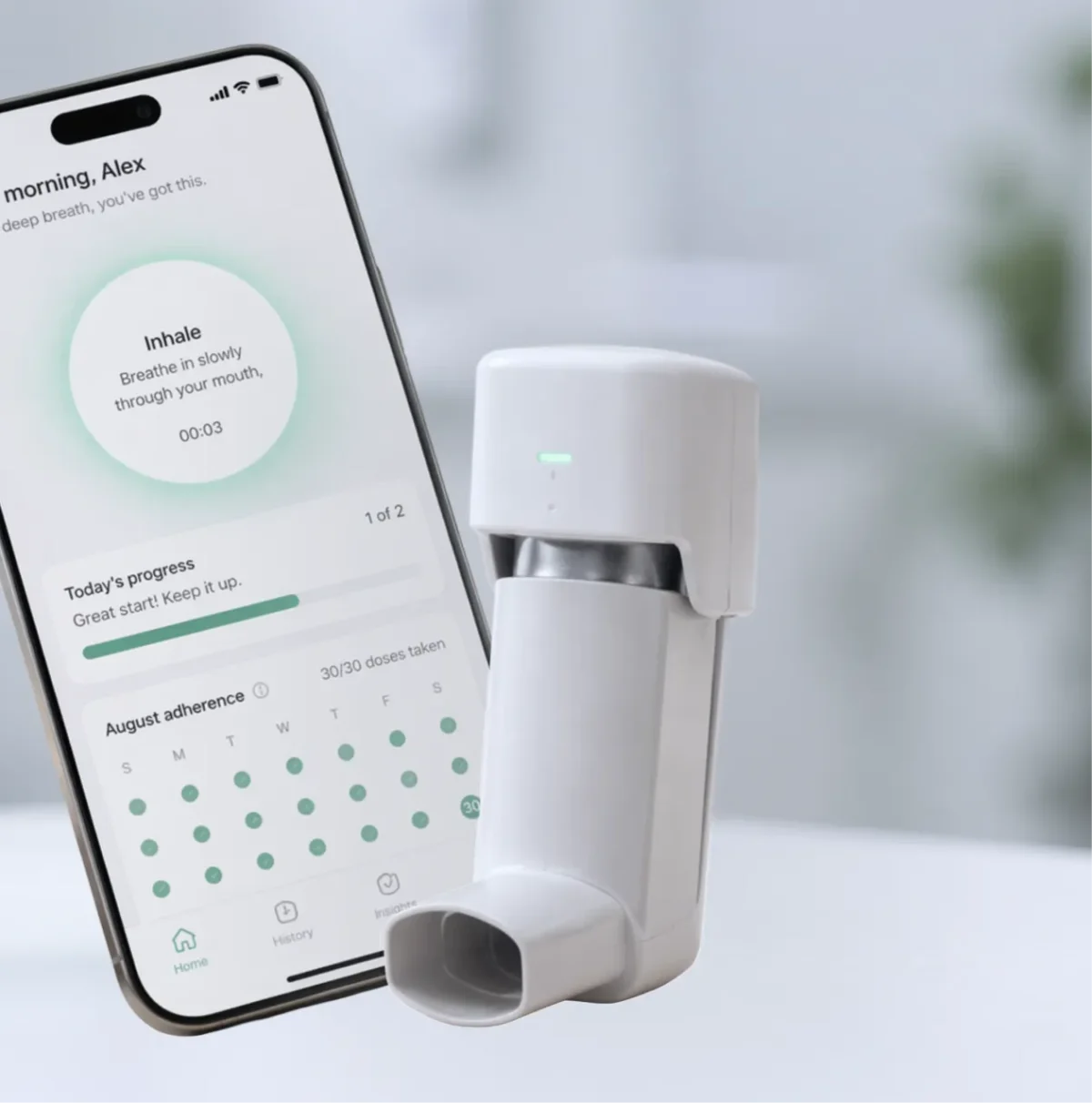
Medical and wearable devices
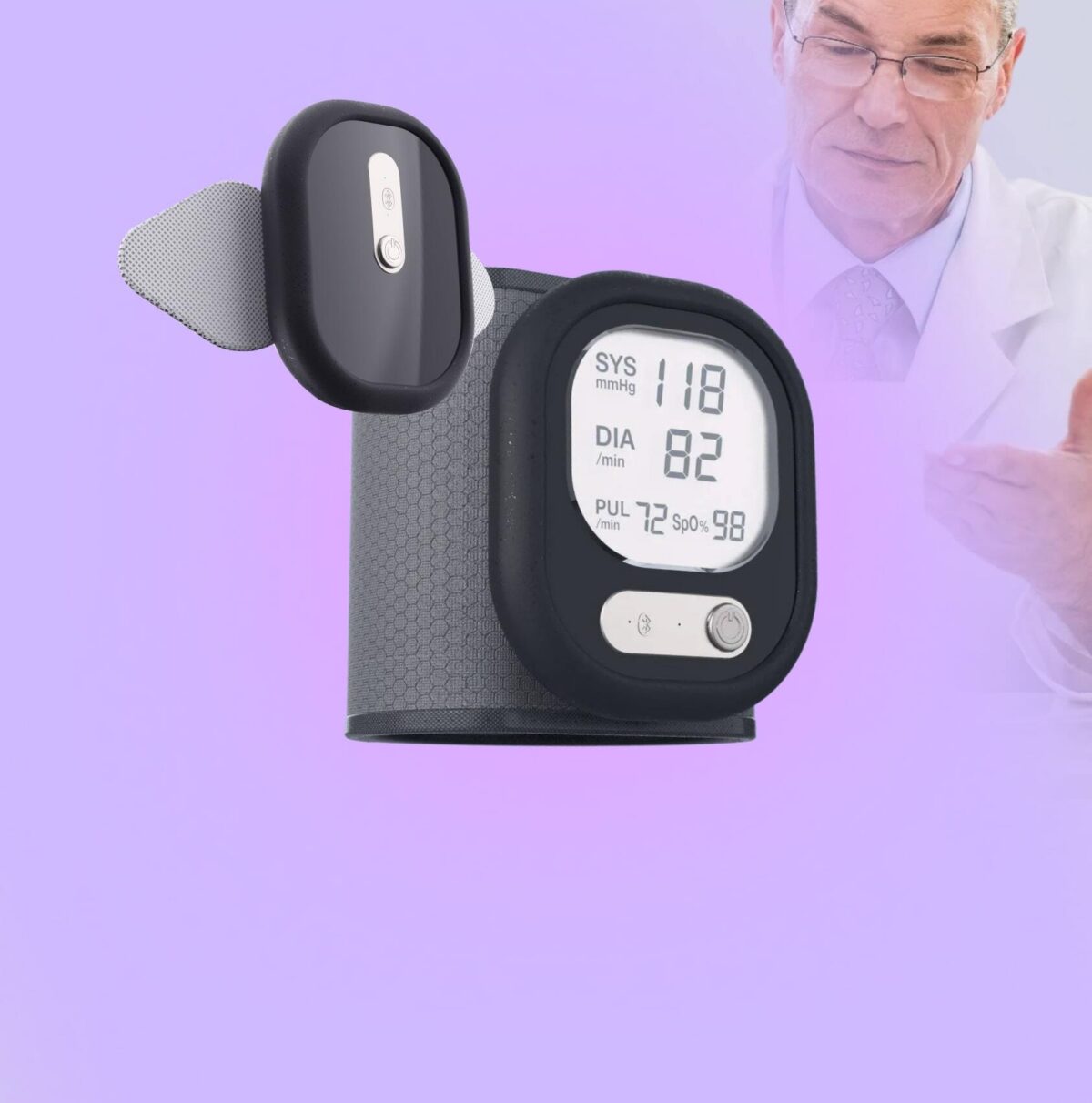
Wearables and bedside units with precision analog front ends, biocompatible housings, and an ISO 13485 design history file written while the work happens.
Edge compute and acquisition platforms
Multi-channel acquisition hardware with FPGA or SoC processing on board, for programs where the raw stream is too fast or too private to send anywhere.
Consumer electronics and smart home devices
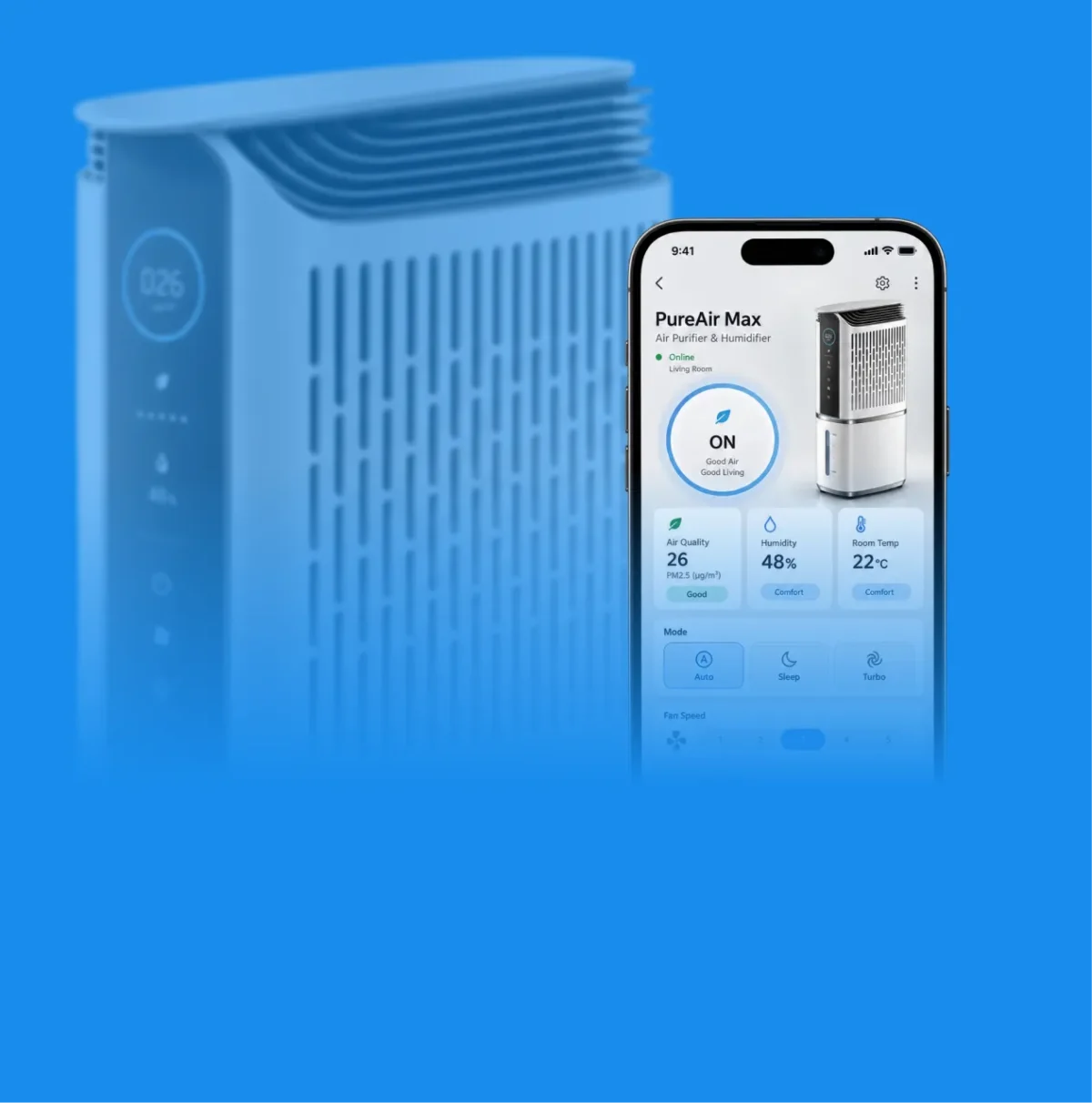
Cost-driven consumer electronics where the BOM target, the form factor, and the certification path have to be reconciled before tooling is cut.
Automotive and off-highway electronics
Vehicle and heavy-equipment boards designed to temperature and EMC expectations, including ADAS-adjacent sensing and video front ends.
Redesign of an existing product
A working device brought back into production: obsolescence resolved, unit cost reduced, and documentation reconstructed to a standard your factory can hold you to.
Kundenstimmen






Which technologies do we design with?
Our technology choice follows your compliance requirements, your volume, and the code you already own. Here is the stack our teams reach for most.
technologies

NXP i.MX

STM32

Nordic nRF

Espressif ESP32

Raspberry Pi CM

NVIDIA Jetson

AMD Xilinx

Intel Altera

Microchip PolarFire

Gitter

Altium Designer

Cadence Allegro

KiCad

SolidWorks

Fusion 360

Autodesk Inventor

Ansys

HyperLynx

COMSOL Multiphysics

Vivado

Quartus Prime

Rust

C
C++

VHDL

Verilog

SystemVerilog

Zephyr

FreeRTOS

Eingebettetes Linux

Yocto

BLE

WLAN 6

LoRaWAN

LTE-M

NB-IoT

Materie

Faden

MQTT

CAN

EtherCAT

Modbus

AWS IoT Core

Azure IoT Hub
Standards we design and document to

IEC 62443
IEC 60601-1
IEC 62304
ISO 14971
ISO 26262

IPC-2221
IPC-6012
IPC-A-610
IEC 60529

FCC Part 15

CE RED

EU-MDR

FDA 21 CFR 820

ETSI EN 303 645

UL / CSA

ATEX

IECEx

RoHS

REACH
Hardware engineering insights

Artikel
Wie man 2026 ein Hardware-Produkt entwickelt: Ein kompletter Leitfaden
Ein vollständiger Leitfaden zur durchgängigen Hardware-Produktentwicklung. Phasen, Compliance, Tools und wie Sie das richtige Engineering-Team von Yalantis-Experten auswählen.
Artikel
Wie man die Stücklistenkosten senkt, ohne die Produktqualität zu beeinträchtigen
Erfahren Sie, wie Sie die Stücklistenkosten senken, ohne die Produktqualität zu beeinträchtigen. Erfahren Sie, wie frühe Designentscheidungen und Verbesserungen der Hardware-Architektur die Fertigungskosten bei der Massenproduktion senken.

Artikel
Wie man 2026 ein IoT-Gerät baut: Ein Leitfaden für den gesamten Lebenszyklus
Ein umfassender Leitfaden führt von Hardware und Firmware über Konnektivität und Cloud bis hin zur Compliance-Arbeit, die darüber entscheidet, ob ein vernetztes Produkt auf den Markt kommt oder scheitert.
Verwandte Dienstleistungen und Branchen
Why choose Yalantis for hardware design?
An in-house R&D lab in Warsaw
We assemble and bring up boards in our own workshop. Firmware engineers work next to the test bench, so design questions can be resolved the same day instead of waiting through another shipping cycle.
Product engineering with software depth
We are a hardware design company backed by a 400-person software organization. Hardware and software decisions are made together, so each side is designed around the requirements of the other.
Zertifizierungen, die Sie einem Auditor vorlegen können
ISO 9001, ISO 27001, and ISO 27701 are re-audited annually. Medical projects run under ISO 13485, and industrial systems are designed with IEC 62443 requirements in mind. We support 20+ certifications and have carried 25+ FDA and CE approvals through.
One team from schematic to cloud
PCB, embedded, and backend engineers work side by side. Interfaces are agreed on early, reducing costly changes when hardware and software finally come together.
Rust, bei dem ein Speicherfehler einen Rückruf bedeuten würde
We adopted Rust early for embedded development. Existing C and C++ code can stay in place, while our engineers build and test safe boundaries between legacy code and new Rust components.
Kunden, die nach dem ersten Release bleiben
Our average client relationship lasts more than four years, with an NPS of 91 and 93% satisfaction. Programs for BSH and Toyota Tsusho have followed the same engineering model described here.
Where does your hardware program stand?
Tell us which stage you are in and what has already been built. We map the remaining work and the team shape it needs.
FAQ
-
What are hardware design services?
Hardware design services are the engineering services that turn a product concept into a manufacturable device: architecture, circuit design, PCB design, mechanical work, embedded hardware design, and a verified prototype.
A complete engagement ends with a manufacturing package: fabrication and assembly data, a controlled bill of materials, test documentation, and the compliance evidence your certification body asks for.
-
Was ist der Unterschied zwischen Hardware-Design und -Entwicklung?
Design answers what the device will be, and development builds it. Design covers architecture, component selection, circuits, board outline, and the housing concept, and hands over a documented plan you can build against.
Development is the execution: layout, firmware, first builds, test rigs, and the production handoff. We do both, which matters, because most of the expensive surprises in hardware development trace back to a design decision nobody checked against manufacturing reality.
-
Can you design hardware for an existing product line?
Yes, and it is a large share of what we take on. Typical requests are a cost-down of a board that shipped years ago, a redesign around an end-of-life microprocessor, adding connectivity to a legacy unit, or reconstructing documentation that never matched what the factory builds. We start by measuring what exists rather than trusting the file.
-
Who owns the design IP and the schematics?
You do. Schematics, layout source, CAD models, firmware source, and the full manufacturing package are your property, assigned in the contract before work starts. There is no proprietary layer you have to license from us to build your own hardware product.
Anything we bring in that predates your project, or any third-party IP block, is identified up front with its license terms, so nothing is ambiguous at handoff.
-
How long does a hardware design cycle take?
A carrier board or a focused hardware board design runs six to eight weeks. A complex multi-layer job runs 12 to 18 weeks through to a verified build. A full product, meaning electronics, housing, firmware, and pre-compliance, typically runs five to nine months from concept to production. What moves those numbers most is certification scope, how firm the requirements are at kickoff, and component lead times.
-
Do you provide IoT hardware design services?
Yes. Connected devices are where most of our work sits, and it is why clients shortlist us as an IoT hardware design company rather than a generalist. The specifics that matter are connectivity module selection, antenna placement, power budgeting against a battery life target, and secure provisioning. Because the same organization builds the embedded code and the cloud backend, the device, the protocol, and the data model get designed against each other instead of in sequence.
-
How do you engage, and can you do a design review without a full project?
We offer three options. Full design ownership covers the product from concept through production handoff. Team extension adds dedicated engineers to your team, working with your processes and tools. A design review assesses your circuits, PCB layout, or architecture and ranks findings by risk.
Design reviews are a common starting point. They are short and fixed in scope, with quick fixes separated from costly changes, so both sides get a clear picture before either commits to a larger project.
-
How much does custom hardware design cost?
Cost tracks scope and certification burden more than anything else. A design review sits in the low five figures, a focused board project is a mid five-figure engagement, and a full product development program covering electronics, mechanical work, firmware, and pre-compliance generally starts in the low six figures. We quote against a defined scope after feasibility, so the number rests on a reviewed architecture rather than a guess.
Erste Schritte mit Yalantis
Hinterlassen Sie Ihre Daten und ein paar Worte zum Projekt. Wir werden es prüfen und uns melden, um einen Termin zu vereinbaren.
Willkommen bei Yalantis. Bitte füllen Sie das Formular aus, wir melden uns dann bei Ihnen.

Vielen Dank, dass Sie uns kontaktiert haben.
Behalten Sie Ihren Posteingang im Auge. Wir werden uns in Kürze bei Ihnen melden. In der Zwischenzeit können Sie sich unsere besten Fallstudien ansehen und Kundenfeedback auf https://clutch.co/profile/yalantisu0022 target=u0022_blanku0022 rel=u0022noopeneru0022u003eClutch.u003c/au003eu003c/pu003e lesen.