

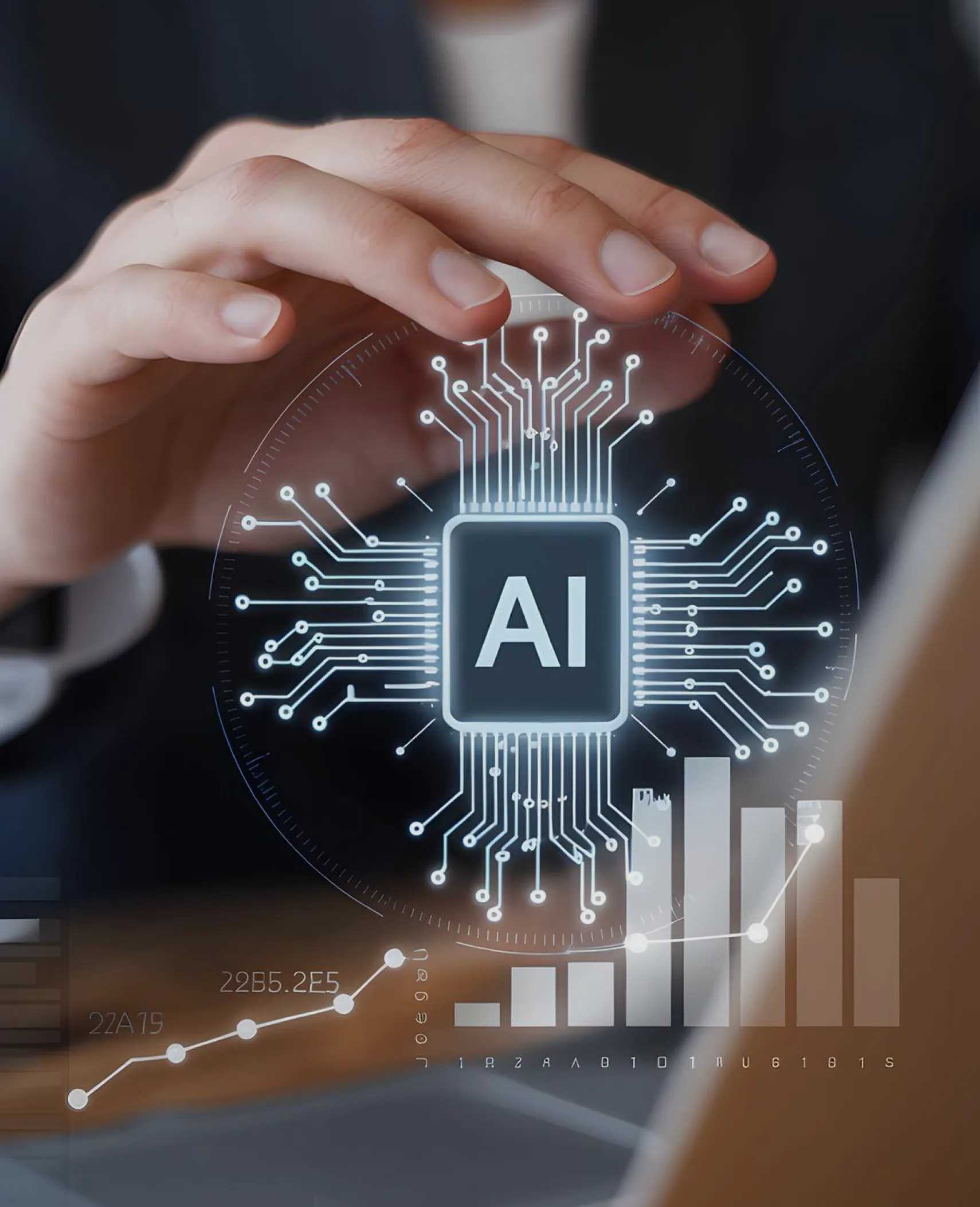
AI-powered PDLC by Yalantis is our proprietary framework that integrates AI across the entire product development lifecycle. We use AI to build your product faster and to a higher standard.
AI-Powered Product Development Lifecycle
Accelerated by AI. Governed by engineers.

40%
less effort
on documentation
53%
higher first-pass
test success
30%
faster incident
resolution
35%
faster delivery
40%
fewer compliance
errors
Same scope. Faster delivery. Smaller budget.
We use AI to accelerate every stage of the product development lifecycle, while our engineers stay the ones who review, decide, and own every output. We bring established pipelines, reusable architecture patterns, and built-in compliance controls refined through our own delivery history.
Built-in advantages of Yalantis’s AI-powered PDLC

Faster time-to-market
AI clears the repetitive work so your product ships sooner. With AI-powered PDLC, Yalantis delivers up to 40% faster.
Move fast and stay compliant
While accelerating delivery, we keep the same quality, security, and compliance controls your auditors already established.
One framework for software and hardware
AI assists both hardware and software development with one team maintaining accountability and a unified audit trail.
Your data stays yours
For sensitive work, the AI-powered PDLC framework can run on isolated or locally hosted models inside your own environment, so your code and intellectual property stays secured, not getting to anyone else’s training data.
No costly over-engineering
Before the scope is locked, an internal model tuned on hundreds of Yalantis’ projects weighs your options on cost and performance, and flags over-engineering before it affects the budget.
Automate documentation
Every deliverable is linked back to its requirements, and documentation stays up to date throughout development, keeping the project traceable and audit ready.
Delivery phase-by-phase: AI-accelerated, human-governed

Phase 1: Engagement and presale alignment
AI searches for relevant reference architectures and compares them with the proposed approach to highlight known edge cases and feasibility risks before a contract is signed.
Architects and security leads validate and finalize the proposal and check planned data use against relevant compliance standards.
Phase 2: Discovery and solution design
AI offloads note-taking from workshops, drafts early requirements, and profiles your data to surface gaps and quality issues early.
Analysts and architects define the scope and challenge assumptions before they become formal commitments.
Phase 3: Development
AI generates boilerplate and repetitive code to help teams keep delivery speed without wasting senior engineering time on low-value tasks.
Senior engineers own the code. They review, version-control, test, and verify every generated output against project standards and product requirements.
Phase 4: Deployment and scaling
AI monitors system performance and identifies bottlenecks, anomalies, and emerging issues as load increases.
Engineers control scaling and releases, making the final decisions for the systems they own. Release quality stays tied to human accountability
Phase 5: Active maintenance
AI tracks production systems, detects unusual behavior, and supports root-cause analysis to shorten incident recovery.
Engineering teams govern changes, moving updates through auditable release processes and catching model drift before it affects users.


Risks we address with AI-powered PDLC
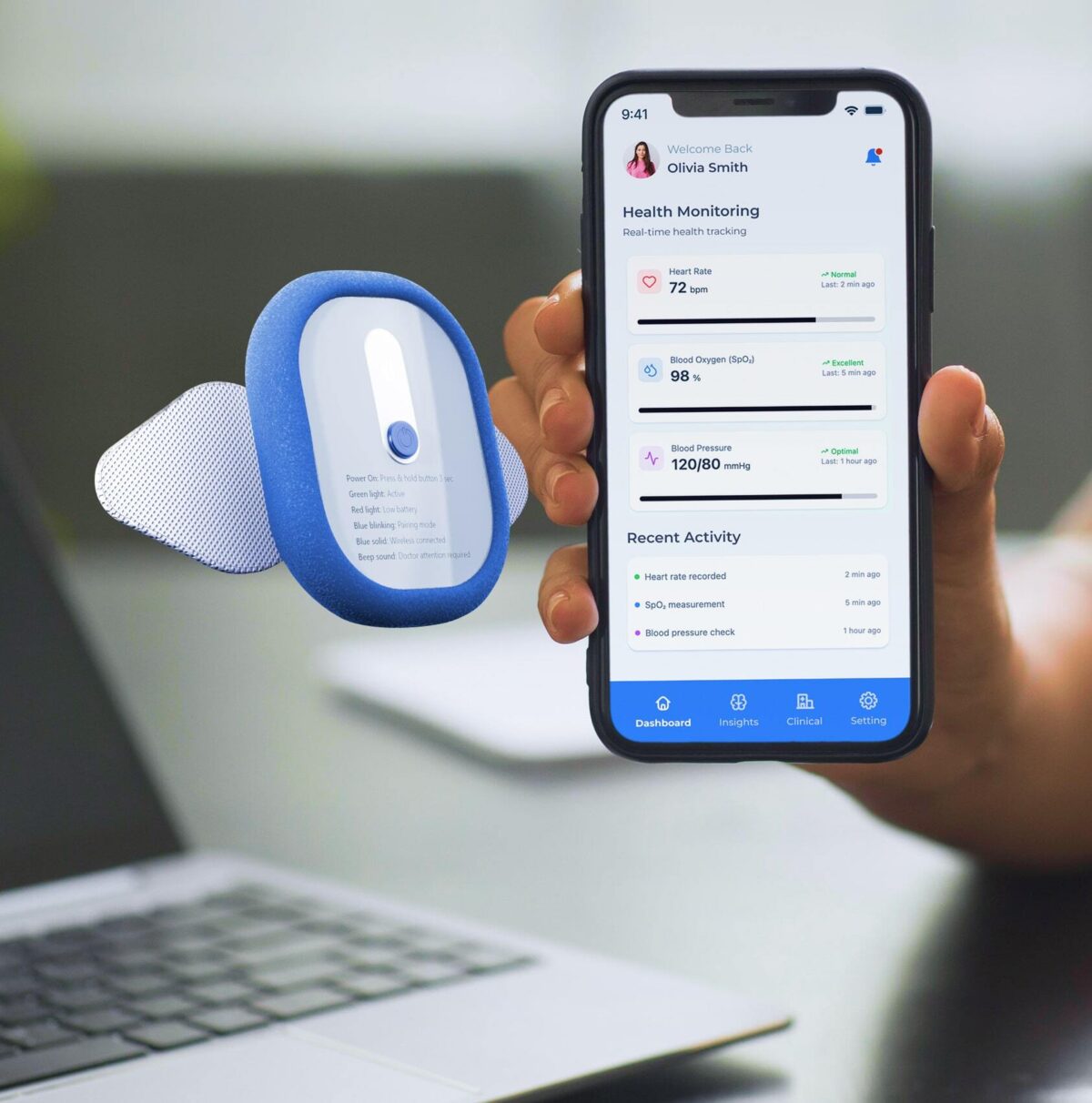
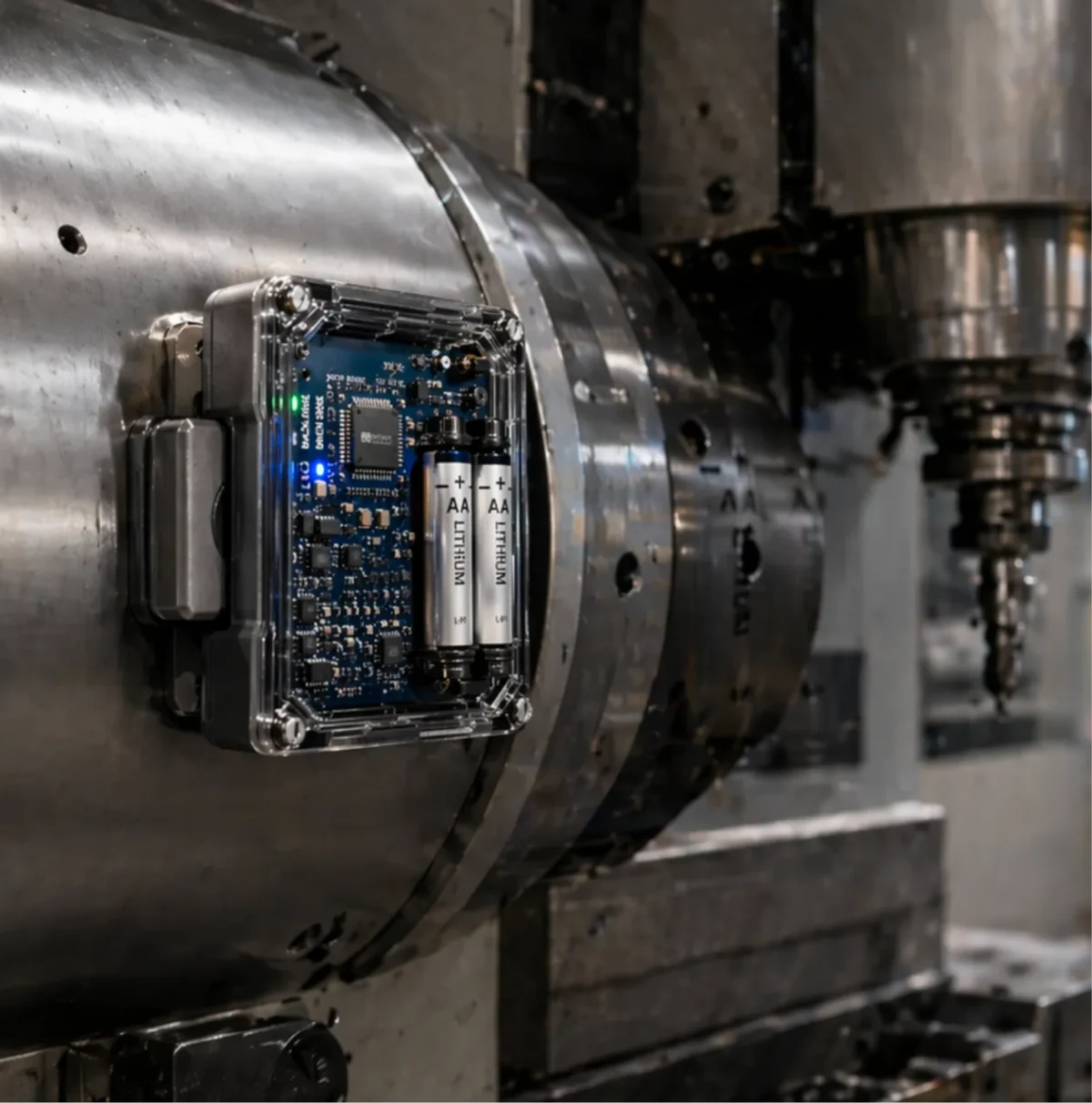
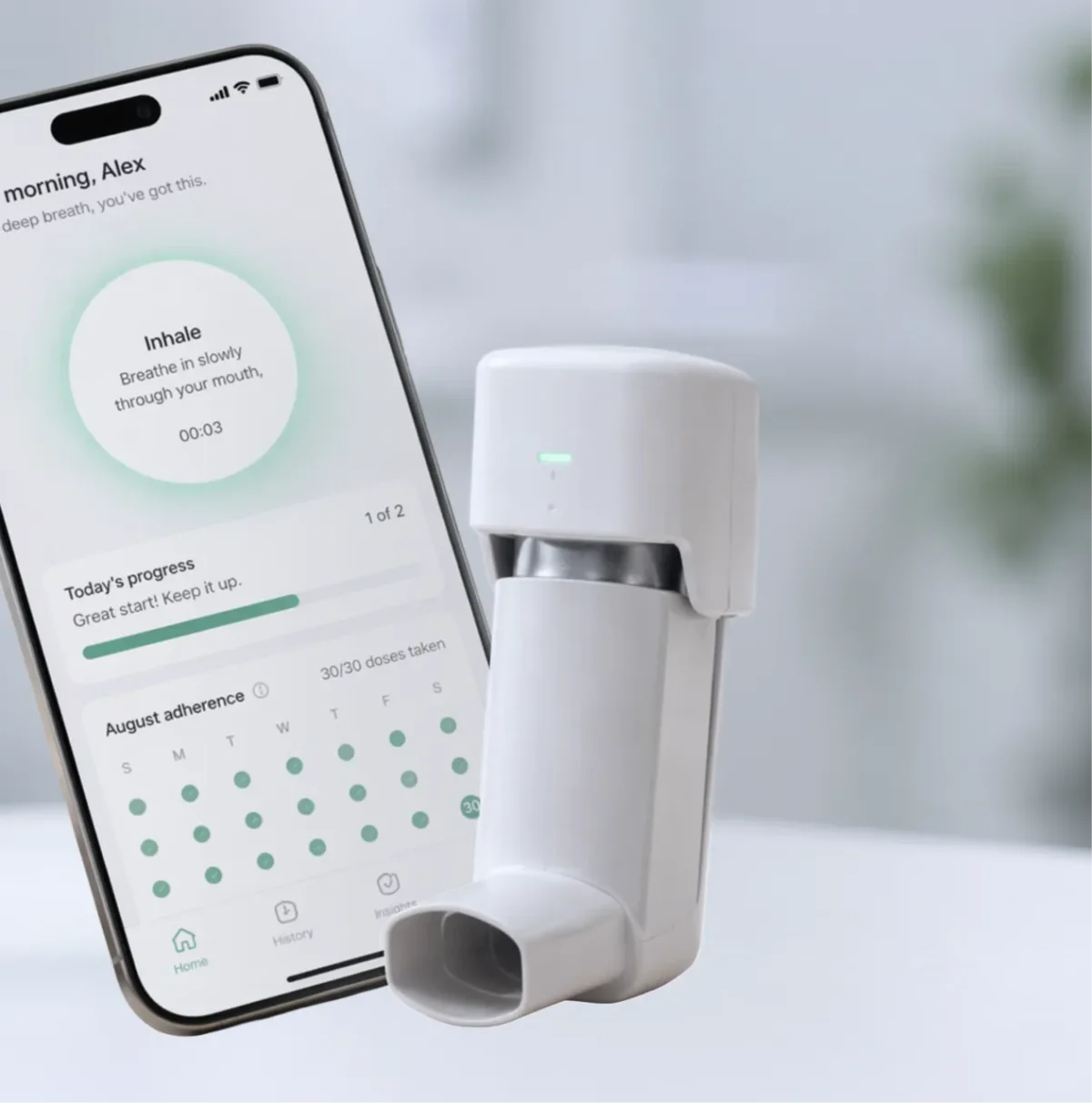
Why teams pick us for wearable app development
Our wearable app development services keep the firmware and the app on one team, and everyone on it has shipped connected products before.
AI outputs get lost between tools
AI-generated work stays in private chats and standalone tools. The output never connects to the tickets and code where delivery actually happens.
Solution: We connect AI to approved project systems and return each output to the workflow where it belongs.
Teams waste time moving context manually
Product context is split across multiple systems, forcing teams to copy information manually, and AI sees fragments instead of the full picture.
Solution: Our framework connects AI to approved project systems through controlled workflows. Teams spend less time copying information between tools and more time making product and engineering decisions.
Scattered project knowledge slows delivery
Teams lose time searching for earlier decisions and technical requirements before meaningful work can begin.
Solution: AI assembles the relevant project knowledge before each task starts. A developer opens a ticket with the design and notes already attached. A QA engineer drafts test coverage from the same source.
Unmanaged AI creates security and accountability gaps
When every team uses its own tools, control slips. Sensitive data drifts into unmanaged systems, and no one can reliably trace what AI accessed or produced.
Solution: AI stays inside governed workflows with role-based access and mandatory human approval.
Broken traceability creates more work
As work moves across tools and teams, the link between a requirement and the code that delivered it gets lost. Audits and handovers turn into detective work.
Solution: The framework keeps that line intact inside your project systems. You can follow a requirement from task to code to test to release.
Senior experts lose time to routine tasks
Architects and leads lose hours to summaries, status updates, and routine checks. That work matters, but it isn’t where their judgment pays off.
Solution: AI clears the routine load. Your specialists stay on the calls that need them, like architecture trade-offs and security risks.
Compliance tailored to your industry
The framework’s core stays the same. What changes is the compliance layer, tailored to the regulations and standards that govern your product.
Healthcare:
HIPAA

GDPR

HL7/FHIR

HITRUST
MedTech:

FDA 21 CFR Part 820

EU MDR
IEC 62304

ISO 13485
ISO 14971
Industrial & Manufacturing:
ISO 27001
IEC 62443
NIST
Logistics & Supply Chain:
GDPR
ISO 27001
Pharma:

GxP (GMP/GLP/GCP)

21 CFR Part 11

GAMP 5
Smart Building:
ISO 27001
GDPR
Agriculture:
GDPR
ISO 27001
Defence:
NIST 800-171

CMMC

ITAR
Automotive:
ISO 26262
ISO/SAE 21434

UNECE WP.29
How we keep every AI-powered PDLC phase secure
How we keep every AI-powered PDLC phase secure
People approve what matters
AI can draft, analyze, and recommend. What it can’t do is approve a merge or ship a release. Those calls stay with a person.
Access follows real permissions
AI only reaches the systems and data it is authorized to use. There’s no all-access AI account sitting above your permissions.
Every action remains auditable
The framework records the path from AI input to human approval. Teams have a clear history of how decisions were made.
Only approved tools connect
Each AI-connected tool passes a security review before it enters the workflow. Teams do not wire private tools into delivery without governance.
Sensitive data stays controlled
For regulated or IP-sensitive projects, the framework can run on isolated or locally hosted models inside your environment, minimizing external data exposure.
Get the most value from AI in your delivery process.
Partner with Yalantis for secure and compliant automation through the entire PDLC lifecycle.
On a framework discovery call, you’ll get:
- Detailed assessment
- Bottleneck analysis
- Secure AI implementation roadmap
Welcome to Yalantis, please fill out the form and we’ll get back to you.

Thank you for contacting us.
Keep an eye on your inbox. We’ll be in touch Meanwhile, you can explore our hottest case studies and read client feedback on https://clutch.co/profile/yalantisu0022 target=u0022_blanku0022 rel=u0022noopeneru0022u003eClutch.u003c/au003eu003c/pu003e