
Key takeaways:
- The one-time medical device sales model is becoming harder to sustain.
- Adding cloud software creates new ways to earn ongoing revenue.
- Cloud-connected models need business changes, not just tech tweaks.
- Dexcom, Medtronic, and Apple are already seeing impact from cloud use.
- A successful cloud transition depends on having the right tech foundation in place.
- The shift to cloud works best when done step by step, from assessment to rollout.
In our recent articles, we explored how to turn a patient-facing app into a certified SaMD product, and how to plan smarter for EHR integration in 2026. But many teams today are facing an even bigger shift in the way their businesses operate.
Across medtech, companies are rethinking the old model of one-time device sales. That approach worked for a while, but now it’s starting to strain. Devices are getting smarter, customers are asking for more, and support costs keep climbing.
To keep up, companies need to think beyond just shipping devices. They need models that scale, bring in ongoing revenue, and adapt as user needs change.
So how do you make that happen?
Let’s break it down step by step. We’ll look at what actually changes when you bring cloud software into the picture, what risks to plan for, and how leading companies like Apple, Dexcom, and Medtronic are making the move without burning through time, money, or trust.
The downside of staying hardware-only
To be honest, selling a medical device once and then supporting it for years feels… broken. It might have worked in the past. But today, things look different. Let me explain why.
Reason #1: Outdated revenue logic: sell once, support forever
You sell a $30,000 machine. Revenue lands once. But what happens next? You’re still on the hook, for training, firmware fixes, troubleshooting, updates, compliance checks. And you’re not getting paid for any of that. The customer expects ongoing support. You just keep spending.
Result? Your costs keep stacking, yet your revenue doesn’t.
Reason #2: High maintenance costs and limited innovation cycles
Every field call costs money. And each time you need to push a small update? Someone has to physically access the device, (or even worse, ship it back). The pace of innovation slows to a crawl because your product is stuck in the field, hard to access, and harder to upgrade.
|
Problem |
Impact |
|
On-site servicing |
High operational cost |
|
Infrequent updates |
Devices lag behind tech standards |
|
Complex logistics |
Slower innovation cycles |
Reason #3: No scalable feedback or data loops
Once your device is out in the wild, what do you really know about it?
- How is it used?
- What features go untouched?
- Are there early signs of failure?
Without real-time data, you’re working off assumptions. And over time, that makes it harder to improve the product, or support it properly.
Enter the cloud: a strategic shift in medical device business models
When you add the cloud to your devices, you’re changing how your business works. Here’s what that actually looks like.
SaaS & subscription models
Selling a device once and being done with it? That’s not enough anymore. With a cloud layer, you can offer features that people pay to keep using, like usage reports, remote control, or access to better support. It’s not just a one-time deal as you keep earning as long as the device stays useful.
Remote patient monitoring (RPM)
Once your device starts sending live data, it’s not sitting quietly in a clinic. It’s helping doctors see what’s going on with their patients, day by day. They can catch issues early, without waiting for someone to walk through the door. That makes your device a daily tool, not just something they use when there’s a problem.
Data intelligence
Chances are, your devices already track a lot. But if you’re not connected, that data disappears. With the cloud, you can finally see how people actually use your product. You’ll spot what gets ignored, what breaks often, and what works better than you thought. No surveys. Just real usage, in real time.
Predictive maintenance
Breakdowns happen, and it’s just part of reality. But when your devices can flag issues before they become serious, you’ve got a shot at fixing things early. Less downtime for your customers, fewer urgent support calls for your team. That saves everyone time and money, and it builds trust, fast.
Field service optimization
Here’s where things get lean. When you know what’s wrong before anyone even picks up the phone, you can avoid a truck roll altogether. Some problems can be fixed from your desk. And when a tech does need to go out, they’ve already got the right tools and the right part. They bring the fix the first time.
Business advantages of cloud-enabled medical devices
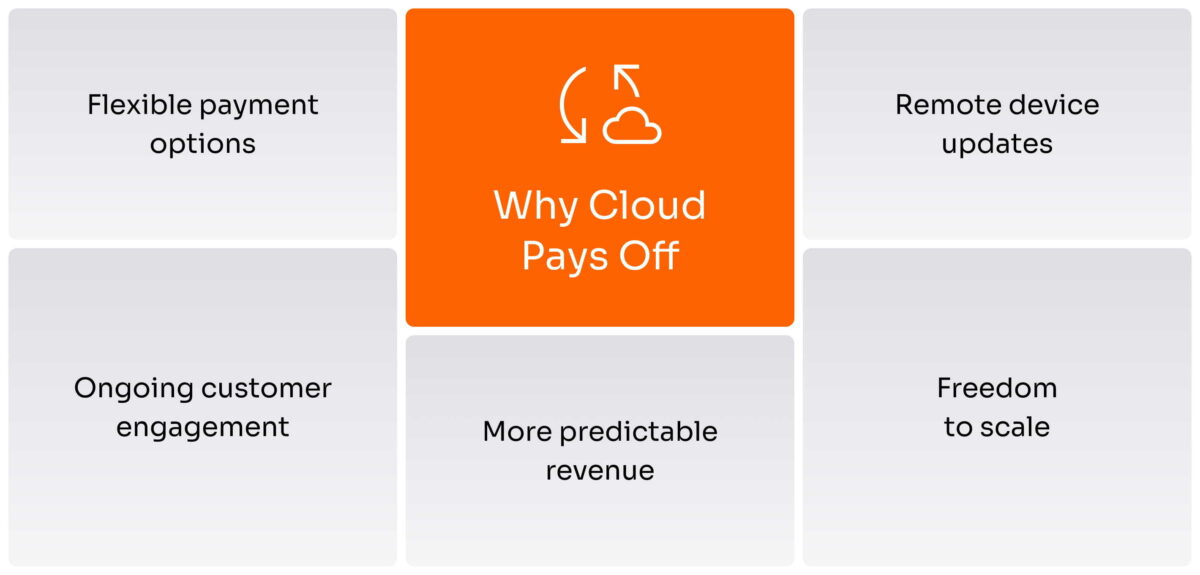
You have to understand that once your device connects to the cloud, some things change. Here’s what starts to happen:
- Customers don’t need to pay everything upfront
You give them the option to pay over time, which makes your offer easier to say yes to. It also means you don’t have to chase the next big deal to stay afloat. - You can update devices without stepping on-site
No more scheduling service calls just to update software. You can handle most fixes and upgrades quietly, without getting in the way. - You stay part of the customer’s workflow
Instead of disappearing after delivery, you stay involved. That might be through performance tips, usage insights, or small improvements that keep the product feeling new. - Your numbers start to look more stable
With income coming in regularly, planning gets easier. It also makes your business look more mature, which matters if you ever raise money or talk to investors. - You can grow without relying on the next big deal
When money isn’t all tied to new sales, you can think longer term. Whether that’s hiring, launching new features, or testing new markets, you’ve got space to move.
Risks and realities in the transition
Going cloud-first comes with real advantages, but it’s not a switch you flip overnight. Here’s what we at Yalantis recommend to watch out for as you make the move.
Regulatory shifts: SaMD vs. SiMD
When you move core features from the device into the cloud, your classification might change. What used to be “Software in a Medical Device” (SiMD) could now be considered “Software as a Medical Device” (SaMD). That shift brings new regulatory pathways, and possibly a longer approval timeline. Before building anything, double-check what the FDA or MDR will expect from you.
Cybersecurity and data protection
More connectivity means more exposure. You’re now responsible for patient data in transit and at rest. That includes access control, encryption, and breach response plans. Security can’t be bolted on later as it needs to be baked into the architecture from the start.
Interoperability challenges
No healthcare system is built the same way. Your cloud-based solution will likely need to talk to hospital platforms, EHRs, third-party apps, and more. Without solid APIs and integration planning, you risk becoming a silo, or worse, getting ruled out completely.
Dealing with legacy devices
Chances are, you already have thousands of devices out in the field. Replacing them all isn’t realistic. You’ll need a plan to retrofit or bridge those older models to your new cloud setup, whether that’s through edge gateways, local sync, or firmware updates.
Offline-first design still matters
Connectivity isn’t guaranteed, especially in clinical or rural environments. For anything time-critical, like alerts or surgical assistance, the device still needs to work even if the cloud drops out. The cloud can handle analytics later, but the device must stand on its own when it counts.
Know what not to stream
Some actions should never rely on the cloud. Think surgery, life-saving alerts, or anything with zero margin for delay. Those decisions should happen locally, on-device. The cloud is great for history, trends, and optimization, not real-time, high-stakes decisions.
Real-world innovators leading the charge
Now, let’s look at some of the biggest players in medtech (and beyond) who are using cloud-connected models to grow stronger businesses and deliver better care.
Dexcom
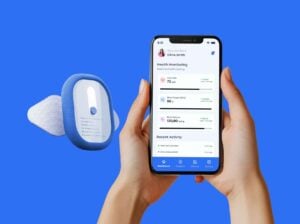
Dexcom didn’t stop at accurate glucose sensors. They built a full cloud-based ecosystem around them. Their CGM devices send continuous glucose data to a mobile app, which syncs to the cloud in real time. Patients receive patterns, alerts, and a clear picture of how their body responds to things like food, sleep, and stress. Clinicians and caregivers can access that same data remotely, helping them adjust care plans on the fly. This kind of visibility wasn’t possible before, and it’s now part of what makes Dexcom devices sticky, not just functional.

Medtronic
Medtronic has taken cloud integration seriously, especially in cardiac care. Their implanted devices send data automatically to the CareLink network, which is accessible to both clinicians and patients. This enables providers to spot changes in patient status early, well before symptoms become dangerous. It also saves time and cost by reducing in-office visits for routine checks. Medtronic now supports long-term, data-driven care management, directly tied to how the device performs.

Apple
While Apple doesn’t build regulated medical devices, they’ve influenced the space more than some traditional players. The Apple Watch now includes ECG monitoring, irregular heart rhythm alerts, and blood oxygen tracking, along with deep integrations through HealthKit. All of this data lives in the cloud and can be shared securely with apps, providers, or researchers. Apple built a health ecosystem where users expect constant feedback, and that’s shaping what patients, and doctors, expect from devices going forward.

Looking to build or modernize a medical device?
Technical and architectural pillars
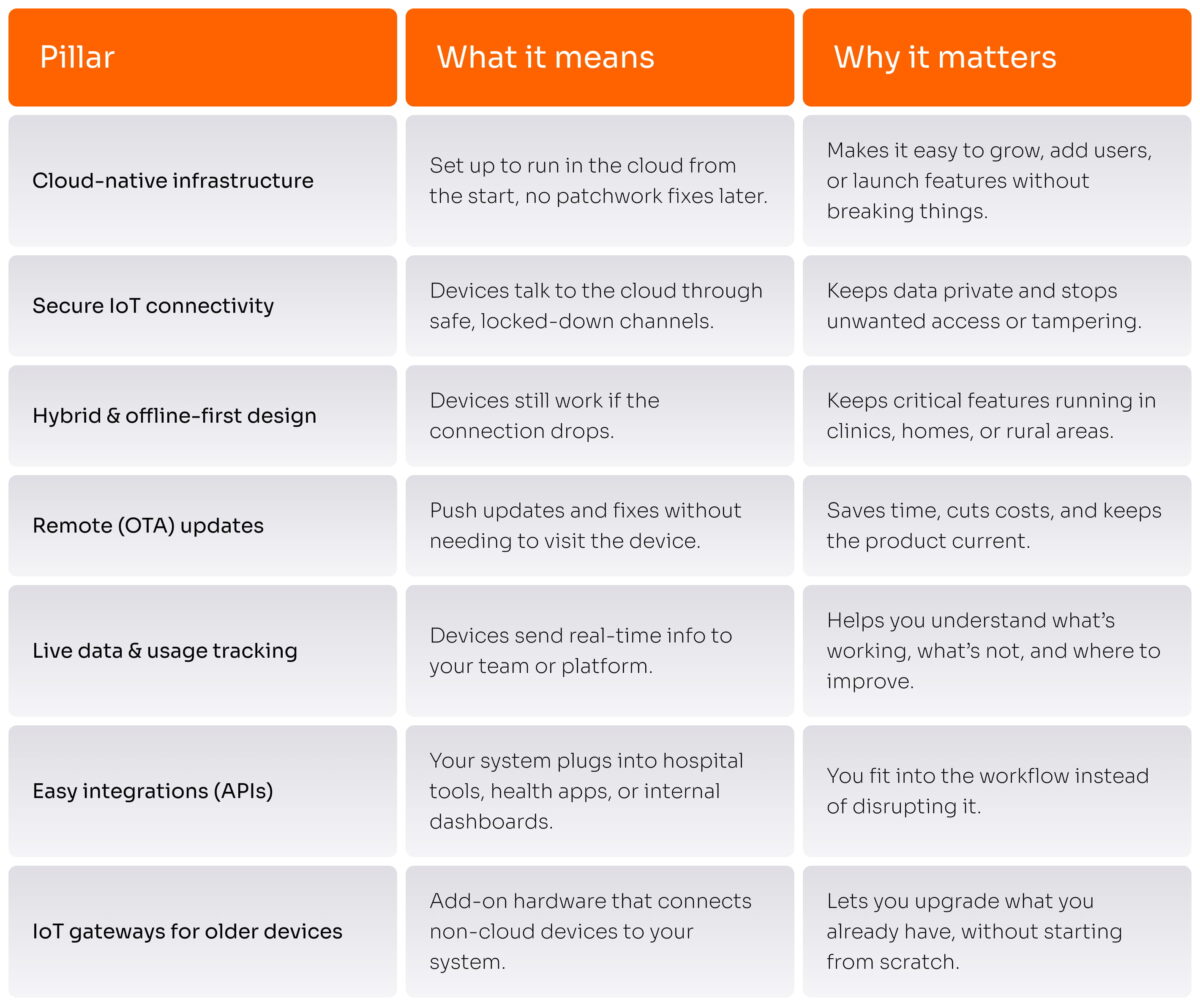
Companies like Dexcom, Medtronic, and even Apple have already shown what’s possible. Their success is clearly built on the right tech foundation.
So if you’re planning to move toward a cloud-connected model, the next question is: what needs to change under the hood?
Here’s a clear, no-fluff breakdown of the key building blocks you’ll need. This is what helps your devices run reliably, stay secure, and actually deliver value, both to your team and your users.
4 Steps to cloud transition
Rolling out cloud-connected devices isn’t something you rush. It takes clear steps, careful timing, and a solid understanding of how your product fits into the real world. The path below is one we often recommend for teams looking to make that shift with less risk—and stronger long-term results.
Step 1: Understanding what you’re working with
First off, take a full look at what you already have in place. What devices are out there? What kind of data do they create, and where does that data go? It’s also worth asking: where are the gaps? What’s missing that cloud tools could help fill?
At the same time, think through the business side. Will a cloud layer make the product more useful? Easier to support? More valuable to your customers? And if any part of the system starts to fall under SaMD, this is the right moment to understand how that could affect your regulatory path. Better to surface that early.
Step 2: Build a small, testable starting point
After that, it’s best not to jump into a full rollout. Instead, we recommend building a small version of what you want to launch, just enough to test the important parts. Maybe it’s one device model, or just a few features.
This helps you see how your setup handles things like security, remote updates, and data flow. And it gives your team room to tweak and improve before things go live.
Step 3: Pilot, learn, and prepare for approval
Then it’s time to try it out in the field. A pilot helps uncover what’s working and what needs more attention. You’ll see how users respond, where support questions come up, and what real-life usage looks like.
While that’s happening, it’s a good time to start preparing your FDA or MDR documentation. A well-run pilot often provides the kind of real-world data that makes approval easier, and shows regulators the system works safely and reliably.
Step 4: Roll out and plan for the long term
Finally, once things are stable and clear, the full rollout begins. That might include broader deployment, new pricing models, or adding more connected features.
This phase is also where lifecycle planning comes into play. How long will each device be supported? How often will updates be pushed? How will customer feedback shape the roadmap?
Yalantis is experienced in cloud transitions and can help you map all this out clearly, and avoid the common mistakes that slow teams down later.
Time to shift from device seller to healthtech platform
Now, let’s bring it all together.
Switching to the cloud is a smarter way to grow. You get steady revenue and stronger customer ties. And the product? It keeps getting better even after it’s out in the field.
At Yalantis, we work with medtech teams ready to make that shift. We’ve helped companies connect devices, meet tough regulations, and roll out cloud solutions that actually stick.
If you’re thinking about what’s next, our Yalantis experts are here when you’re ready to start. We’ll help you build something that’s secure, scalable, and built for the real world, because transformation should move your business forward, not slow it down. Let’s explore what that could look like together.