



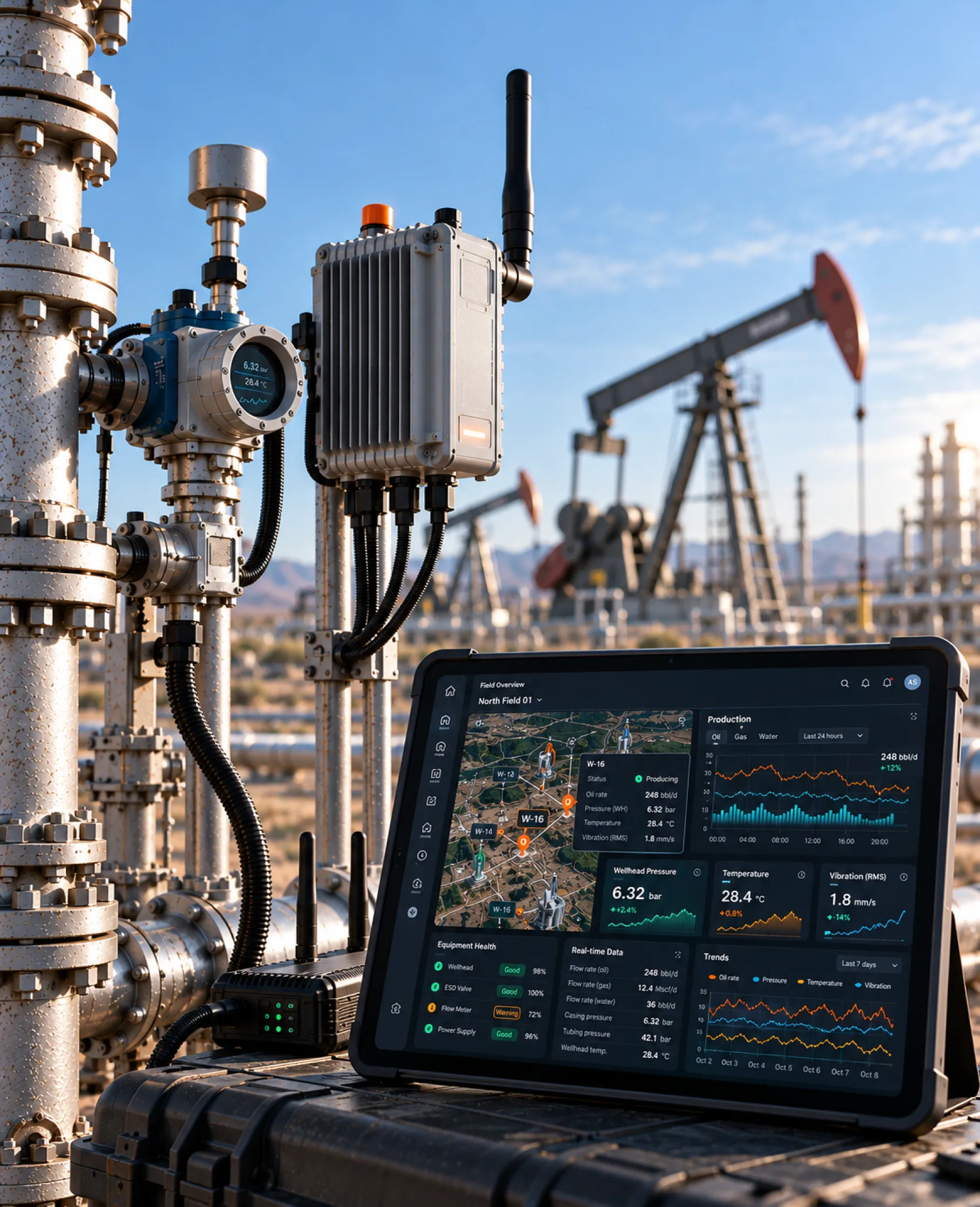
We build the layer that connects your field equipment to the cloud, from sensor retrofits and edge gateways at the wellhead to the oil and gas software solutions your teams work in every day. One engineering team owns that whole path, firmware included.
Oil and Gas Software and IoT Development Services

18+
Years
in software engineering
400+
Engineers
4+
Years average
client retention
91
Net Promoter
Score

Where field data usually gets stuck
Most oil and gas companies already have the sensors and the budget, so programs tend to stall on one of these four things.

Too many protocols
One pad can carry controllers from six vendors. We sort that out at the gateway, so everything above it reads a single data model.
Data that never leaves the historian
The tags are all recorded, and the monthly report still takes two days to put together. We add the asset context that makes a tag mean something outside the control room.
Control systems built to stay offline
SCADA installed a decade ago assumed an isolated network. We design the boundary around your operational technology to IEC 62443 before a single tag leaves the site.
Sites with almost no bandwidth
Remote pads rarely have a link you can count on. Our gateways hold data locally and do the first pass of analysis there, so what travels is a decision rather than a raw waveform.
Oil and gas software development services we provide
These are the systems that run day-to-day oil and gas operations, built around the equipment and workflows you already have.

Custom operations and production software
Software shaped around how your operation actually runs. Nine times out of ten it replaces the spreadsheet layer that grew up around your existing systems.
- Production and well performance tracking
- Equipment records and work order management
- Shift handover and daily operations reporting
- Role-based access for field and office teams

Field workforce and inspection applications
Mobile applications for inspectors and technicians that keep working with no signal and sync once the crew is back in coverage. We design for what someone can do while wearing gloves.
- Offline-first inspection forms and checklists
- Photo and voice capture tied to the asset
- Digital permits to work and safety sign-off
- Mobile app development for iOS and Android

Data platforms and production analytics
Time-series data and asset context in one place, with dashboards that answer what your operations team asks every morning. That covers oil and gas data management end to end, from ingestion through to the reports that come out the other side.
- Ingestion from field devices and historians
- Asset hierarchy and tag contextualization
- Production dashboards and KPI reporting
- Data quality monitoring and alerting

SCADA, historian, and OT data integration
We connect control systems and historians such as PI to your cloud, so operational data reaches your teams without disturbing what keeps the plant running. This is the layer most projects underestimate, and the one we spend the most time on.
- OPC UA, MQTT, and Modbus connectivity
- Tag inventory and mapping to an asset model
- Unidirectional gateways where policy requires them
- Store and forward for unreliable links

Compliance and HSE reporting automation
Reports assembled from source data instead of a folder of spreadsheets, so regulatory requirements are met without a scramble at month end. Every number stays traceable to the tag that produced it, which makes audits a great deal calmer.
- Emissions and flare reporting
- HSE incident capture and follow-up
- Audit trail behind every published figure
- Scheduled generation and distribution

Legacy modernization for brownfield systems
Older software still runs work that cannot stop, so we modernize it in stages. The usual first step is an API layer that lets new systems read from the old one while it stays in production.
- Audit of systems, dependencies, and data flows
- API layer over legacy databases
- Staged migration with parallel running
- Documentation for systems nobody has touched in years
Explore our more
IoT solutions for the oil and gas industry we build
Every one of these starts with equipment that was installed long before anyone planned for telemetry.
Remote asset and wellhead monitoring
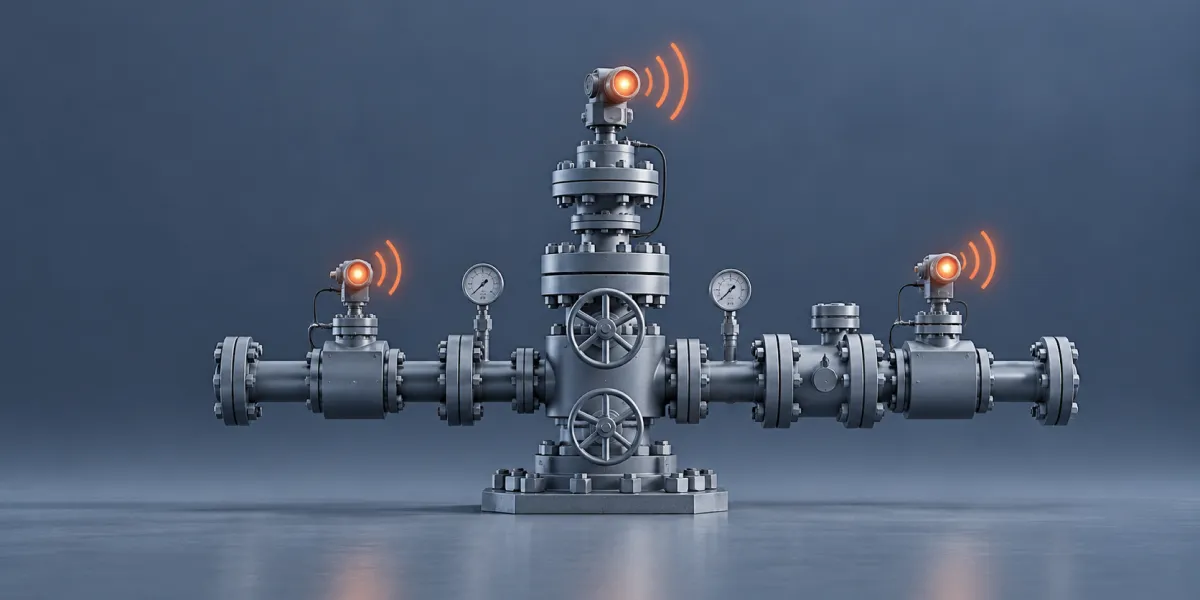
Pressure and temperature from wellheads and separators as real-time data, rather than readings that arrive on the schedule of a truck roll.
Predictive maintenance for pumps and compressors
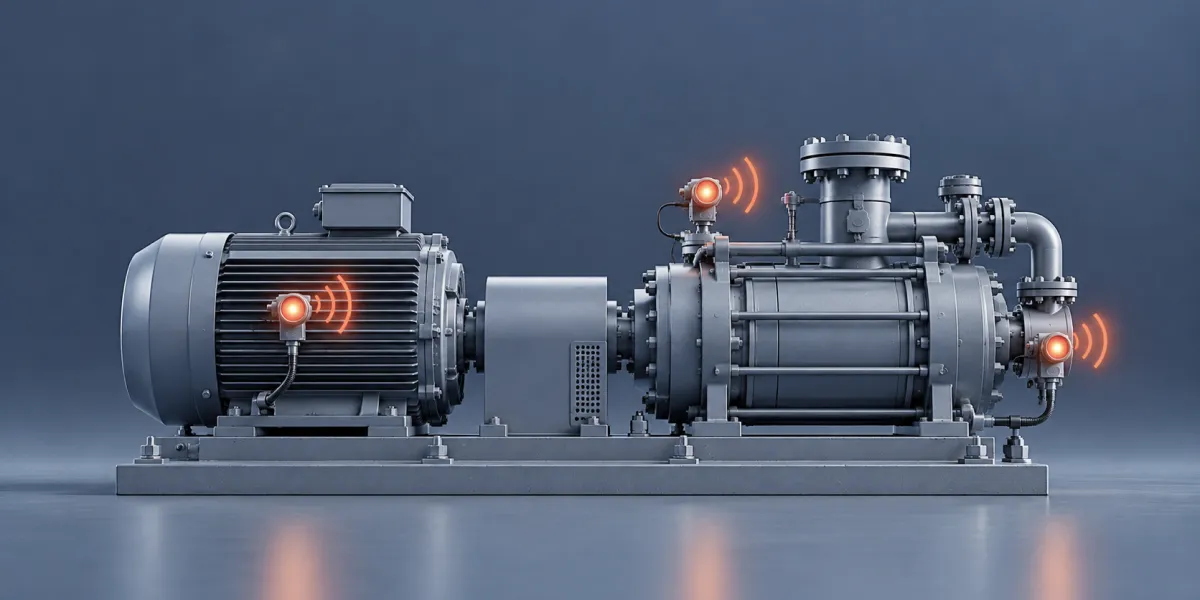
Vibration and thermal signatures modeled against known failure patterns, so equipment failures surface early and the maintenance call lands before the shutdown.
Pipeline monitoring and leak detection
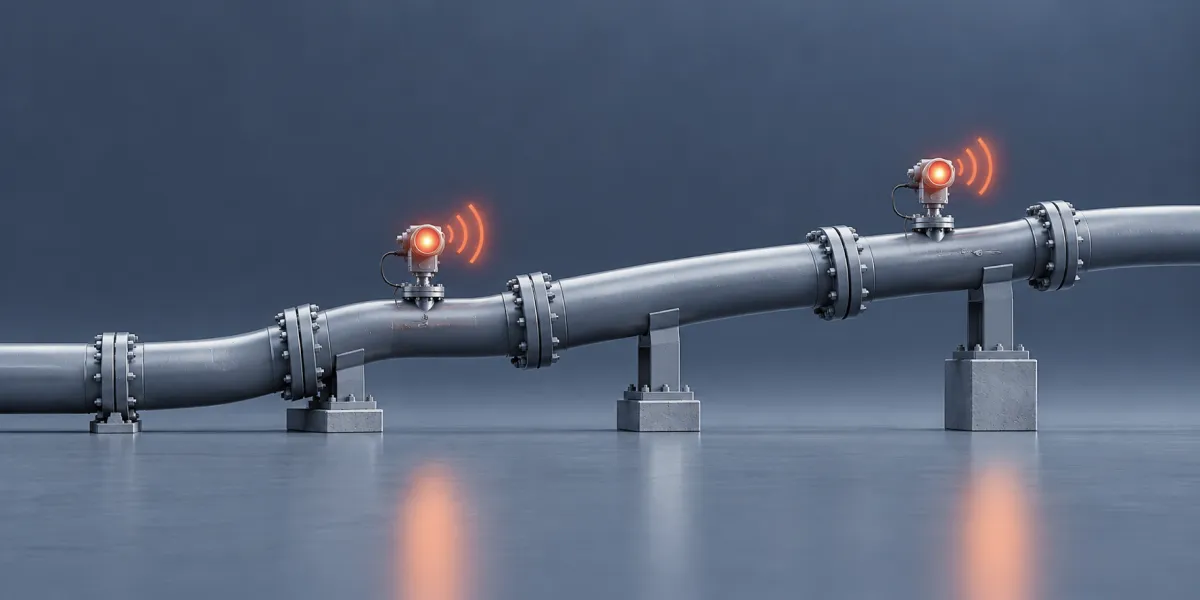
Flow balance and pressure gradient analysis across segments, with alerting tuned so crews keep trusting it.
Tank level, flare, and emissions telemetry
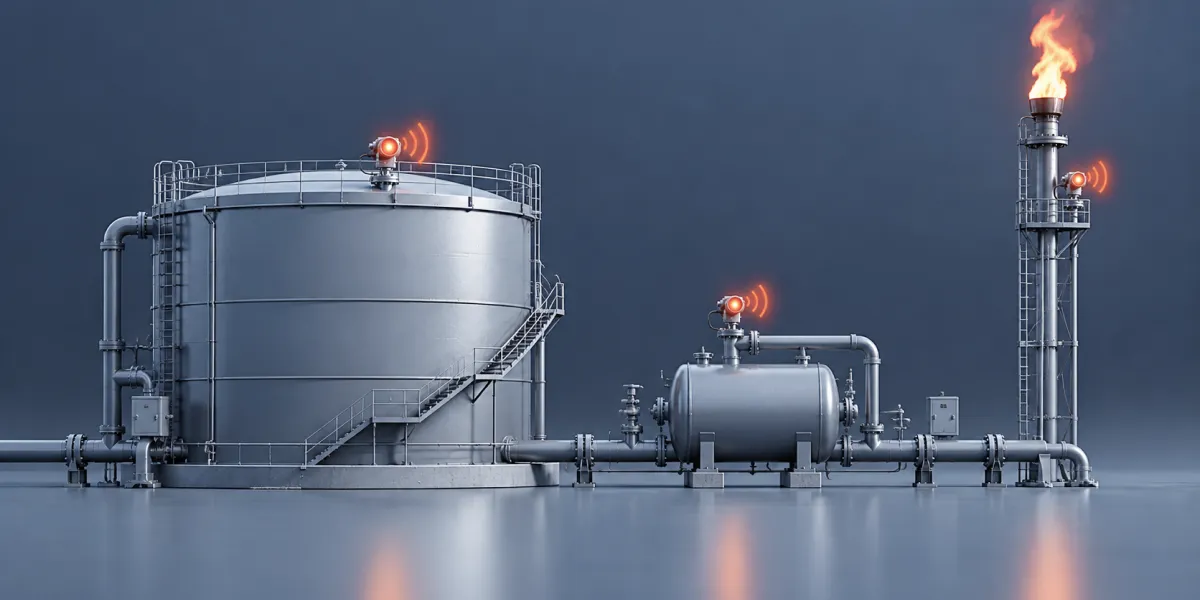
Custody transfer and emissions figures collected at the intervals regulators expect, from the same pipeline that feeds operations.
Edge gateways for low-coverage fields
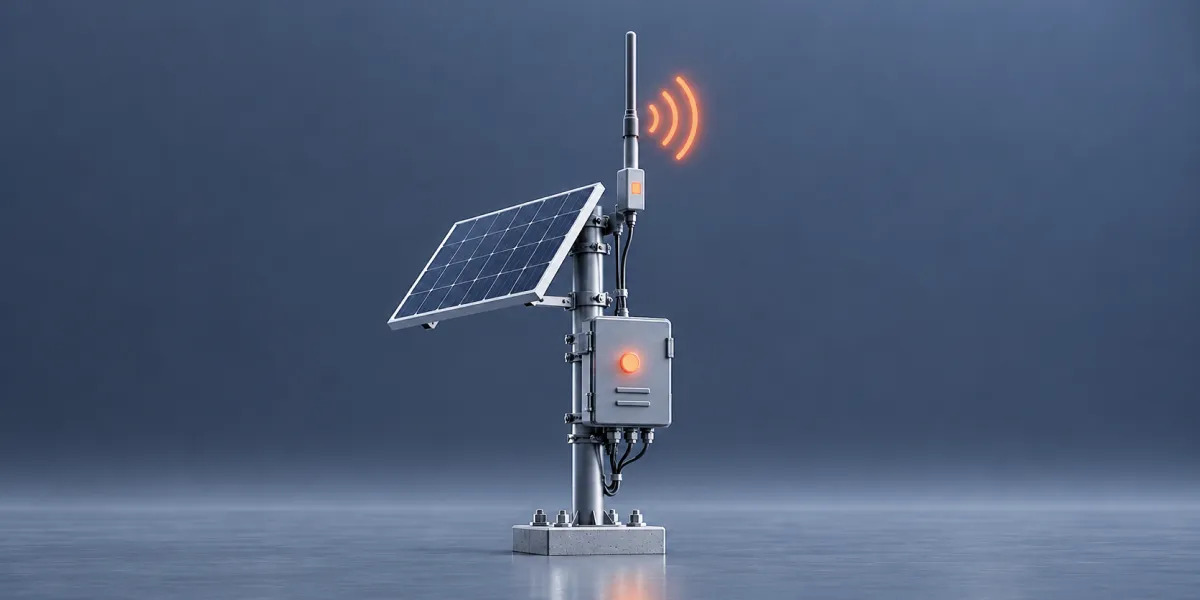
Local buffering and edge analytics over LTE, NB-IoT, LoRaWAN, or satellite, whichever the site actually has.
IIoT security and IEC 62443
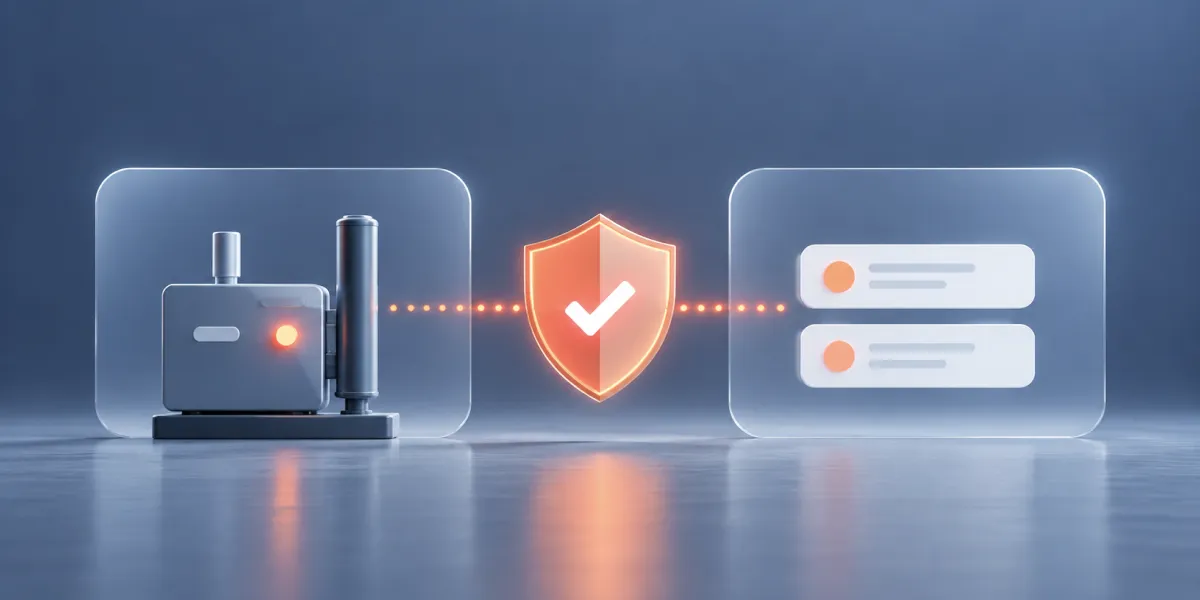
Industrial cybersecurity by design: certificate-based device identity and network segmentation, with signed updates for anything sitting at an unmanned site.
Need a device that does not exist yet?
Tell us what you need to measure and where it has to survive. Our R&D lab in Warsaw designs the electronics and writes the firmware, and we will come back with what a working prototype would take.
IoT use cases in the oil and gas industry
Grouped by where they sit in the value chain, these are the deployments operators ask us to scope most often, and any one of them is a reasonable place to start.
Wellhead and separator monitoring
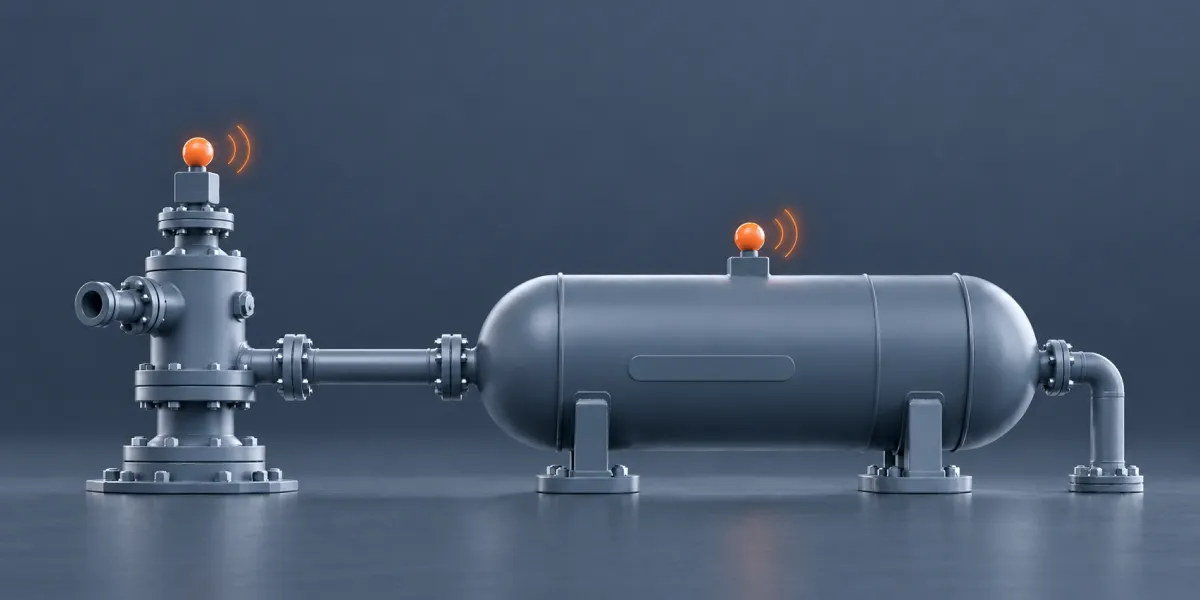
Continuous readings from unmanned sites, with alerts routed to whichever crew is closest.
ESP and rod pump optimization
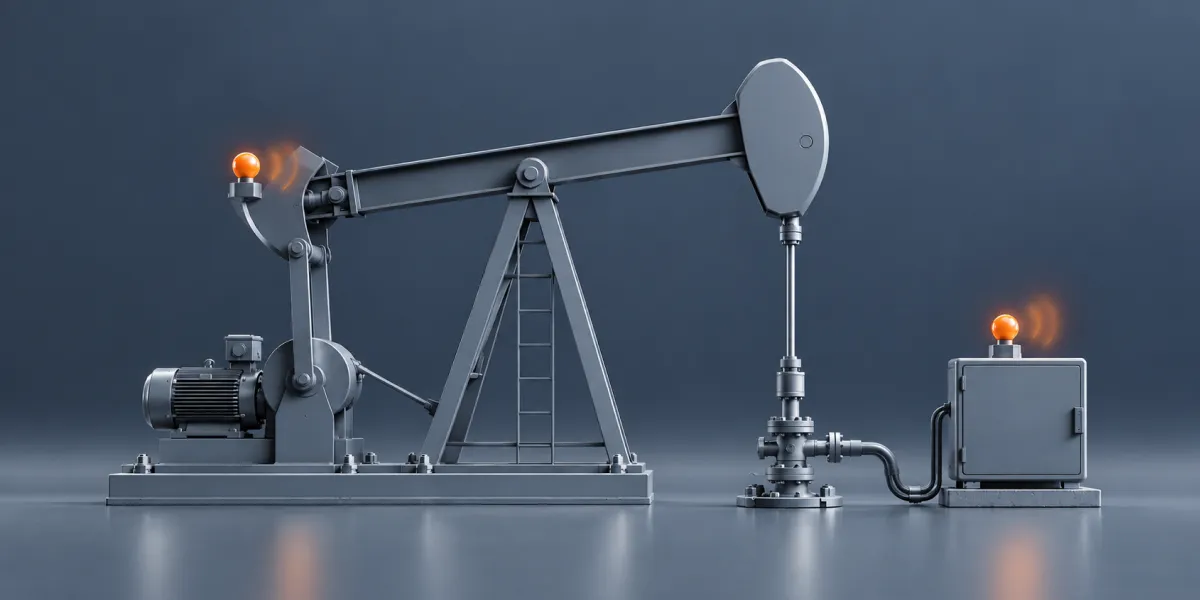
Motor load and vibration analysis that flags a failing pump early and helps optimize setpoints.
Remote site surveillance
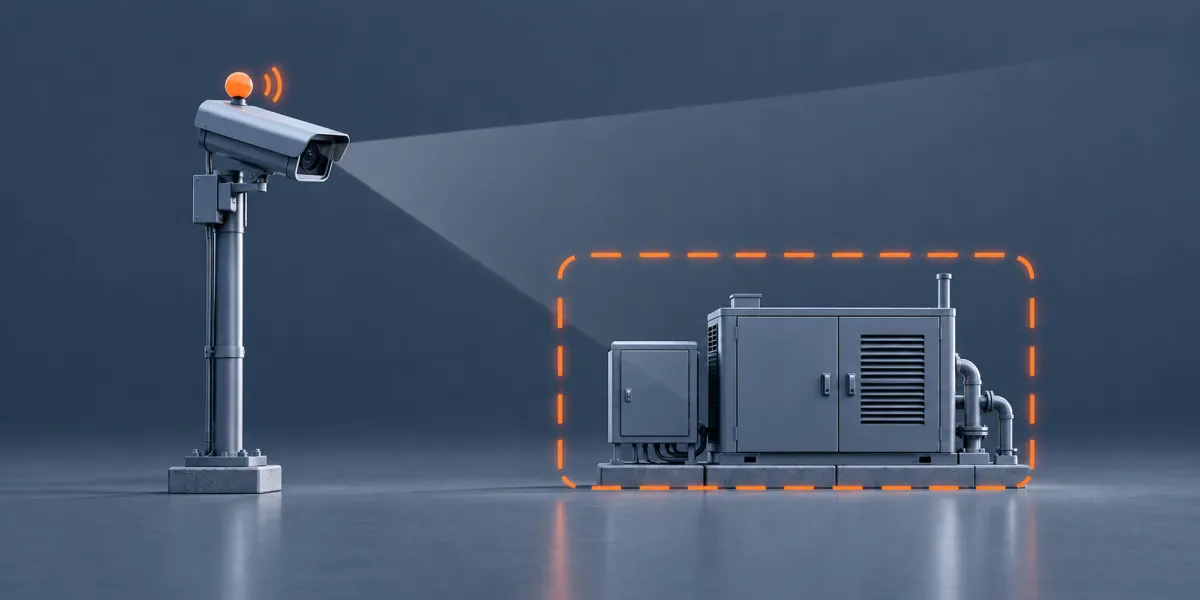
Camera feeds with computer vision for intrusion alerts and visual checks between visits.
Pipeline integrity and leak detection
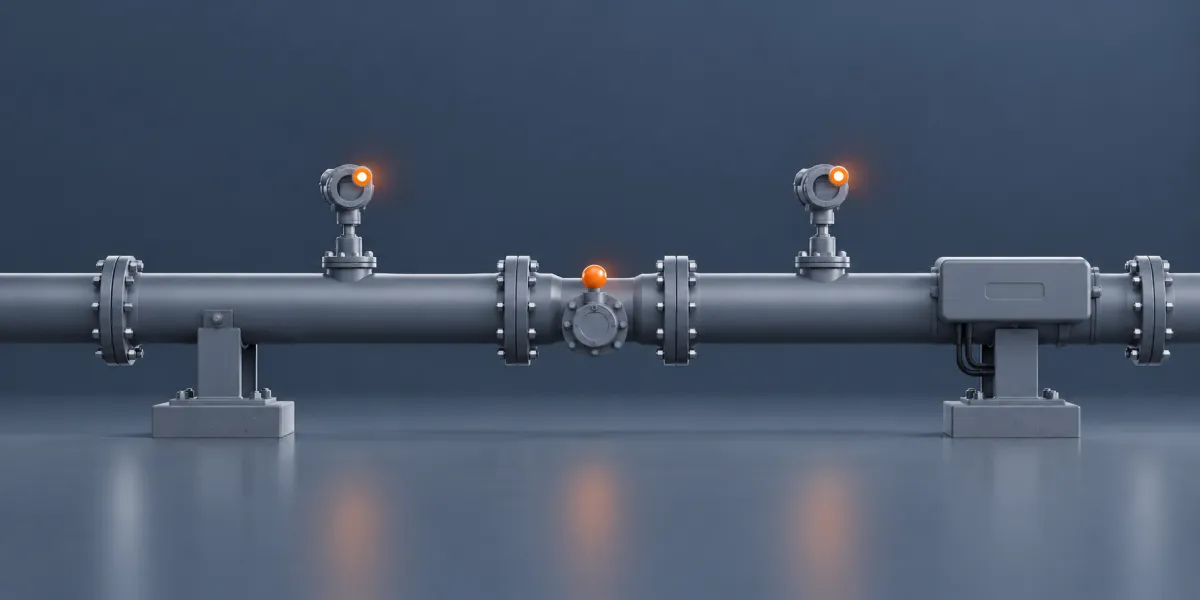
Flow balance and pressure gradient analysis across segments, tuned to keep false alarms low.
Tank level telemetry and custody transfer
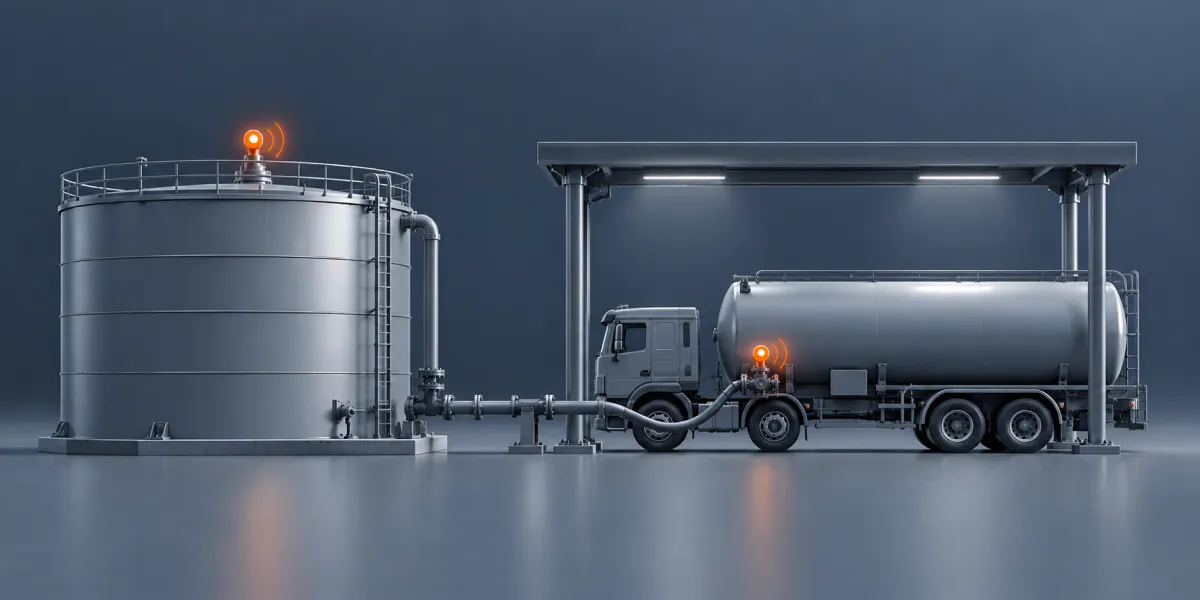
Automated inventory figures with an audit trail back to the gauge that produced them.
Compressor station monitoring
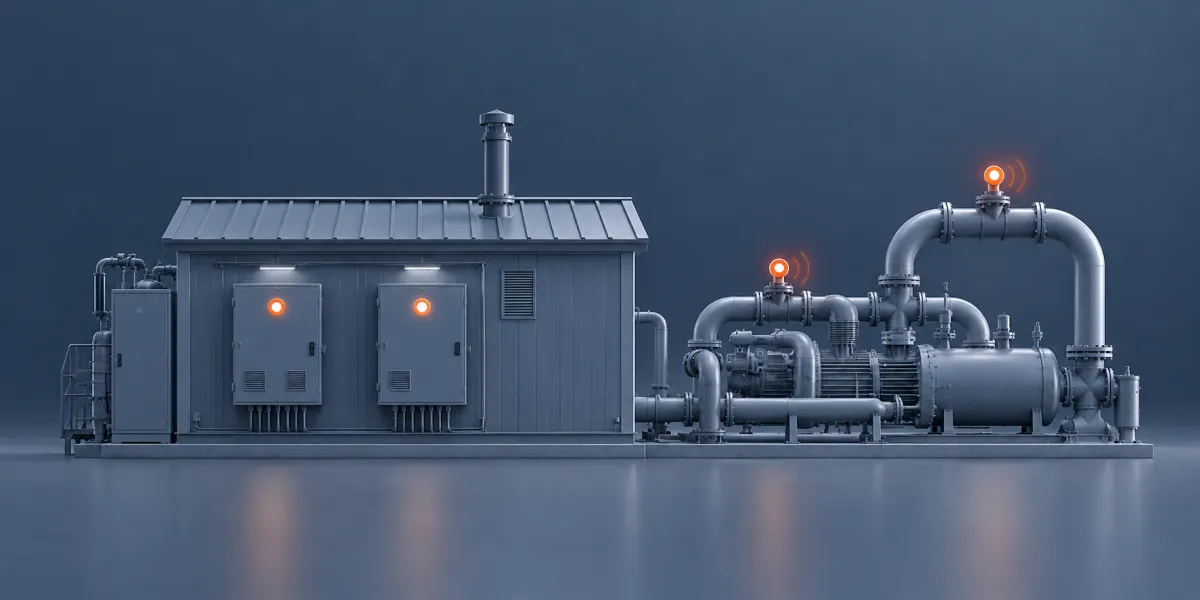
Condition data that builds the maintenance schedule around real wear rather than the calendar.
Flare and emissions monitoring
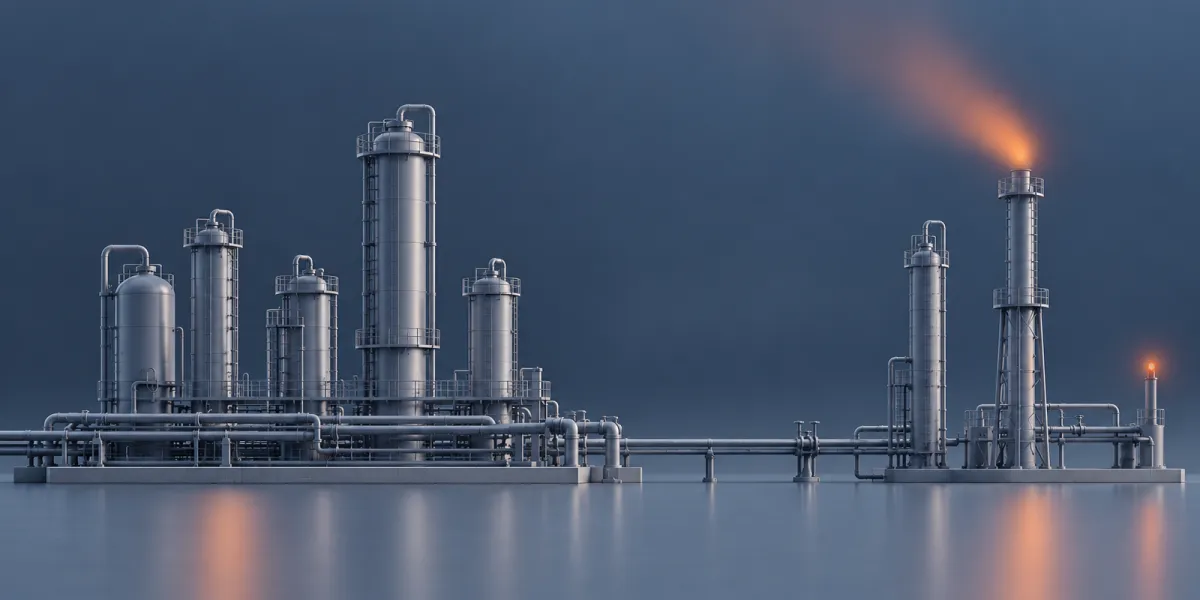
Emissions data from refinery flares collected on a defensible schedule and turned into reports without manual assembly.
Predictive maintenance on rotating equipment
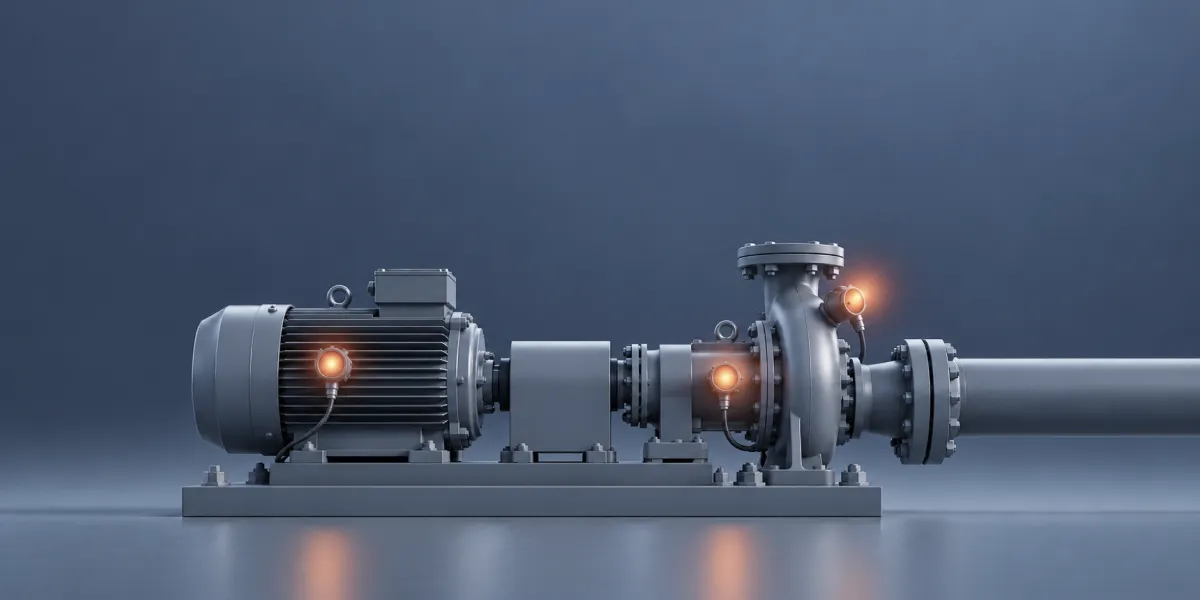
Vibration and thermal models that give planners a window to act, which is how teams reduce downtime on equipment that cannot stop.
Terminal and logistics visibility
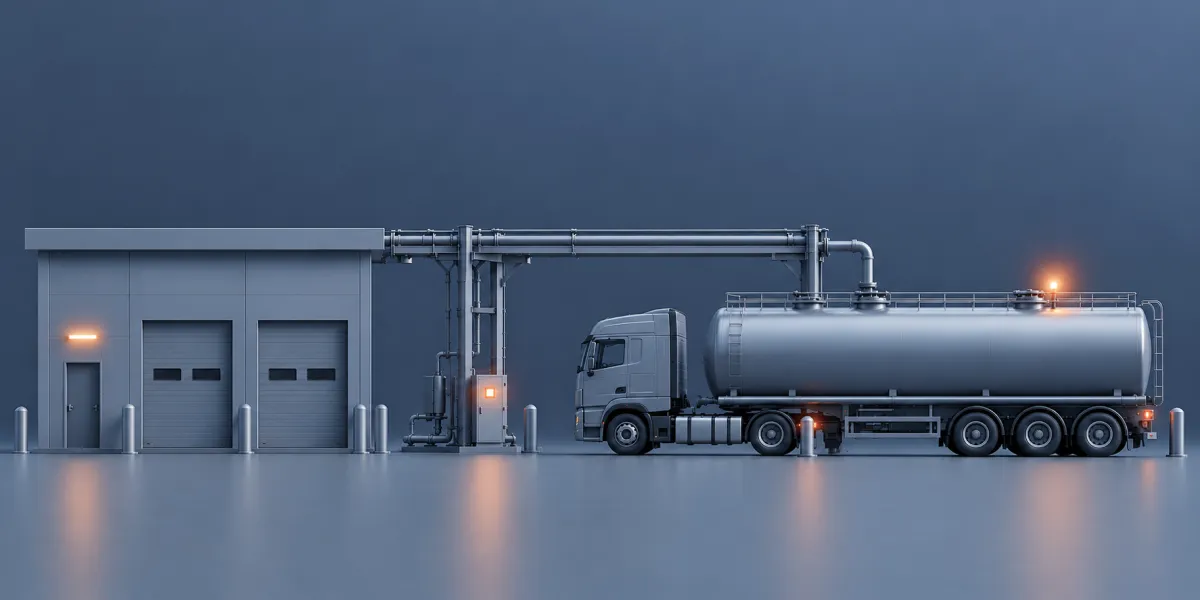
Movement and condition tracking for product leaving the terminal, on the same platform as plant data.
Our delivery process
Most field programs that go wrong skipped the assessment, so ours front-loads the unglamorous part.

Assessment and consulting
We start with what is already on site: equipment, protocols, network topology, and the systems your teams use now. You get a written assessment with options and a realistic view of what each one costs. Our oil and gas IT consulting work is scoped so this stands on its own, and plenty of clients stop here for a quarter to think.

Architecture and solution design
Next comes the architecture: how data crosses the OT boundary, and what the platform above it looks like. Your engineering and security people review it with us before anything gets built.

Pilot on a small asset group
We deploy to one pad or one station first. A pilot that size answers the questions that matter: whether the connectivity holds, and whether the data coming back is good enough to act on.

Rollout across the fleet
Once the pilot proves itself, we scale with device provisioning and remote update tooling in place from the first batch. Retrofitting that onto a few hundred devices already in the field is a job nobody wants to do twice.

Support and evolution
After rollout we stay on for support and monitoring, plus the steady stream of changes that real use always produces. Most of our client relationships run past the four-year mark.
Select Your Plan
Ways to work with us
Pick whichever matches where you are now. Teams often move between them as the program grows.
Full project delivery
We take the program from assessment through rollout and support, with a project lead who owns the timeline. This suits teams who want one accountable partner for the hardware and firmware as well as the platform above them.
→ New solution, built from the ground up
Technical assessment and consulting
Fixed-scope consulting services that review your current setup, covering integration options and security posture, delivered as a written report with costed recommendations. Useful before a technology investment you cannot easily reverse.
→ Deciding what to do next
Team extension
Engineers who join your existing group and work inside your process and your sprint cadence. Useful when the domain knowledge is already in house and you need embedded or cloud capacity to move faster.
→ Scaling an existing program
Why choose Yalantis as an oil and gas software development company
Oil and gas sits right next to the industrial and energy work that fills most of our portfolio, so here is what that background brings to a field program.
One partner for hardware, firmware, and cloud
The question that stalls most IIoT projects is who owns the seam between the device and the platform. With us it is one team, so the engineer who designs the sensor board sits in the same review as the one who designs the ingestion pipeline.
Security your OT team will sign off on
We hold ISO 27001 and ISO 27701, and we engineer industrial systems to IEC 62443. Segmentation and device identity are decided in the first architecture session, and firmware updates are staged and reversible, because a failed update at an unmanned site means somebody in a truck. Your own security team reviews the architecture with us.
In-house R&D lab in Warsaw
Electronics design and prototyping happen in our own lab rather than through a subcontractor, with the firmware team sitting alongside. For sensor retrofit work that turns a board revision into a walk down the corridor.
Accelerators that shorten time to pilot
Our Solution Hub holds reusable components for device management and telemetry ingestion that we adapt rather than rebuild. On a typical monitoring pilot that saves weeks before anyone sees a live reading.
Certifications and standards
Operational Resilience & Ruggedization

ISO 9001
Quality management
ISO 27001
Information security
ISO 27701
Privacy management
ISO 13485
Medical device quality
IEC 62443
Industrial and OT security practice
Discuss an oil and gas software project
Tell us what is on your sites and what you are trying to see from them. Our engineers will walk you through the options, including the ones where you do not need us.
Technologies we work with
OPC UA

MQTT

Modbus

CAN
BACnet
LoRaWAN

NB-IoT
Rust
C
C++
Rust

Zephyr
FreeRTOS

Yocto Linux

ARM

Cortex
AWS IoT Core

Azure IoT Hub
Kubernetes

Kafka
TimescaleDB

InfluxDB

Snowflake
Python

PyTorch

Apache Spark

Grafana

React

Flutter
Testimonials from our clients




Related insights
Articles
IIoT Data Management and Analytics for Manufacturers
Large manufacturers are gradually jumping to a data-driven operational strategy and utilizing IIoT devices. See how the industry wins by adopting industrial IoT data management.
Articles
How to Build Industrial IoT Software: Full Guide
This guide covers what IIoT means, how it differs from consumer IoT, where it already works, and how industrial IoT software development works in practice.
Articles
The Complete Guide to IoT Predictive Maintenance
Discover how IoT predictive maintenance can enhance equipment performance and reduce downtime. Read the essential guide to optimize your operations now.
Related services
Industrial IoT solutions
Hardware development
Digital transformation
IT services for manufacturing
IoT development services
Predictive maintenance services
Legacy modernization
IoT for logistics and supply chain
Embedded software development
Digital twin development
Manufacturing software development
Computer vision development
FAQ
-
What are the best software solutions for the oil and gas industry?
Oil and gas software solutions cover remote asset monitoring, predictive maintenance, production data platforms, and the compliance reporting built on top of them. Which ones are best for you really depends on how your assets are instrumented today.
For most operators we talk to, monitoring comes first because it pays for itself fastest, and the reporting layer follows once the data is trustworthy.
-
Should we license a platform or build something custom?
Most of our clients end up with both, so it is rarely a clean either-or. A licensed platform covers the cases its vendor planned for and does that well, particularly when your assets are common and the connectors you need already exist.
The gaps show up at the edges: equipment the platform does not speak to, and reports still assembled by hand every month. That is usually where custom oil and gas software development earns its cost.The trade is worth knowing in advance. A platform gets you a result quickly as long as you stay inside the use cases it shipped with, while custom work takes longer to the first release and moves faster for everything after it. On cost, a license grows with assets and users, and a custom build asks for more upfront with no per-asset fee as the fleet grows. You also keep the data model in your own cloud account instead of waiting on a vendor roadmap to change it.
If you are weighing the two, our assessment is built for exactly this question, and we will say so plainly when a platform on its own would do.
-
What is the role of IoT in the oil and gas industry?
IoT in oil and gas replaces periodic manual checks with continuous data from the equipment itself. Sensors on wellheads, pumps, tanks, and pipelines report condition in near real time, so you can run unmanned sites safely and send crews where the data says they are needed.
The payoff usually shows up in four places: fewer people in hazardous locations, earlier warning before equipment fails, traceable data for emissions and safety reporting, and a live picture of an asset base spread across a wide area.
Worth knowing: most of the engineering effort sits in the middle of that picture, in the gateway layer and the security boundary around it, because the equipment was usually installed long before anyone planned for telemetry.
-
Can you design custom sensors and field devices, or only software?
We design the devices too. Our R&D lab in Warsaw handles schematic and PCB design, enclosures for outdoor and high-vibration conditions, and firmware in C, C++, or Rust, with prototypes assembled and bench tested in house before anything goes to a site. When the design settles, you get a production package for your own manufacturer.
People usually come to us for this when no commercial sensor covers the measurement, or when an off-the-shelf unit costs more per wellhead than the program can carry. One point worth stating plainly: for classified areas we design toward ATEX and IECEx requirements and prepare the documentation, while the certificate itself is issued by an accredited body. We have been through that process, including a compressor monitoring device of ours that passed ATEX Zone 2 assessment alongside several regional approvals.
-
Do you build process simulation or digital twin software?
Yes, and it comes up more often than you might think. Engineering firms usually own the process models already and need the software around them, so we take on solver performance and the interface their engineers work in every day.
On the operator side that turns into training simulators for the failure cases nobody wants to rehearse on live equipment, and digital twins for plants and pipelines fed by the same telemetry as operations. If you sell your expertise as a product, we also package internal calculation tools into software you can license. There is more detail on our digital twin development services page.
-
Can you integrate with our existing SCADA and historian systems?
Yes, and it is one of the things we do most often, so you are on familiar ground here. We read from SCADA systems and historians through OPC UA, MQTT, and Modbus, and we can work through a one-way data diode if your control network policy requires it.
The first step is always a tag inventory and a conversation with whoever owns that network, since their comfort level shapes the whole architecture.
-
Have you worked with oil and gas operators before?
Not with an upstream operator yet, and we would rather tell you that now than halfway through a procurement. Our delivered work sits in industrial manufacturing, energy equipment, and logistics.
The problems look almost identical there: multi-vendor equipment on poor connectivity, and OT data that has to reach the cloud safely. We are glad to walk you through those projects in detail so you can judge how well they transfer.
-
How much does oil and gas software development cost?
It comes down to how many equipment types and protocols we have to support, and whether you are buying devices off the shelf or having them engineered. Integration depth with your existing systems sets the rest.
A monitoring pilot on one pad is a far smaller commitment than a fleet-wide platform, so the assessment exists to give you a costed answer for your own setup before you commit to anything.
Let’s set up a call
Email us, give us a call, or pick a convenient time to talk.
Prefer to start with a message? Tell us about your project, and we’ll get back to you.

Thank you for contacting us.
Keep an eye on your inbox. We’ll be in touch shortly
Meanwhile, you can explore our hottest case studies and read
client feedback on Clutch.