



Yalantis builds custom logistics and supply-chain software, from transportation and warehouse management to fleet telematics and real-time visibility. We also build the IoT and hardware it runs on, so your data stays clean and consistent all the way from the sensor to the dashboard.
Logistics Software Development Services
17+
Years in software
and hardware engineering
400+
Engineers across software,
data, embedded, and QA
NPS 91
Client satisfaction
score
4+
Years average
client relationship
Operational problems custom software removes
These are the recurring issues we hear from logistics operations and technology leaders, and what purpose-built software does about each one.

Data trapped in silos
Carrier feeds, EDI messages, spreadsheets, and telematics live in separate tools. We unify that logistics data into a single source that operations and finance both work from.
Manual, error-prone handoffs
Rekeying orders and status updates costs hours and creates mistakes. Logistics automation removes the repetitive steps and enforces your business rules.
No live view of shipments
Customers call to ask where their freight is. Real-time tracking with predictive ETAs answers that question before anyone picks up the phone.
Compliance handled after the fact
Paper logs and passive records make audits painful. Automated monitoring produces continuous, audit-ready evidence for regulated cargo.
Logistics software solutions we develop
We develop the core systems your logistics operation runs on. Each one is custom-built around your logistics workflows and connects cleanly to the hardware behind it.
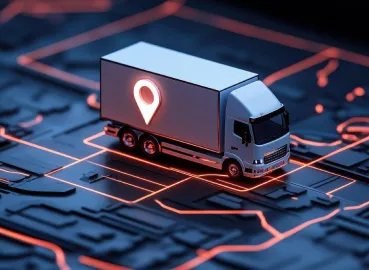
Transportation management systems (TMS)
Our transportation management software plans and settles every load you move, across every mode. It fits the way your team already selects carriers and builds loads, so people pick it up quickly.
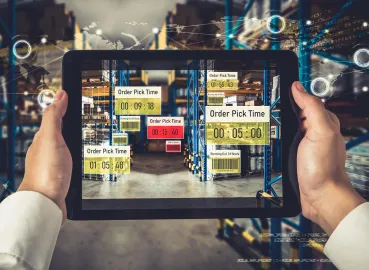
Warehouse management systems (WMS)
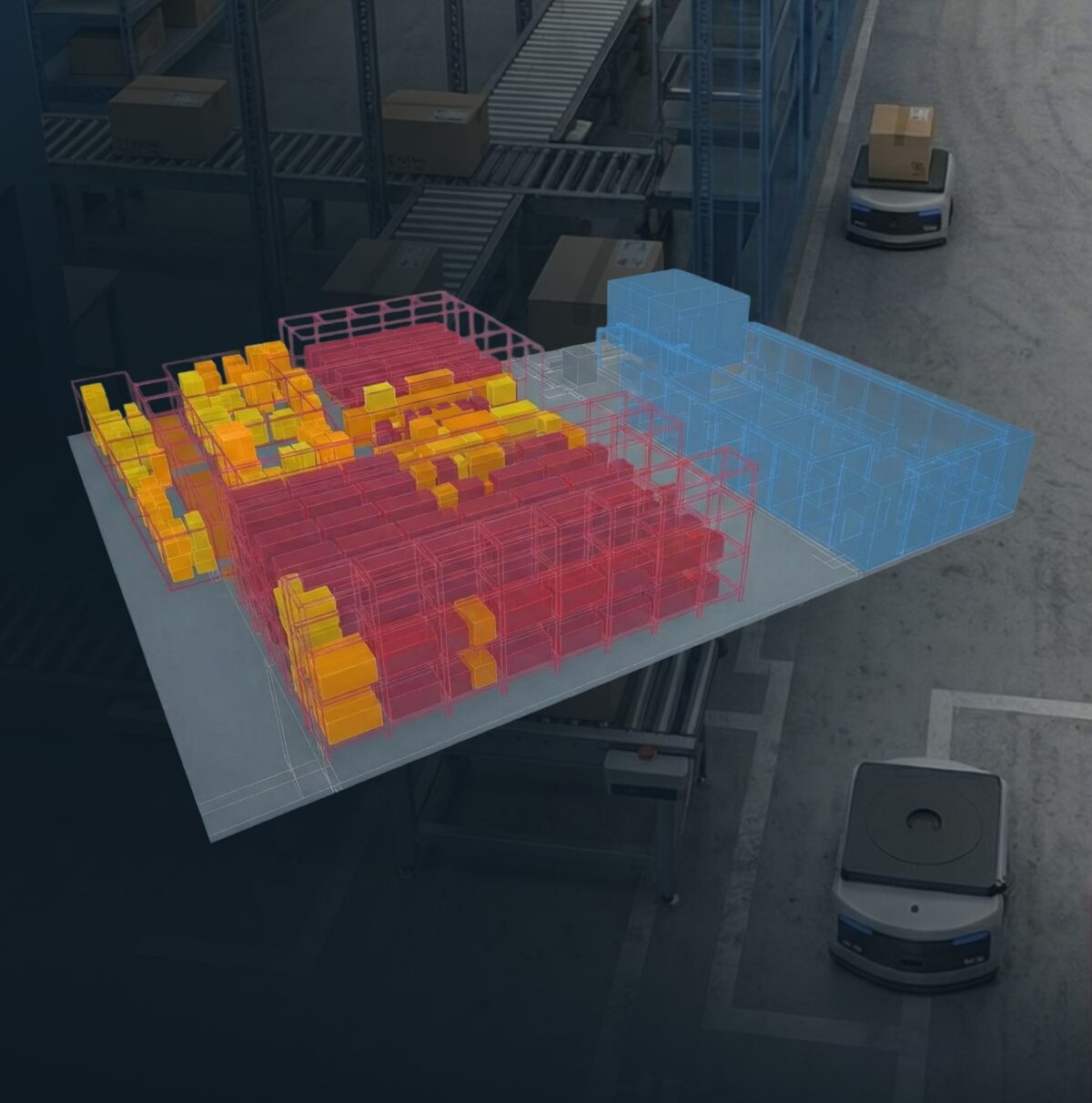
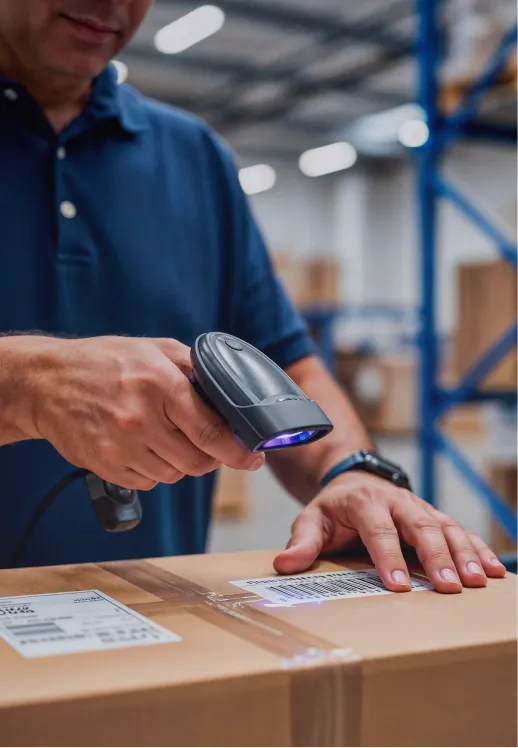
Keep inventory accurate in real time, from the receiving dock to the outbound truck. It runs your barcode and RFID workflows and plugs into the floor automation and robotics you already use.

Fleet management and telematics
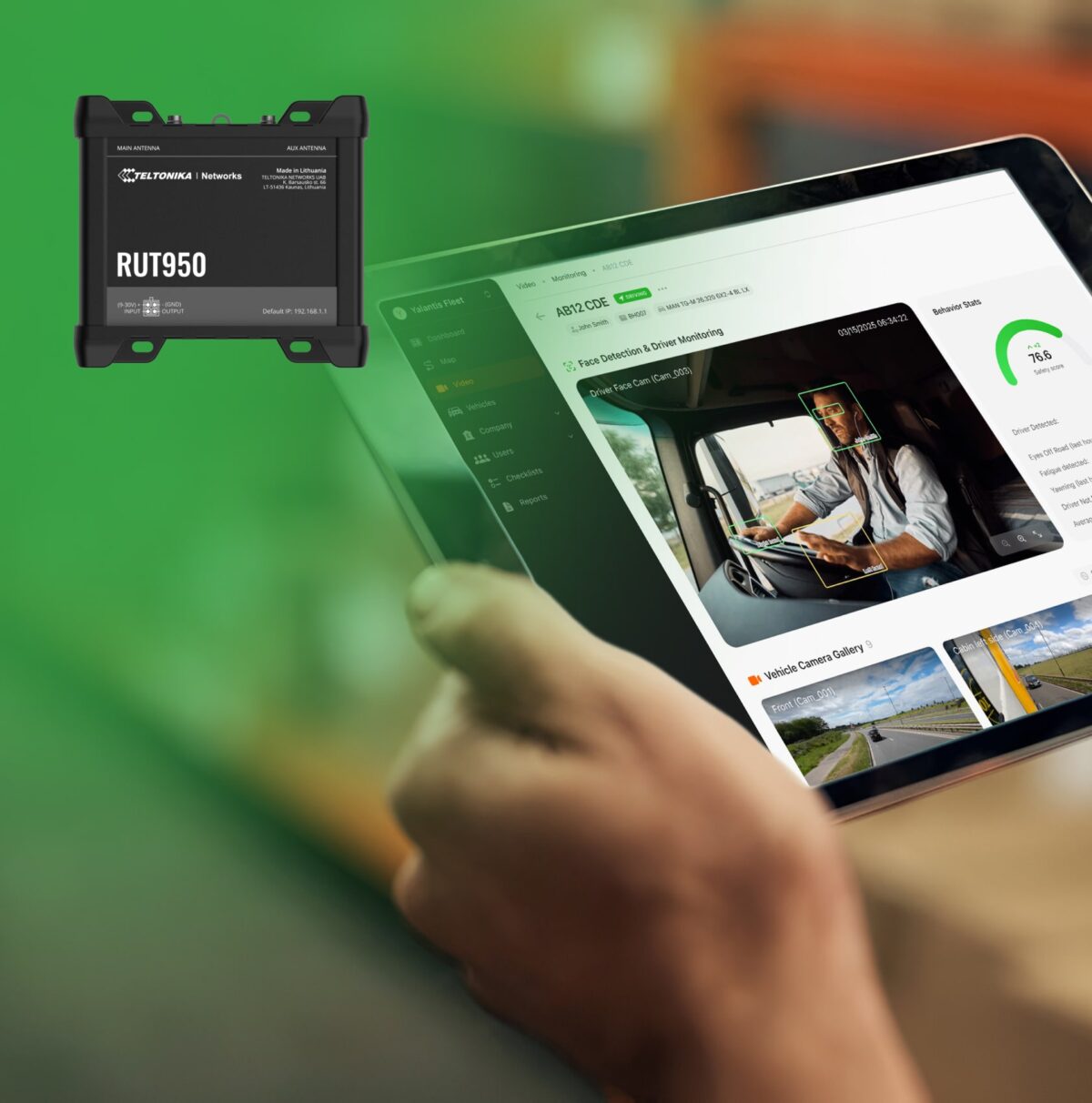
Our fleet management software shows where every vehicle is and how it is performing, in one live view. Because we build the telematics hardware too, that data reaches you clean from a single source.
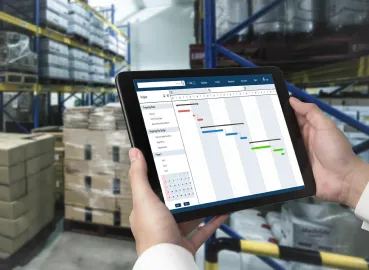
Supply-chain visibility platforms
Pull all of your shipment data onto one live map, from carrier feeds to sensor readings. Predictive ETAs and exception alerts keep your team ahead of delays, and the same live data powers a tracking portal customers can check themselves.

Last-mile delivery and route optimization
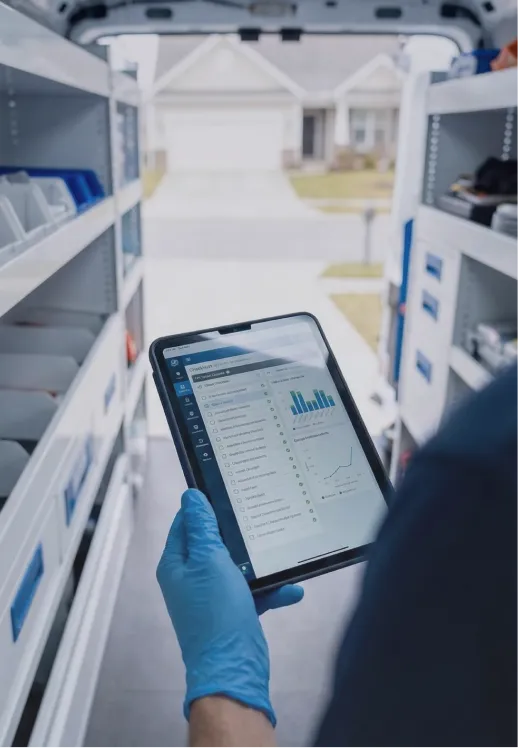
Cut empty miles and tighten delivery windows across dense urban and regional routes. Drivers get clear routing and mobile proof-of-delivery, while customers watch their order arrive in real time.

Cold-chain monitoring
Track temperature and humidity from origin to receipt, with an automatic alert the moment a reading drifts out of range. Paired with our own cold-chain sensors, it gives your compliance team continuous, audit-ready proof for FDA and GxP.

Yard management systems (YMS)
Coordinate every trailer move and dock appointment from one shared view of the yard. Your yard teams and dock planners see each asset in real time, so detention and dwell come down.

Freight and 3PL portals
Give your customers and carriers a branded portal to book and track their own shipments. It connects to your core systems and cuts the inbound calls and emails your team fields every day.
Explore our cases
Custom logistics software or off-the-shelf
Most logistics teams weigh a packaged product against custom software development for logistics. The right answer depends on how much of your advantage lives in your operating model.
Off-the-shelf logistics software
Packaged products with standard modules
- Fastest to deploy for standard, generic workflows
- Lower upfront cost with recurring per-seat licensing
- Your team adapts its process to fit the tool
- Limited control over the roadmap and integrations
- Licensing grows expensive as volume and headcount scale
Custom logistics software
RECOMMENDED FOR ENTERPRISE OPERATIONS
Built around your operation by Yalantis
- Models your exact workflows and business rules
- You own the development roadmap and the data, with full control of integrations
- Scales with volume without per-seat penalties
- Compliance for your regulated cargo built in from day one
- Extends into IoT and hardware when your product needs it
Compliance and certifications we cover
Security and compliance are foundational to logistics software. Yalantis operates an information security management system certified to ISO 27001 and ISO 27701, and we engineer to the regulatory frameworks your cargo and data fall under.

ISO 27001
Information security management system
ISO 9001
Quality management system

FDA 21 CFR Part 11
Electronic records and signatures

GxP cold chain
Good practice for temperature-controlled pharma

EU GDPR
Data privacy and consent handling
SOC 2 readiness
Security and availability controls
C-TPAT data handling
Supply chain security data handling

Integrations that keep your data flowing
We build and maintain the integrations that connect your logistics platform to your carriers and partners, down to the devices in the field.
ERP and finance
SAP, Oracle NetSuite, Microsoft Dynamics, QuickBooks
EDI and messaging
ANSI X12, EDIFACT, AS2, REST / webhooks
Carrier and rating APIs
FedEx, UPS, DHL, LTL and parcel carriers
Telematics and ELD
Geotab, Samsara, OEM telematics, Yalantis devices
IoT and sensors
Temperature, Location, Weight, Door and RFID
Marketplaces and ecosystems
Load boards, 3PL platforms, E-commerce channels, WMS and TMS ecosystems
Logistics segments we serve
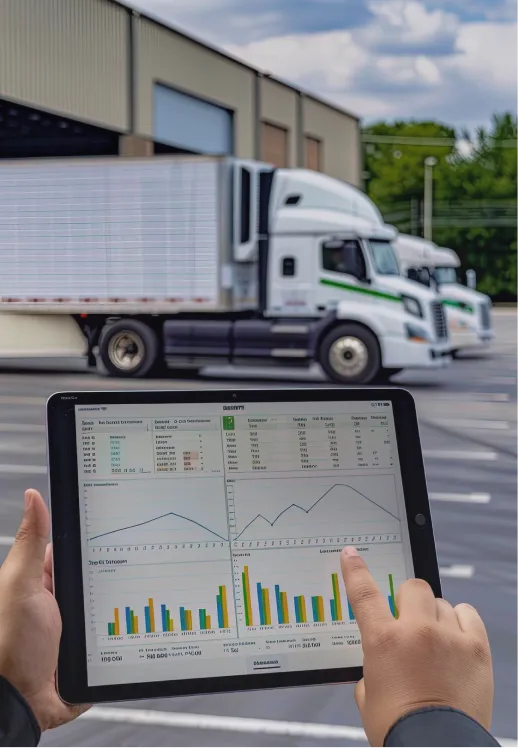
We position software and hardware around the metrics your part of the logistics industry is measured on.


Our logistics software development process
A milestone-driven flow with compliance checkpoints built in, from the first discovery workshop through long-term support.

Discovery
We start by mapping your operations and compliance needs, then agree on scope and success metrics before a line of code is written.

Architecture
Once the goals are set, we design the data model and security architecture for the volumes your carrier and shipment network will hit.

Build
From there, cross-functional teams build in short iterations, with a working demo you can react to at every milestone.

Integration
As features come together, we connect the platform to your ERP, carriers, telematics, and sensors, then check the data end to end.

Deployment
When the system is ready, we roll it out by site or region with training and data migration, backed by hypercare so operations keep running.

Support
After launch, our maintenance services keep the platform running and improving under an SLA, adding new capabilities as your network grows
Why logistics leaders choose Yalantis
We are the logistics software development company that owns the full stack, from the sensor on the trailer to the dashboard on the operations screen.
Full-cycle, hardware to cloud
One partner for your software and the hardware it runs on, so both evolve together and your data stays consistent from device to dashboard.
Security and compliance by default
Certified to ISO 27001 and ISO 27701, with logistics-grade data protection engineered into every layer of the platform.
Enterprise delivery, proven retention
Clients stay with us for four years and more, reflected in an NPS of 91 across long-running engagements.
Named enterprise clients
We deliver for large operators, including Toyota Tsusho, across logistics and supply-chain programs.
Deep logistics domain expertise
A dedicated logistics practice with case studies across fleet telematics and cold chain, and a blog library that signals topical authority.
Teams you can scale
A dedicated development team of four hundred plus engineers, including embedded, cloud, data, and QA specialists you can ramp up as demand grows.
Need a logistics software development partner that owns the hardware too?
Tap into our full-cycle team to build your supply chain software and the IoT layer behind it, from the sensor to the dashboard.
Technologies we work with
Java

.NET

Node.js

Go

Python

ReactReact
Angular

TypeScript

Kotlin
Swift
AWS

Azure

Google Cloud
Kubernetes

Apache Kafka

Terraform

Spark

Snowflake

PostgreSQL

ClickHouse

MQTT

С
С++

Embedded Linux

Edge gateways
REST

GraphQL

EDI X12 / EDIFACT

AS2
Testimonials from our clients








Logistics software insights

Articles
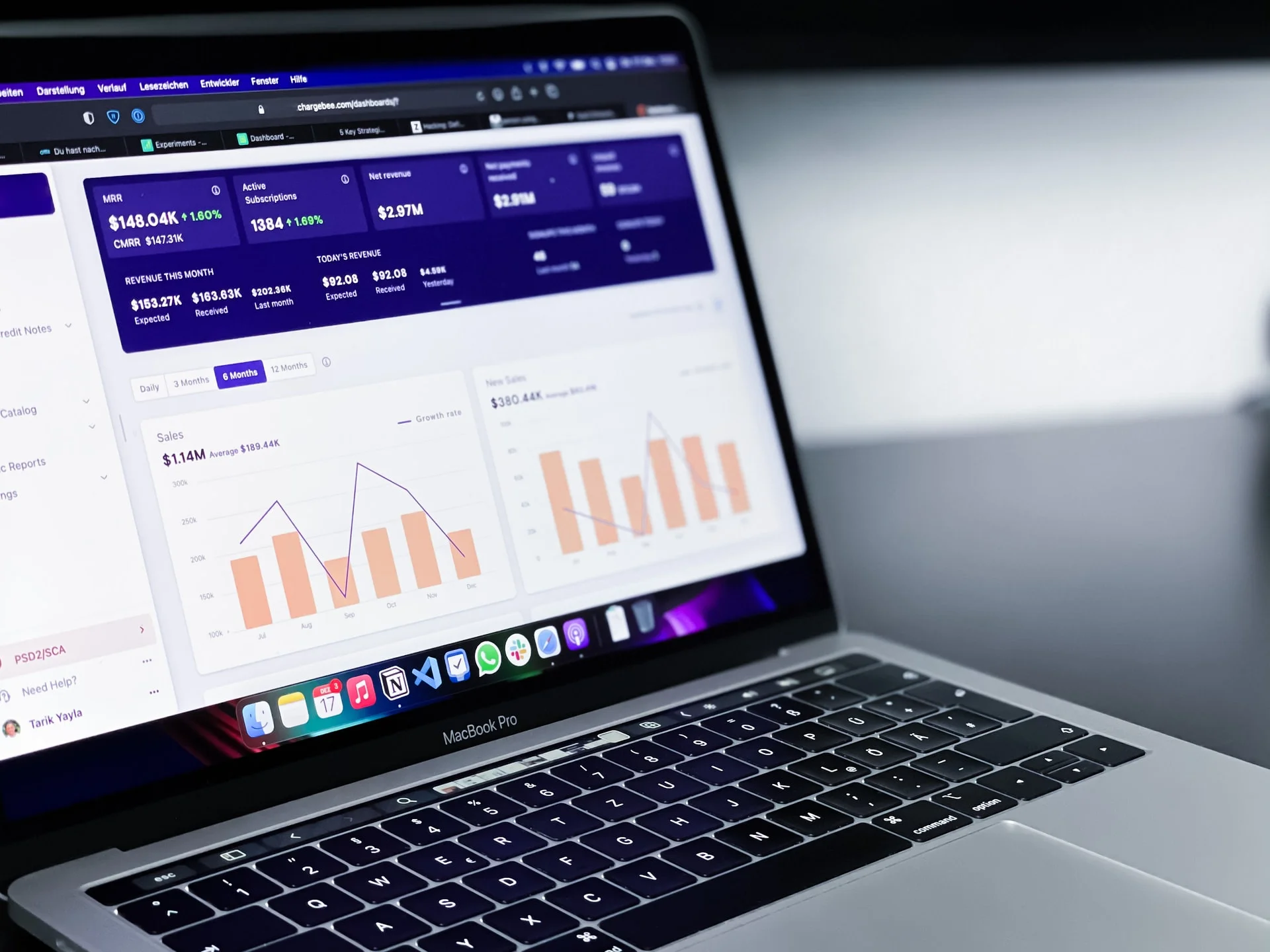
How to Build a Real-Time Fleet Tracking System from Scratch?
Explore how to build a real-time fleet tracking system with Yalantis, from GPS integration to IoT-based architecture.
Articles
A practical guide to building supply chain dashboards
Learn about different supply chain analytics dashboards and supply chain visibility tools that can help you resolve issues that stop your company from growing.
Articles
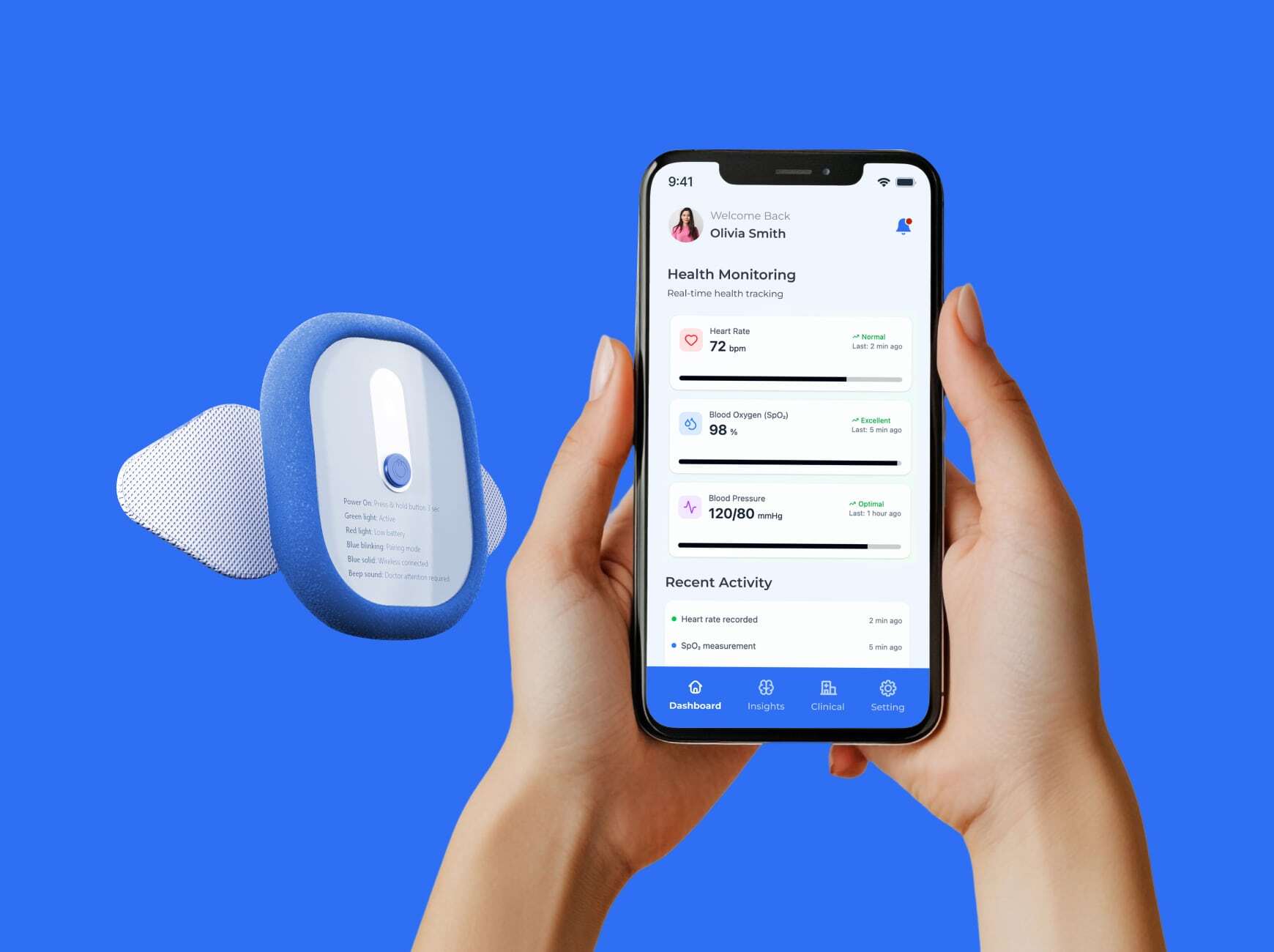
How to Integrate AI/ML in Medical Devices and Systems and Win in Regulated Markets
Learn what you need to prepare, test, document, and deliver when integrating AI/ML into regulated medical devices, with a free compliance guide to help you get it right.
Talk to our logistics software experts
Whether you need a custom TMS or a full supply-chain visibility platform, our logistics software development services team is ready to scope your development project and map the hardware behind it.
Related services and industries
FAQ
-
What exactly is logistics software development?
Logistics software development is the work of building the software that runs the movement of your goods, from the moment an order comes in to the moment it reaches the customer. That might be the system that dispatches your shipments, the one that manages inventory in the warehouse, the telematics that track your trucks, or the dashboard that shows your team where everything is right now. Off-the-shelf tools rarely match how a specific carrier or 3PL really works, so we focus on custom software development for logistics, built around your real operation. In practice that means a lower cost per shipment and far fewer manual handoffs, with delivery dates your customers can count on.
-
What types of logistics software can you develop?
We build pretty much the full range of logistics software, including transportation management systems, warehouse management systems, fleet and telematics platforms, supply-chain visibility tools, last-mile and route optimization, cold-chain monitoring, yard management, and freight and 3PL portals. Whatever you need, it is custom-built around your workflows and wired into the systems you already run, and we can extend it with the sensors and hardware it relies on.
-
What is the advantage of Yalantis building the IoT and hardware in-house?
The advantage is that one team builds both the hardware and the software, so your data comes through clean from the start and your device and platform stay on the same release schedule. Most logistics software vendors stop at the cloud and leave you to source telematics units, sensors, gateways, and loggers somewhere else, then hope it all talks to each other. We build that physical layer ourselves, inside the same company that writes your platform. For temperature-controlled cargo or connected fleets, that tight fit is often the difference between a system that only reports and one your team can rely on.
-
Custom logistics software or off-the-shelf: which should we choose?
For most mid-market and enterprise carriers and 3PLs, custom logistics software is the better long-term choice, because it costs less to own at scale and spares your team the daily workarounds packaged tools force on them. It really comes down to how much of your edge lives in the way you operate. If your workflows are fairly standard, an off-the-shelf product will get you running quickly, and that is a perfectly reasonable choice. Custom development starts to pay off when your routing logic or compliance needs go beyond what packaged tools assume, or when per-seat licensing gets painful as you grow.
-
What is a TMS, and how is it different from a WMS?
A transportation management system, or TMS, plans and runs the movement of freight between locations, so it covers carrier selection, rating, load building, and freight settlement. A warehouse management system, or WMS, runs what happens inside the four walls: receiving, putaway, inventory, picking, and shipping. The short version is that a TMS moves goods between sites while a WMS controls them within a site. Most operations run both, and the real value shows up when the two are tightly connected, which is a big part of what we do.
-
Can you integrate with our existing ERP and carrier APIs, as well as telematics or ELD systems?
Yes, we integrate with all of those, and it is usually one of the first things we set up. On the business side we connect to ERP and finance systems like SAP, Oracle NetSuite, Microsoft Dynamics, and QuickBooks. For shipping we tie into carrier and parcel APIs from FedEx, UPS, DHL, and regional LTL carriers, plus EDI over X12, EDIFACT, AS2, and modern APIs. On the vehicle side we work with telematics providers such as Geotab and Samsara, and with ELD systems and OEM devices, including our own. Sensor feeds for temperature, location, weight, and door status all land in the same platform.
-
How do you ensure security and compliance in logistics software?
We build security and compliance into the platform from the very first sprint, backed by our ISO 27001 and ISO 27701 certifications. That means every deployment ships with encryption in transit and at rest, plus role-based access and continuous monitoring. For regulated cargo we engineer to the frameworks your goods fall under, like FDA 21 CFR Part 11 for electronic records and GxP for cold-chain pharma, and we align data handling with GDPR. You get the compliance documentation and audit trails built into the platform from day one.
How to get started with Yalantis
Leave your info and a few words about the project. We’ll review it and reach out to book a call.
Welcome to Yalantis, please fill out the form and we’ll get back to you.

Thank you for contacting us.
Keep an eye on your inbox. We’ll be in touch shortly
Meanwhile, you can explore our hottest case studies and read
client feedback on Clutch.